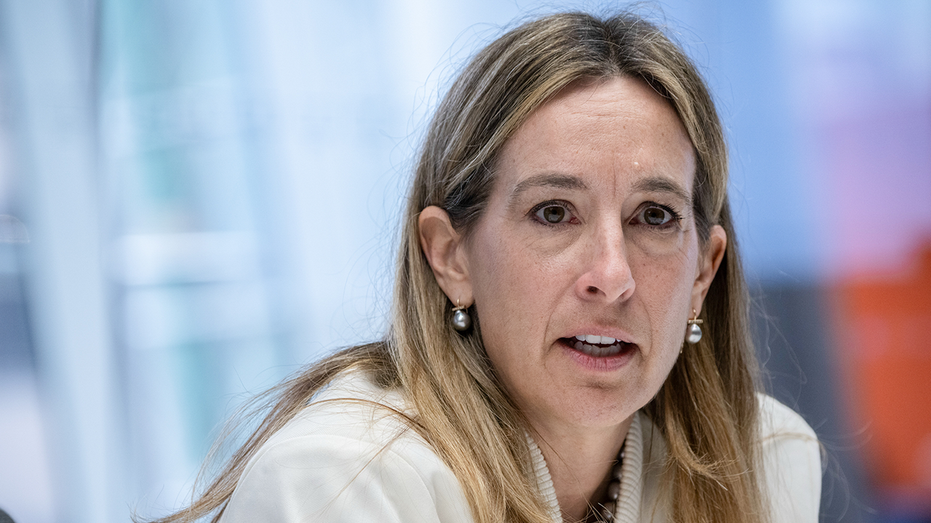
Keiko Fujimori takes office as Peru’s new president and begins a term after a gap of more than 25 years since her father, former President Alberto Fujimori, left power. Both outlets say she is associated with “Fujimorism,” described as a blend of neoliberal and populist policies alongside strict governance measures, which characterized the 1990–2000 administration of Alberto Fujimori. At the start of her presidency, Fujimori faces a politically polarized environment and lays out priorities focused on public security and economic recovery, as well as improvements in health and education.
Beyond domestic issues, coverage emphasizes the strategic setting Fujimori inherits. Peru’s growing importance to major powers comes as the United States and China compete for influence, requiring the new government to balance relations with both. Deutsche Welle highlights that she must find room for Peru’s policy choices amid the Washington–Beijing rivalry, while the Inquirer notes that Fujimori’s assumption of office occurs during a period of heightened strategic significance for the country.