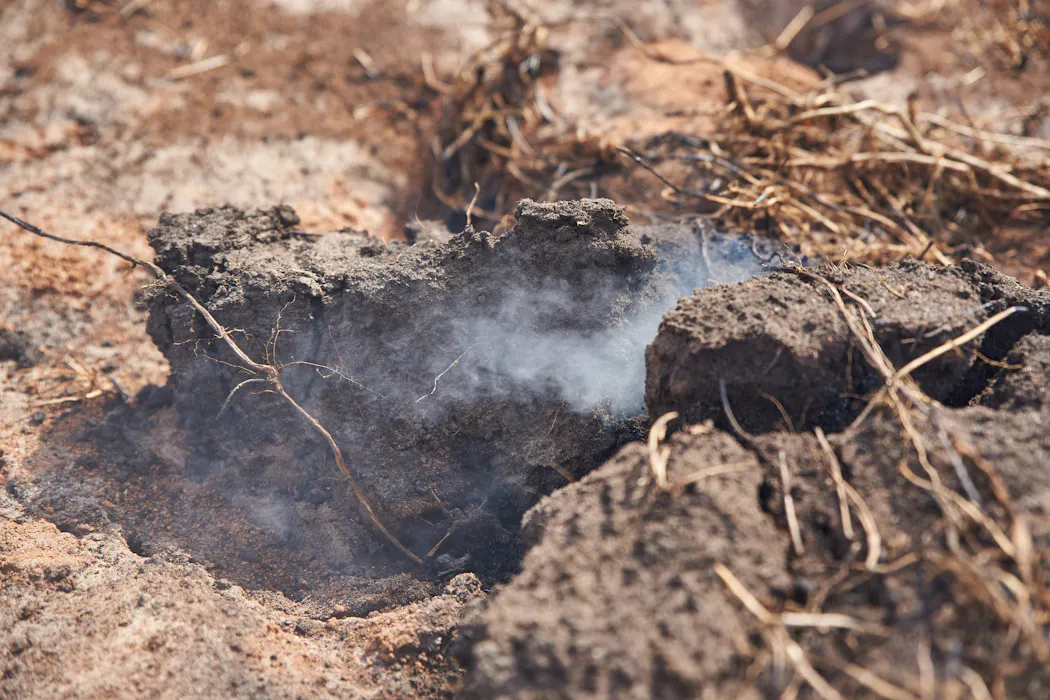
Peatlands are wetlands that form over thousands of years as partially decomposed plant material accumulates in waterlogged, low-oxygen conditions, creating peat—a dark, soil-like substance. Multiple sources describe peatlands as ecologically important habitats, including wildlife hotspots, and as major carbon stores that help store carbon in the landscape.
The reports also address the role of fire in peatlands. While fire is generally described as a force that can destroy peatlands—especially by damaging the wetland environment and potentially affecting the peat itself—one article notes that, in Australia, fire can also serve a protective function under some conditions. The implication is that fire effects are not uniform: depending on local ecology and management context, burning may change peatland vegetation or influence the peatland’s resilience rather than only causing degradation.
Taken together, the sources emphasize that peatlands are valuable for biodiversity and climate-related carbon storage, and that understanding how fire interacts with peatland ecosystems is central to protecting these wetlands.