


Multiple outlets report that telehealth is improving healthcare access for people in rural Zimbabwe by enabling virtual consultations. The coverage says remote patients use mobile and other digital connections to consult healthcare professionals without traveling long distances to clinics or hospitals. This reduces the time and cost associated with seeking care, which is described as a major barrier in underserved areas. The articles also highlight affordability, noting that virtual visits can lower overall expenses compared with in-person travel. While the reports focus on benefits such as convenience and faster access to medical advice, they frame telehealth as a way to help close the healthcare gap between rural communities and better-resourced health facilities. Overall, both sources present telehealth as a practical mechanism for extending medical support to populations that would otherwise face significant travel burdens to receive consultations.
Telehealth expands access to healthcare in rural Zimbabwe
Multiple outlets report that telehealth is improving healthcare access for people in rural Zimbabwe by enabling virtual consultations. The coverage says remote patients use mobile and other digital co...
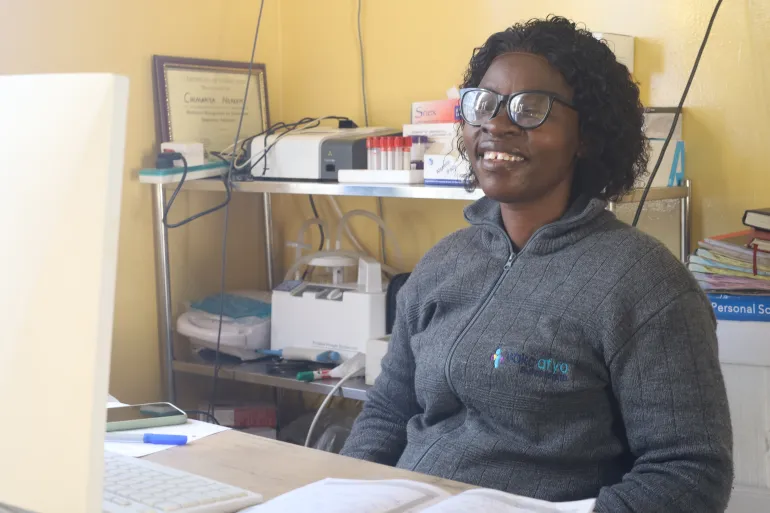
- Telehealth enables virtual consultations for patients in rural Zimbabwe.
- Virtual care reduces or replaces long travel times to reach healthcare facilities.
- Telehealth helps lower the cost burden of accessing medical consultations.
- The approach is presented as a way to improve access to healthcare in underserved rural areas.
Virtual consultations are replacing hours of travel, bringing affordable healthcare closer to rural Zimbabweans.
2 hours agoVirtual consultations are replacing hours of travel, bringing affordable healthcare closer to rural Zimbabweans.
21 hours ago
Australia wins nine gold medals and breaks two sprint records at Commonwealth Games
Australian athletes win nine gold medals on a day at the Commonwealth Games and break two national sprint records, accor...

Guatemalan couple found dead after US deportation; 1-year-old baby found alive
A Guatemalan couple are found dead in a sugarcane field shortly after being deported from the United States, according t...

Rajnath Singh unveils Indian Coast Guard reforms on gender parity and ex-gratia payments
Defence Minister Rajnath Singh announces reforms for the Indian Coast Guard aimed at improving gender equality and strea...