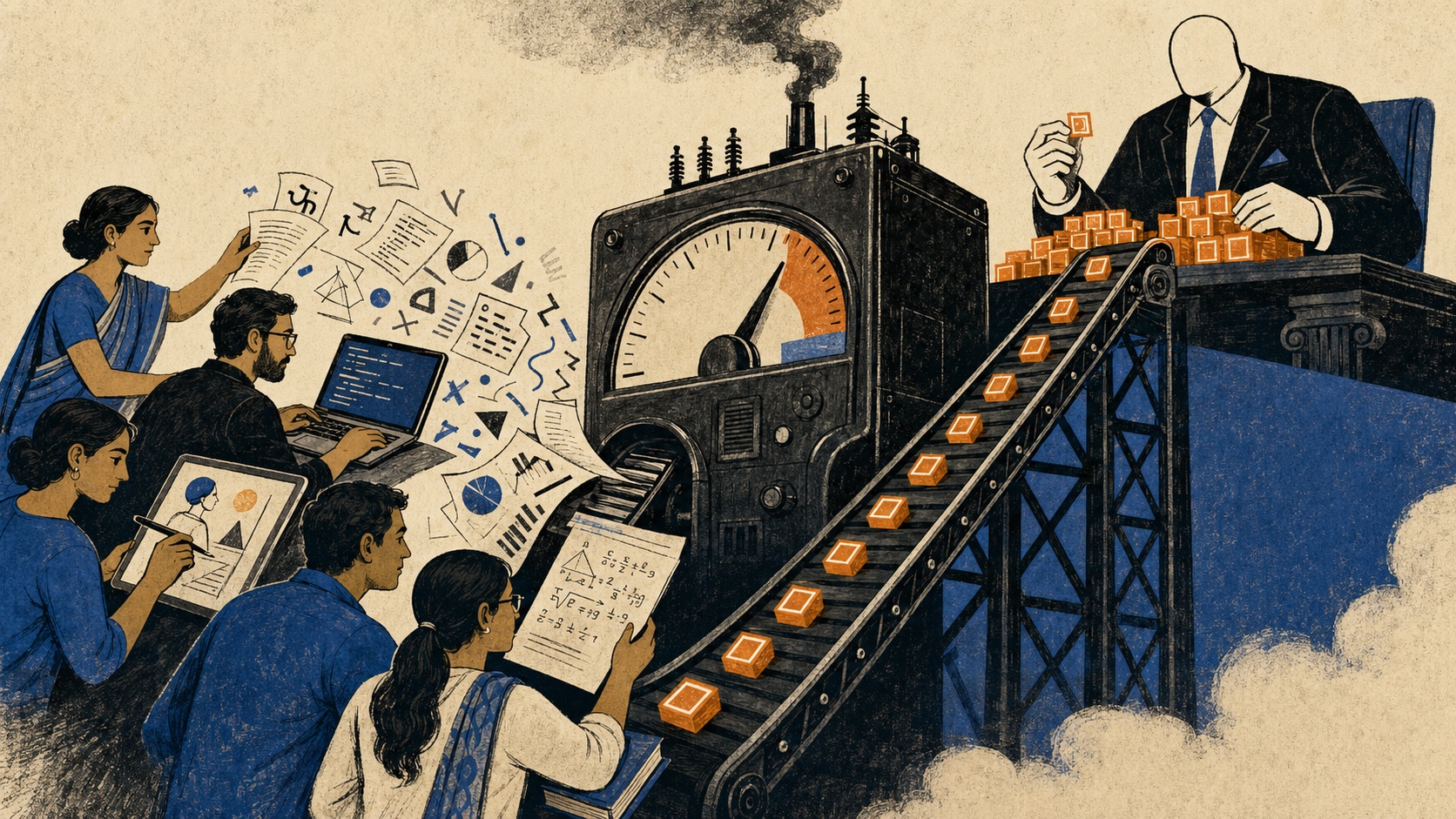
Multiple reports describe a shift in how employers may evaluate and compensate work as AI capabilities become cheaper and more widely adopted. The coverage argues that AI increasingly turns human skills and experience into measurable output—described as “tokens” in the reporting—allowing companies to price portions of work against salary costs. The articles frame this as a change in the balance between human labor and machine performance, suggesting that the key question is less whether AI can perform tasks traditionally done by employees, and more whether organizations’ internal decision-makers, including HR, determine that AI can cover enough of the role for a lower cost.
Rather than focusing on job titles, the reporting emphasizes evaluation tied to deliverables and performance metrics enabled by AI tools. This could lead to redefined job scopes, different staffing models, and compensation approaches that reflect how much work is carried out by people versus automated systems. The sources do not provide specific company figures, policy changes, or named employers, but they converge on the broader idea that AI is reshaping workforce management by shifting assessment toward measurable, AI-enabled productivity.