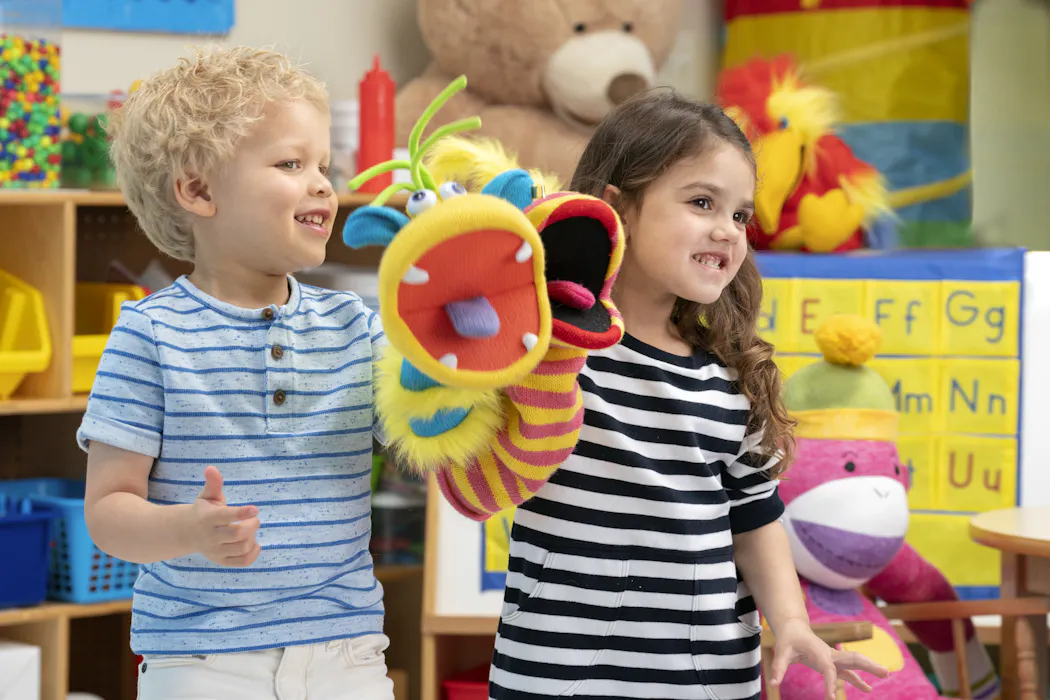
Two sources say play is a central part of early childhood and supports children’s development in multiple ways. The Conversation emphasizes that play-based early childhood programs help young children build skills related to learning, including emotional regulation and problem-solving. It frames play as a way children practice managing feelings and navigating challenges, which can carry forward into later childhood.
Phys.org similarly reports that prioritizing play benefits children’s learning and behavior. It points to outcomes such as vocabulary growth and improved ability to manage “big feelings,” alongside fewer behavioral problems. Taken together, the reports describe play not only as recreation but also as an educational approach that can strengthen cognitive and social-emotional abilities during early years.
Both sources focus on general developmental advantages associated with play, rather than a specific curriculum or study design. Overall, they argue that early education that includes substantial play time can support children’s language, thinking, and emotional skills.