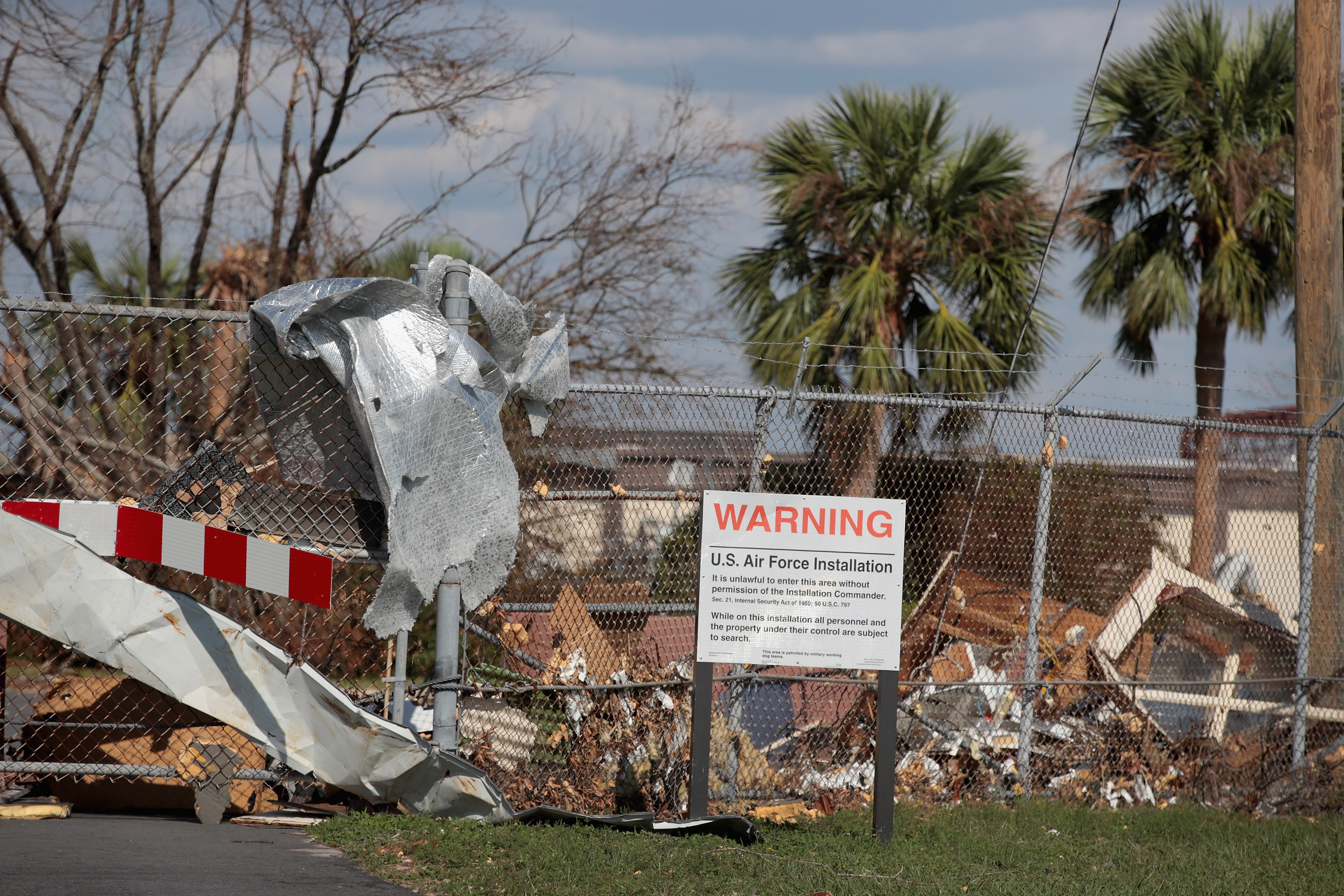
Multiple defense-focused outlets report that improved forecasts for El Niño conditions in the second half of 2026 are giving the Department of Defense advance warning that is uncommon before operational disruption. The coverage frames El Niño as a potential “threat indicator” because its effects on weather patterns can influence disaster risk, infrastructure reliability, and regional stability—factors that can affect military readiness, logistics, training schedules, and humanitarian or consequence-management operations.
The articles converge on the idea that months of notice should prompt planning and adjustments rather than reaction after conditions worsen. They describe El Niño as part of broader climate variability that can alter rainfall, temperature, and storm activity across different regions, creating second-order impacts for supply routes, disaster response demands, and the operating environment for forces abroad.
While the outlets do not present a single specific incident, they emphasize preparedness: incorporating forecast information into risk assessments, contingency planning, and coordination efforts so that the military can better absorb or mitigate disruptions associated with the forecasted conditions. The reporting is consistent that forecasts are available early enough to influence planning decisions.