


The article highlights the need for correctional officials to avoid financial transactions with inmates, presenting this as a safeguard for integrity within correctional systems. It argues that even small or informal exchanges can undermine impartiality, create opportunities for favoritism, and raise questions about improper influence. The piece frames inmate-official financial dealings as a risk to public trust, since such transactions can be interpreted as attempts to gain access to privileges, protections, or better treatment. It also emphasizes that prohibiting these interactions helps reduce misconduct and the potential for corruption, while supporting consistent and fair enforcement of rules. The argument is presented as part of broader governance and ethics for correctional services, with the intent of preventing conflicts of interest and preserving professional boundaries between staff and incarcerated people.
Article argues correctional officials should avoid financial transactions with inmates
The article highlights the need for correctional officials to avoid financial transactions with inmates, presenting this as a safeguard for integrity within correctional systems. It argues that even s...

- The article calls for correctional officials to avoid financial transactions with inmates.
- It says inmate-official money dealings can undermine impartiality and fairness.
- It argues such transactions can create perceptions of improper influence.
- It presents the issue as a matter of maintaining public trust in correctional systems.
- It frames the prohibition as a measure to reduce opportunities for misconduct and corruption.
Discover the vital reasons for banning financial transactions between correctional officials and inmates, a measure crucial for maintaining integrity and public trust in our correctional systems.
2 hours ago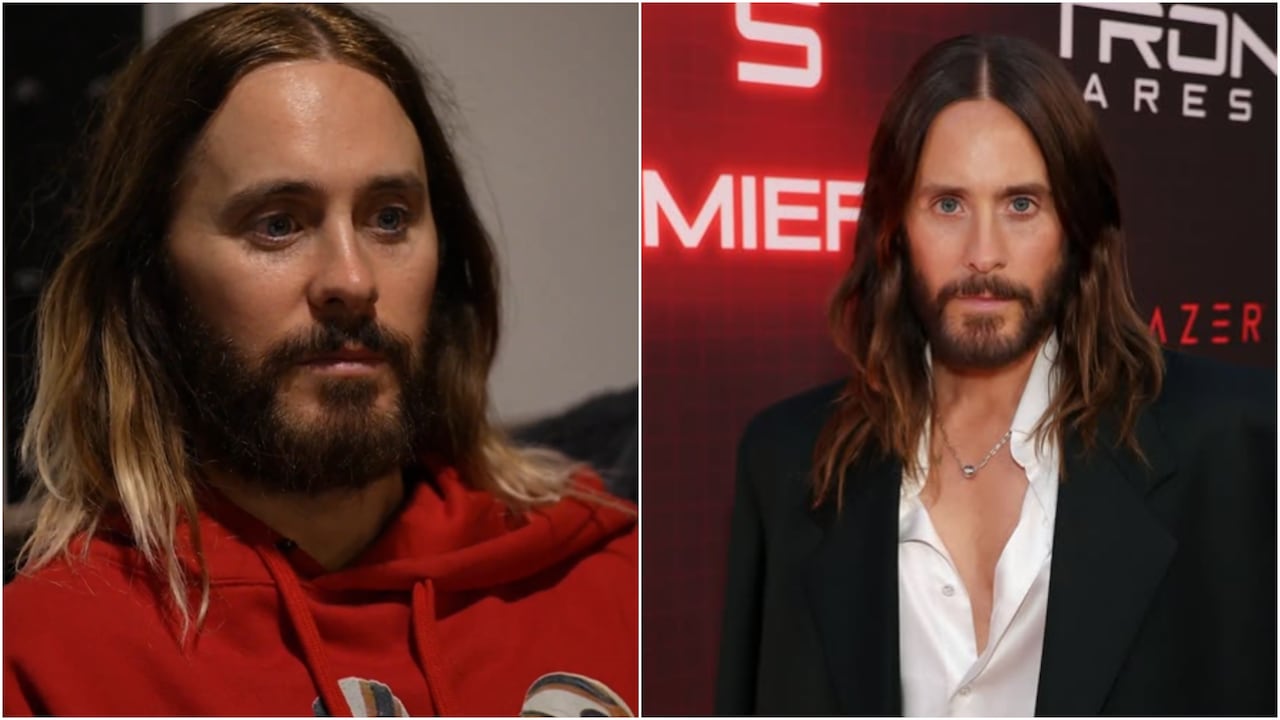
Jared Leto Accused of Sexual Misconduct in New BBC Documentary by Multiple Women
Oscar-winning actor and musician Jared Leto is accused of sexual misconduct in a new BBC documentary, “Jared Leto: Holly...
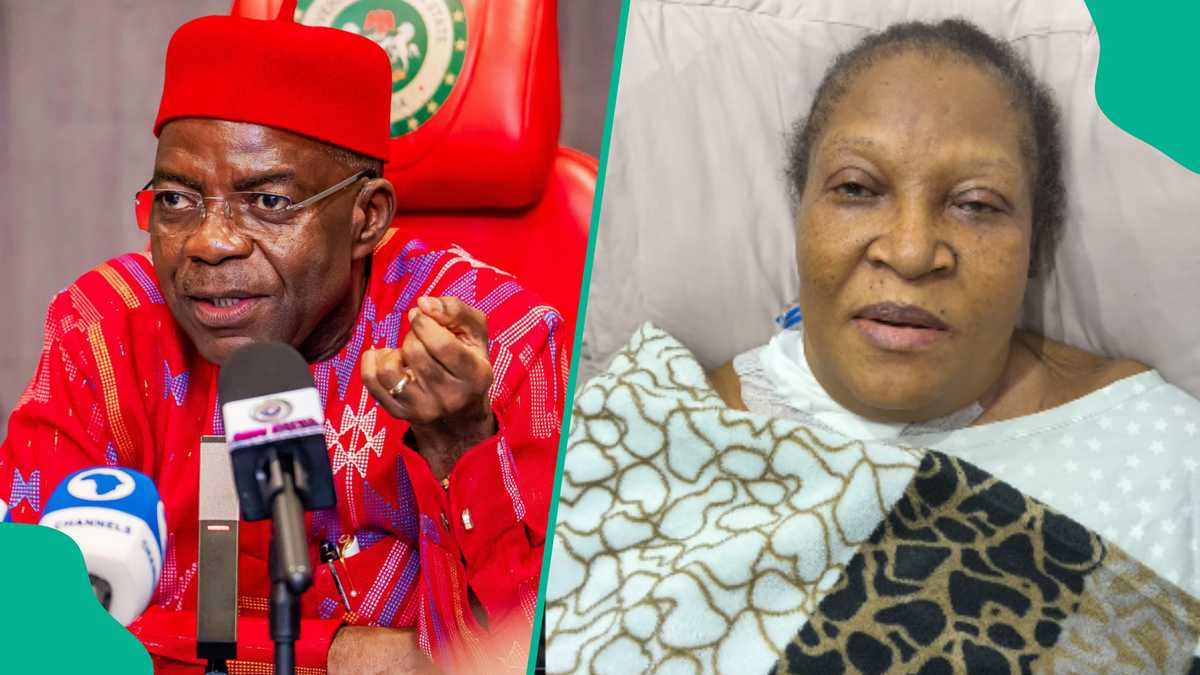
Abia Governor Otti approves first phase of medical bills for actress Ngozi Nwosu
Abia State Governor Alex Otti provides medical support to veteran Nollywood actress Ngozi Nwosu after she publicly appea...

Kenya investigates suspected poisoning after 15 elephants die in Amboseli National Park
Kenyan wildlife authorities are investigating the deaths of 15 elephants in Amboseli National Park in the south of the c...