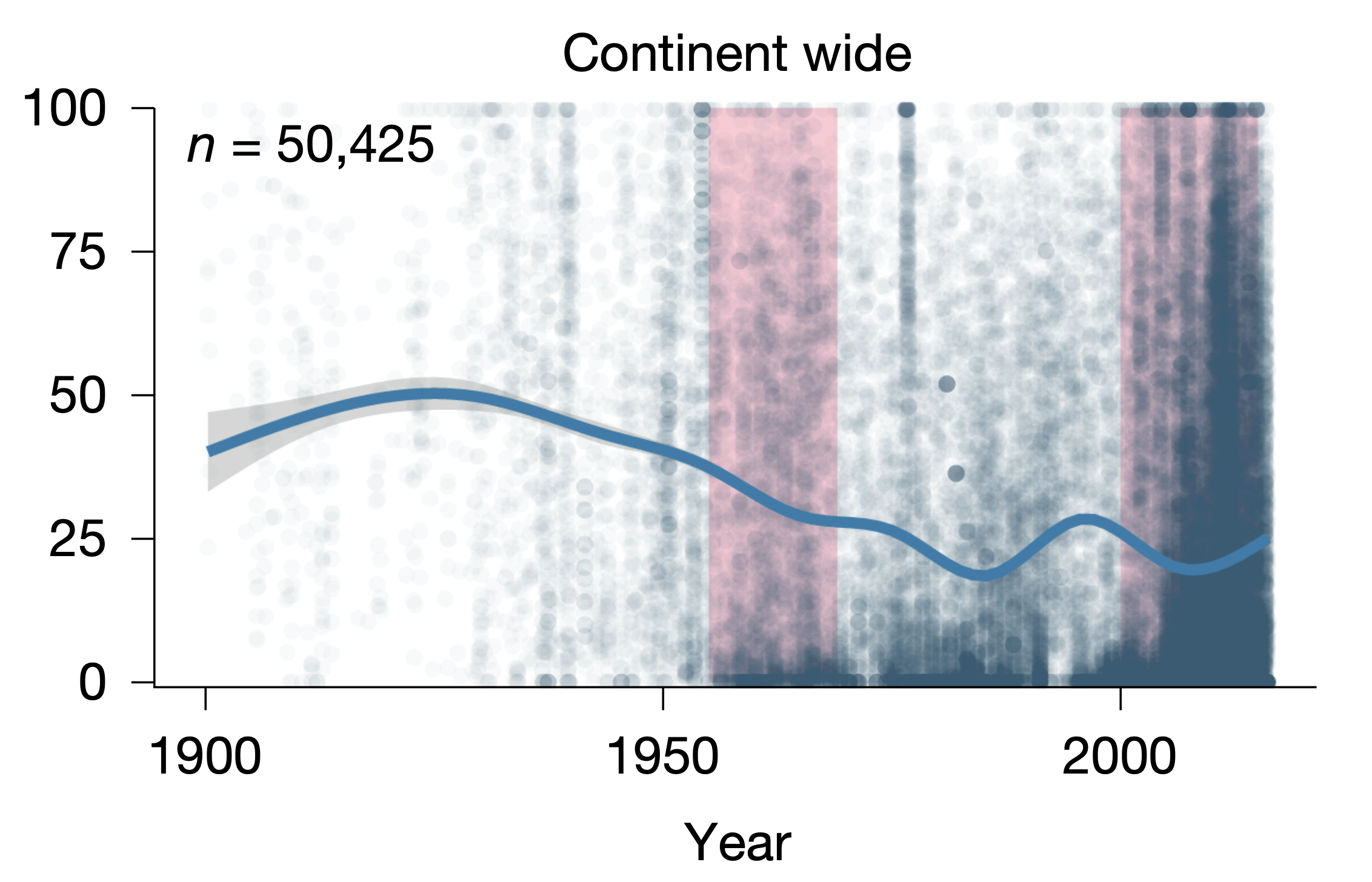
A new study published in *Nature* reports that rising temperatures are redistributing where childhood malaria risk occurs across Africa. The research finds “new risk” emerging in parts of eastern and southern Africa, while some areas in western Africa experience “relief hotspots,” where conditions may become less favorable for malaria transmission. The study is described as the most comprehensive analysis to date of how climate change affects an infectious disease, mapping changes in malaria risk across the continent rather than focusing on a single region.
The coverage also references the World Health Organization’s broader estimates of malaria’s toll, noting that hundreds of thousands of people die from the disease each year. Taken together, the study and accompanying reporting indicate that climate-driven changes in temperature and transmission conditions are altering malaria exposure for children in different locations. The findings highlight the need for public health planning that accounts for shifting geographic patterns of risk as temperatures continue to rise.