


A new study reports that some monkeys show an intuitive ability to recognize and match geometric shapes in ways that resemble human performance. Researchers tested primates—reported as baboons and macaques—using tasks that involve identifying shapes even when those shapes are rotated. The results indicate that monkeys can use strategies comparable to those used by humans and children, rather than relying on entirely different mental systems. The study suggests that the cognitive mechanisms underlying geometric understanding may have deeper evolutionary roots, potentially extending to a common ancestor shared by monkeys and humans. By comparing how different primates and humans handle the same kinds of geometric stimuli, the researchers conclude that similarities reflect shared processing approaches for shapes, including abstract reasoning about form and orientation. Overall, the findings are presented as evidence that basic geometric intuition predates modern humans and builds on primate cognitive foundations.
Study finds monkeys use geometry-related shape recognition strategies similar to humans
A new study reports that some monkeys show an intuitive ability to recognize and match geometric shapes in ways that resemble human performance. Researchers tested primates—reported as baboons and mac...
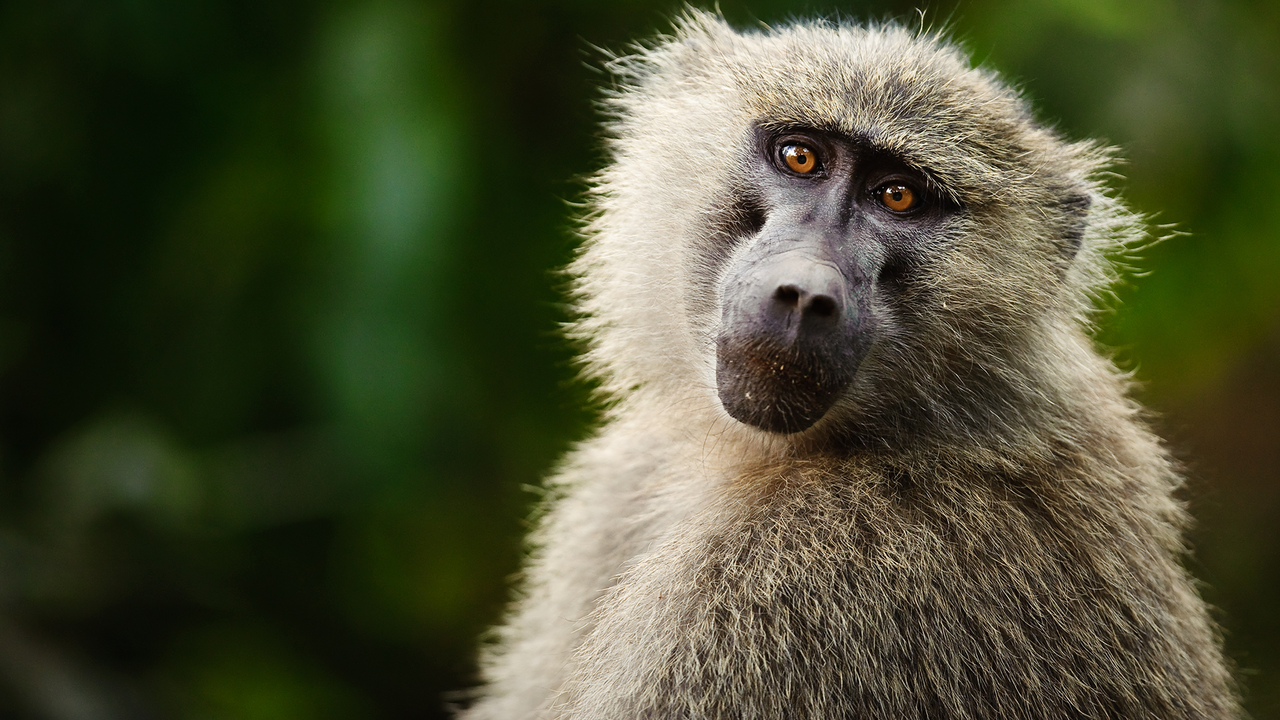
- Researchers test monkeys using tasks that involve geometric shapes, including rotated versions.
- Baboons and macaques are reported to match shapes using mental strategies similar to humans.
- Human and child performance is compared with primate performance in the study.
- The findings suggest geometric understanding may have evolved in a common ancestor.
- The study concludes that shared processing mechanisms account for the similarities rather than separate systems.
New research indicates monkeys and humans process geometric shapes similarly. This suggests geometric intuition evolved long before modern humans appeared. Rotated shapes revealed abstract reasoning abilities in monkeys and children. The study found shared cognitive mechanisms rather than separate systems. Human geometric abilities build upon primate foundations, not entirely new reasoning.
3 hours agoBaboons and macaques appear to use some of the same mental strategies as humans when matching shapes, suggesting that the foundations of geometry evolved in a common ancestor.
22 hours ago
CBS Sports simulates PPR fantasy drafts from multiple top picks
CBS Sports publishes a series of guides that simulate how fantasy football “league winners” can be built in PPR leagues...

NFC and AFC North fantasy outlooks highlight key 2026 considerations for each team
Yahoo Sports publishes separate fantasy football “division snapshots” covering the NFC North and AFC North as teams look...

CBS Sports publishes MLB daily parlay predictions using SportsLine simulations
CBS Sports runs a series of daily MLB preview articles that present betting recommendations in the form of multi-leg par...