


Analyses from multiple outlets report that U.S. stockpiles of advanced missile interceptors have been substantially reduced since renewed fighting between the United States and Iran began in late February. One outlet, citing a think tank estimate, says the number of Patriot interceptors has fallen by about 65%—with the most advanced interceptor inventories reduced significantly as exchanges continue. Another report similarly states that the U.S. has used up roughly two-thirds of its critical Patriot missile interceptors, describing the reduction as occurring over the period since hostilities resumed on or around Feb. 28. A separate analysis characterizes the situation as a risk to U.S. and allied air-defense readiness, arguing that diminished inventory levels could force changes in operational planning, including taking more conservation measures to manage limited interceptor stocks. While the specific figures vary in how they are presented, the sources converge on one core point: combat activity between the U.S. and Iran is consuming a large share of existing interceptor supplies, leaving fewer interceptors available for future engagements. The reports do not identify a corresponding increase in interceptor production in the same timeframe.
US Patriot interceptor stockpiles shrink sharply amid renewed fighting with Iran
Analyses from multiple outlets report that U.S. stockpiles of advanced missile interceptors have been substantially reduced since renewed fighting between the United States and Iran began in late Febr...
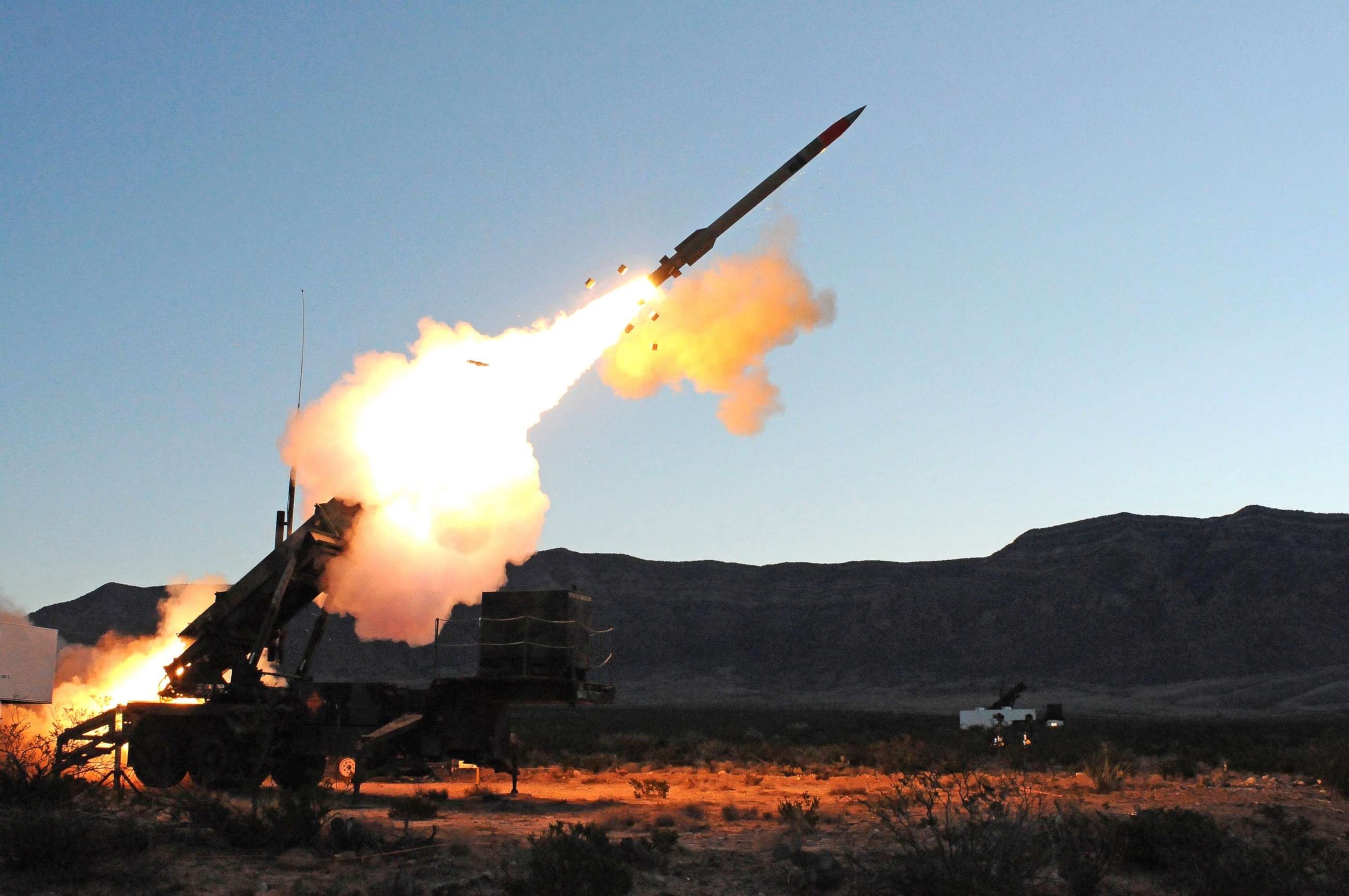
- Renewed U.S.-Iran fighting since late February is consuming large shares of U.S. interceptor inventories.
- Estimates indicate the U.S. Patriot interceptor stockpile has dropped by roughly two-thirds (around 65%).
- The reduction is described as involving the most advanced Patriot interceptors.
- Analysts warn diminished stocks could affect U.S. and allied air-defense operations and readiness.
- Sources attribute the figures to think tank or analysis estimates rather than immediate official inventory statements.
A think tank report estimates US stockpiles of its two critical air defense interceptors are dramatically reduced since combat between the U.S. and Iran began on Feb. 28.
1 hour agoThe renewed fighting in Iran risks dwindling America's already diminished stockpiles of interceptor missiles, with nearly a third of its most advanced weapons burned through, according to a new analysis.
3 hours agoRenewed fighting between the U.S. and Iran has expended more of America’s already dwindling stockpiles of advanced missile interceptors, potentially putting the country’s forces at risk should the Trump administration return to full-scale war, according to a new analysis. The number of Patriot interceptors, which was at 2,330 before the war, was more than halved...
6 hours ago
Trump shares photos of restored golden horses at DC’s Arts of War statues
President Donald Trump posts photos showing a restored gold appearance for the horses at the “Arts of War” sculptures in...
Katy Gallagher confirms decision on extending fuel excise cut
Finance Minister Katy Gallagher confirms the government’s position on whether the fuel excise cut will be extended. Mult...
Trump vows US will strike Iran hard after attack on US bases in Jordan
President Donald Trump says the United States will respond “very hard” to Iran after an attack that targets US military...