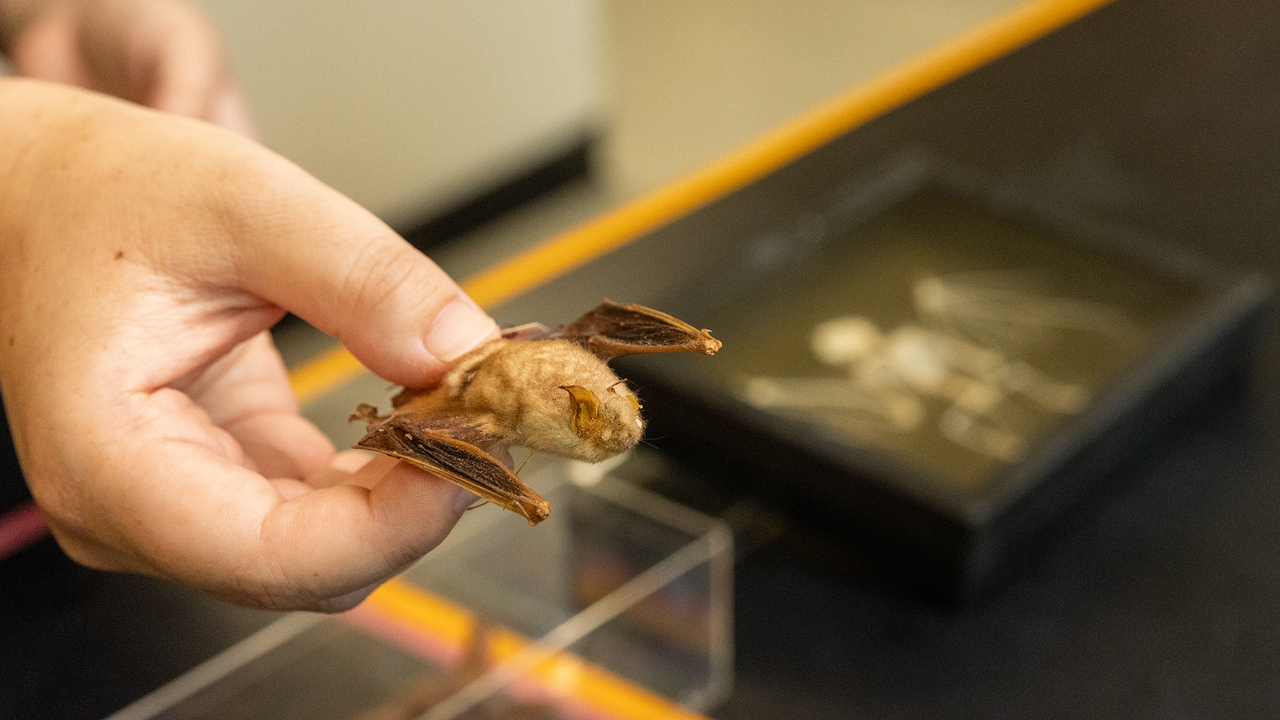
Researchers report that vesper bats have an unusual antibody arrangement that may help explain why they tolerate many viruses that are often deadly in other mammals. According to the study described by Live Science and Phys.org, the bats use two separate sets of genes to build antibodies, a rare evolutionary feature. Instead of relying on a single typical antibody gene system, the bats appear to generate immune responses through more than one genetic pathway. This could provide them with additional flexibility in recognizing and countering viral infections, potentially contributing to their ability to carry viruses without severe illness.
The findings address a long-standing question in wildlife and infectious-disease research: how bats—despite being the only mammals that fly—can host viruses that cause serious disease in humans and other animals, yet generally remain relatively unaffected. While the reported work focuses on the antibody gene organization and its potential implications, both outlets present the idea as a possible explanation rather than a final answer to bats’ unusual tolerance.