


Two outlets describe scabies as a severe skin disease in animals caused by the mite Sarcoptes scabiei. The mites burrow beneath the skin, producing symptoms such as constant scratching, bumpy or rough skin, and visible hair loss. The disease is presented as potentially fatal, with examples including Australia’s bare-nosed wombat, described as an animal that can be affected. Both sources focus on the diagnostic challenge: scabies can resemble other skin conditions, so identifying it requires attention to the characteristic signs and the underlying mite infestation. While the articles highlight common outward symptoms—such as pruritus (persistent scratching), skin changes, and tufts of lost fur—they also emphasize that the disease is driven by a microscopic cause and is linked to serious outcomes in wildlife. Overall, the discussion centers on how scabies presents in animals and why accurate diagnosis matters for understanding and managing cases that can lead to severe illness or death.
Researchers discuss diagnosing scabies in animals, including wombats
Two outlets describe scabies as a severe skin disease in animals caused by the mite Sarcoptes scabiei. The mites burrow beneath the skin, producing symptoms such as constant scratching, bumpy or rough...
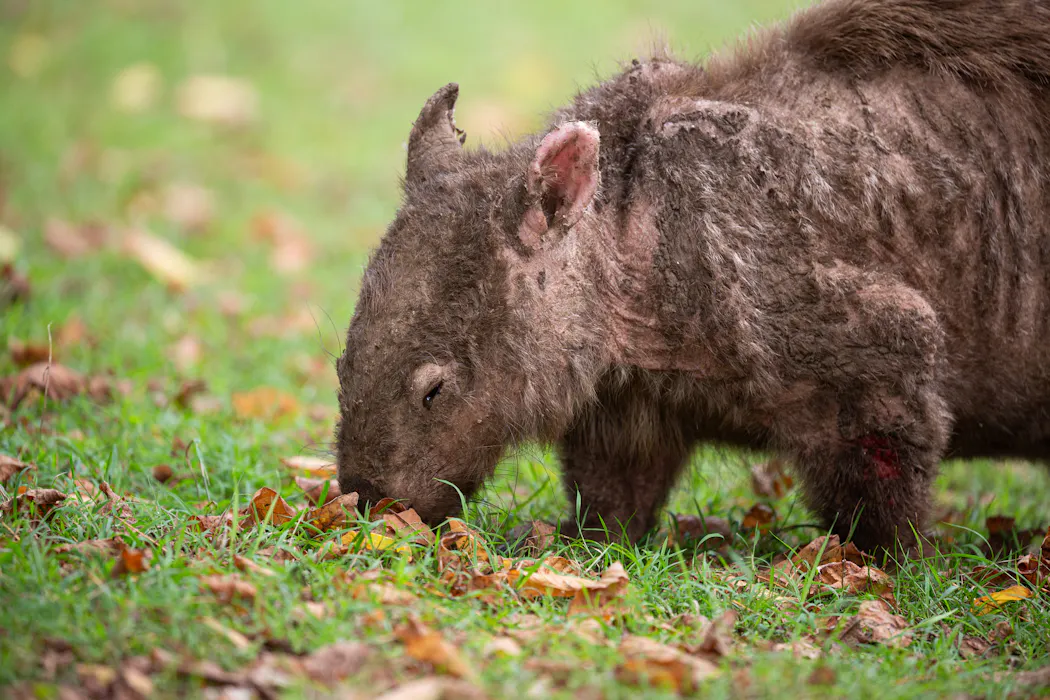
- Scabies is caused by tiny mites (Sarcoptes scabiei) that burrow into the skin.
- Affected animals may show constant scratching and bumpy or rough skin.
- Hair loss, including tufts of fur, is a common outward sign.
- The disease can be severe and potentially fatal in wildlife.
- The bare-nosed wombat is cited as an animal that can be affected.
Constant scratching, bumpy skin and tufts of lost fur. Those are just some of the signs that an animal has scabies, a severe and potentially fatal skin disease caused by tiny mites (Sarcoptes scabiei) that burrow into the skin.
4 hours agoThe tiny scabies mite burrows beneath the skin of many animals, including Australia’s bare-nosed wombat.
15 hours ago
Remi Tinubu seeks Saudi partnership to reform Almajiri education with Western learning
First Lady Oluremi Tinubu calls for international cooperation to reform Nigeria’s Almajiri education system. According t...
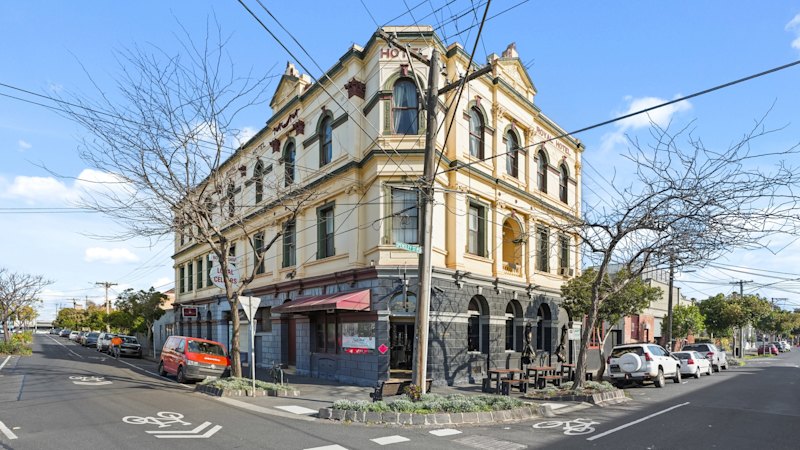
Historic Royal Hotel in Clifton Hill listed after failed five-storey development bid
The Royal Hotel, a historic corner pub in Clifton Hill, is being listed for sale, according to reports from multiple out...

The Imperial at Priscilla’s pub set for $5 million refurbishment under new operator
Reports from Brisbane Times, The Age, and the Sydney Morning Herald say The Imperial, the pub associated with Priscilla’...