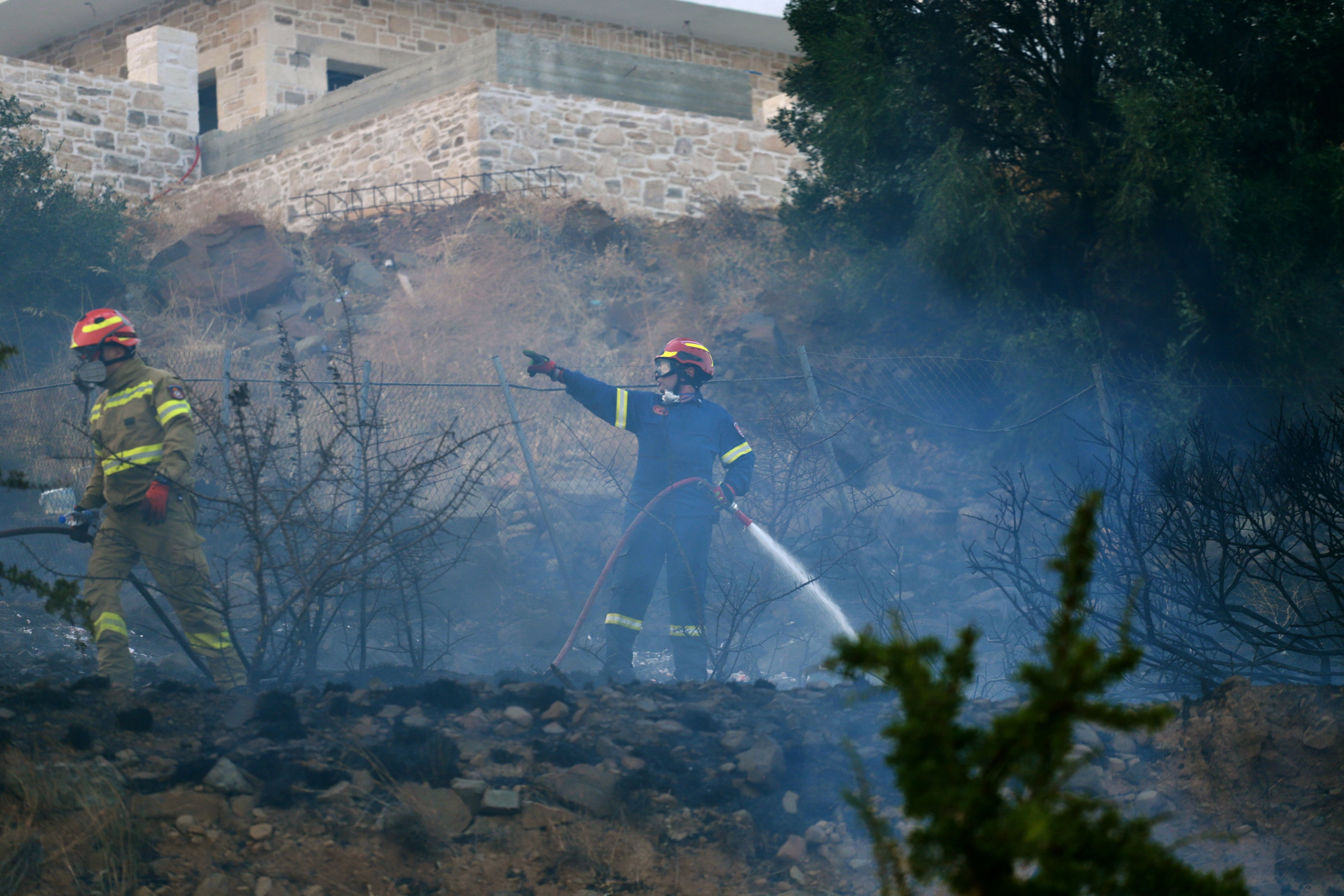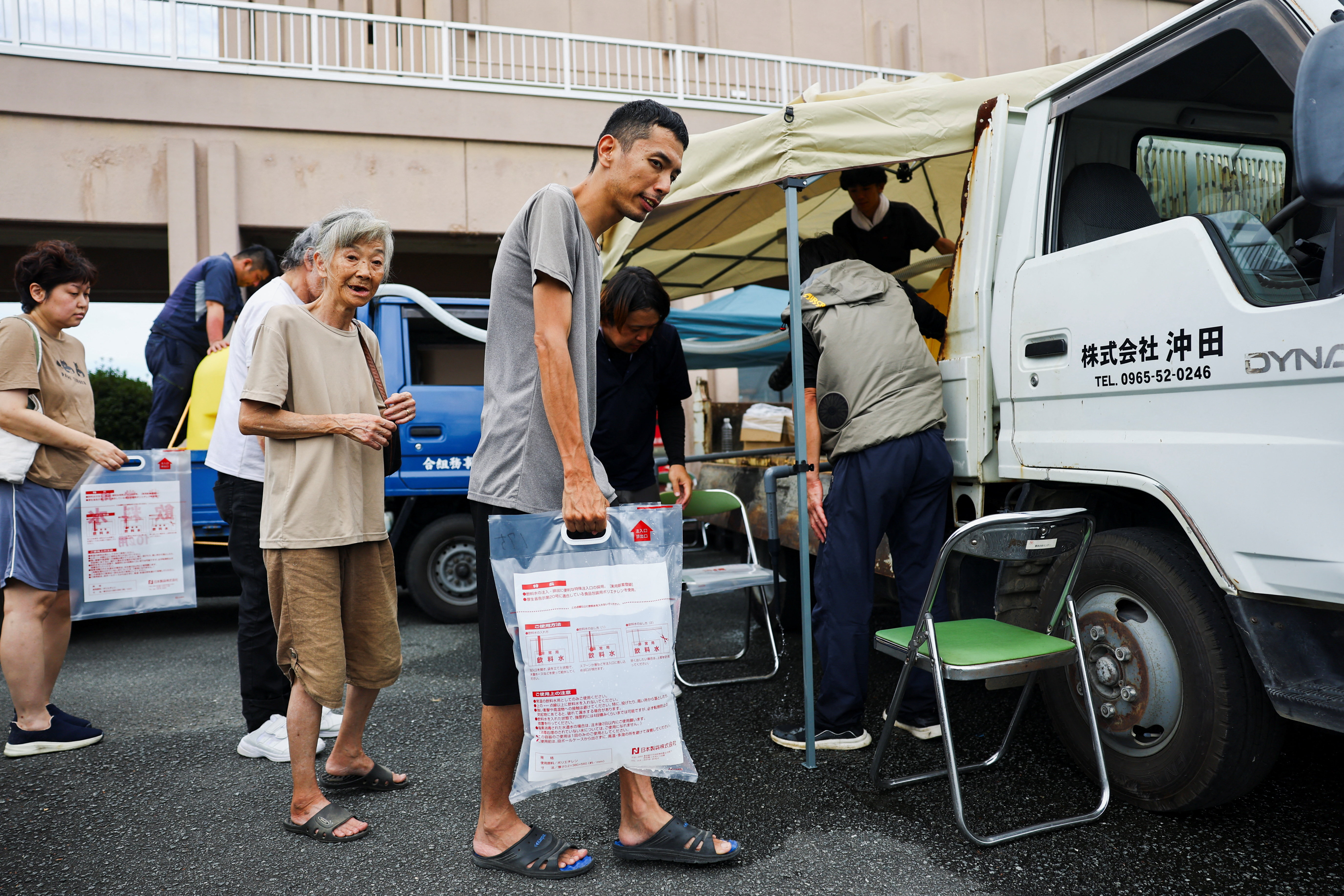
A 7.1-magnitude earthquake strikes southern Japan, causing widespread damage in the small city of Yatsushiro, where houses collapse and streets split. As rescue and recovery efforts continue, survivors and local officials report urgent needs related to basic services. Town officials say thirst and extreme summer heat become major concerns, alongside the lack of running water and electricity. Reports indicate that many households in the affected port city—about 58,000 households—are still without running water, and power outages also leave residents without cooling and essential infrastructure support.
Officials describe the situation as dangerous because dehydration and heat exposure can quickly become life-threatening when families lack access to water and dependable power. While the quake’s immediate impacts include structural damage, current attention focuses on the “invisible” risks created by service disruptions. The reported death toll increases, reaching 17 in one account, while details on the injured and displaced continue to develop as authorities assess damage and prioritize aid distribution across affected neighborhoods.