


Woolworths reports slower growth in the second half of the year, attributing the weaker performance to softer consumer spending and increased operating pressures. The company says consumers in South Africa and Australia are reining in discretionary purchases as household budgets come under strain. Both outlets link the slowdown to broader cost and risk factors, including the Middle East conflict, which the company says weighs on sentiment and demand. Woolworths also points to higher fuel costs and interest rate hikes as contributors to reduced spending capacity. In addition, it flags that its operating costs rise during the same period, further affecting results. While the sources focus on different aspects—Moneyweb highlights the combination of lower discretionary demand, fuel costs and interest rate increases, while The Citizen emphasizes the Middle East conflict and higher operating costs—they converge on the overall explanation: consumers spend less, and the company faces cost pressures. The reporting indicates the retailer expects conditions to remain challenging as it works through the impact of external economic and geopolitical factors.
Woolworths cites weaker consumer demand and higher costs for slower H2 performance
Woolworths reports slower growth in the second half of the year, attributing the weaker performance to softer consumer spending and increased operating pressures. The company says consumers in South A...
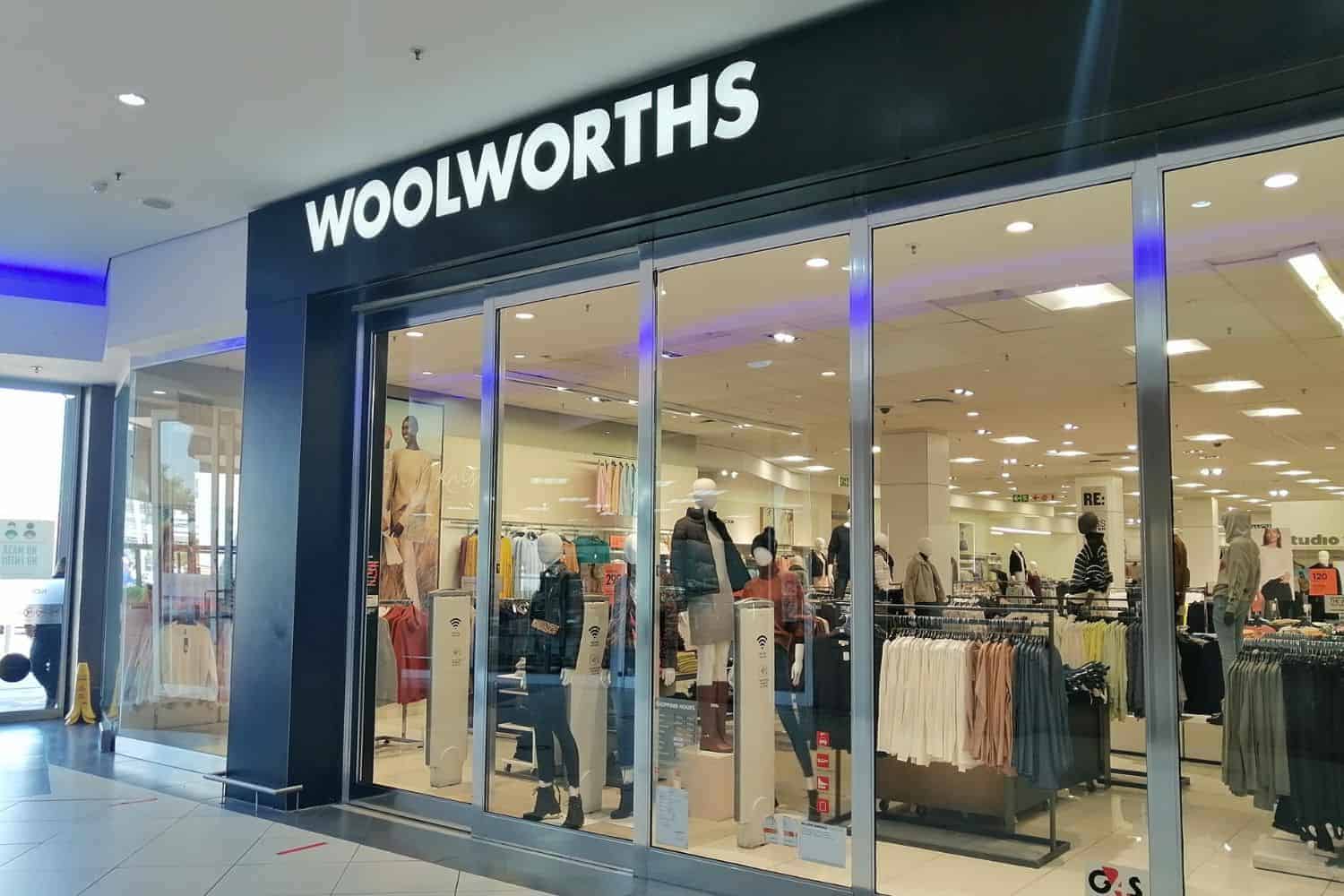
- Woolworths reports slower growth in its second-half performance.
- The company says consumer spending weakens, particularly for discretionary items.
- Woolworths cites the Middle East conflict as a factor affecting performance.
- Higher fuel costs and interest rate hikes weigh on customer spending in South Africa and Australia.
- Woolworths says operating costs increase during the period, adding pressure to results.
The second half of the year saw consumers with less money to spend while Woolworths' operating costs increased.
4 hours agoRetailer says Middle East conflict, higher fuel costs and interest rate hikes weighed on discretionary demand in South Africa and Australia.
9 hours ago
UEFA votes to boycott FIFA competitions over World Cup private investor plan
UEFA says its member associations have voted unanimously to boycott FIFA competitions if FIFA proceeds with a plan invol...

Anthony Smith arrested in Nebraska on three felony charges related to alleged domestic incident
Former UFC light-heavyweight contender Anthony Smith is arrested in Nebraska and faces three felony charges connected to...

Cellino plans appeal after Brescia collapse reroutes Tonali-linked Tottenham funds to FIFA
Massimo Cellino says he will appeal after Brescia’s financial collapse affects money tied to Sandro Tonali’s proposed tr...