


NASA reports that a July 6, 2026 image from the James Webb Space Telescope’s Mid-Infrared Instrument (MIRI) shows Centaurus A, a nearby starburst galaxy located about 11 million light-years from Earth. The observations highlight dusty structures within the galaxy and reveal hidden activity that is not as visible at other wavelengths. Both sources describe Centaurus A as unusually active compared with other nearby galaxies, and they attribute the improved view of this activity to Webb’s mid-infrared capabilities, which can penetrate dust more effectively than visible-light imaging. By capturing emission from warm dust and related features, MIRI helps scientists study how dust and energy processes are shaping the galaxy’s unusual characteristics. The reports frame the result as a new image-based view of the system’s internal structures and ongoing activity, providing context for further investigation into why Centaurus A exhibits a starburst-like level of activity despite its relative proximity in cosmic terms.
James Webb MIRI reveals dusty structures and activity in starburst galaxy Centaurus A
NASA reports that a July 6, 2026 image from the James Webb Space Telescope’s Mid-Infrared Instrument (MIRI) shows Centaurus A, a nearby starburst galaxy located about 11 million light-years from Earth...

- NASA’s James Webb Space Telescope MIRI captures a July 6, 2026 image of Centaurus A.
- Centaurus A is about 11 million light-years from Earth.
- MIRI observations reveal dusty structures in the galaxy.
- The image shows hidden or obscured activity within Centaurus A.
- Centaurus A is described as unusually active compared with most nearby galaxies.
In this July 6, 2026, image, NASA's James Webb Space Telescope's Mid-Infrared Instrument (MIRI) reveals the nearby galaxy Centaurus A, exposing the dusty structures and hidden activity that shape this unusual system.
2 hours agoIn this July 6, 2026, image, NASA’s James Webb Space Telescope’s Mid-Infrared Instrument (MIRI) reveals the nearby galaxy Centaurus A, exposing the dusty structures and hidden activity that shape this unusual system. Centaurus A is 11 million light-years away from Earth, relatively close in cosmic terms. Yet, unlike most nearby galaxies, it is very active, […]
7 hours ago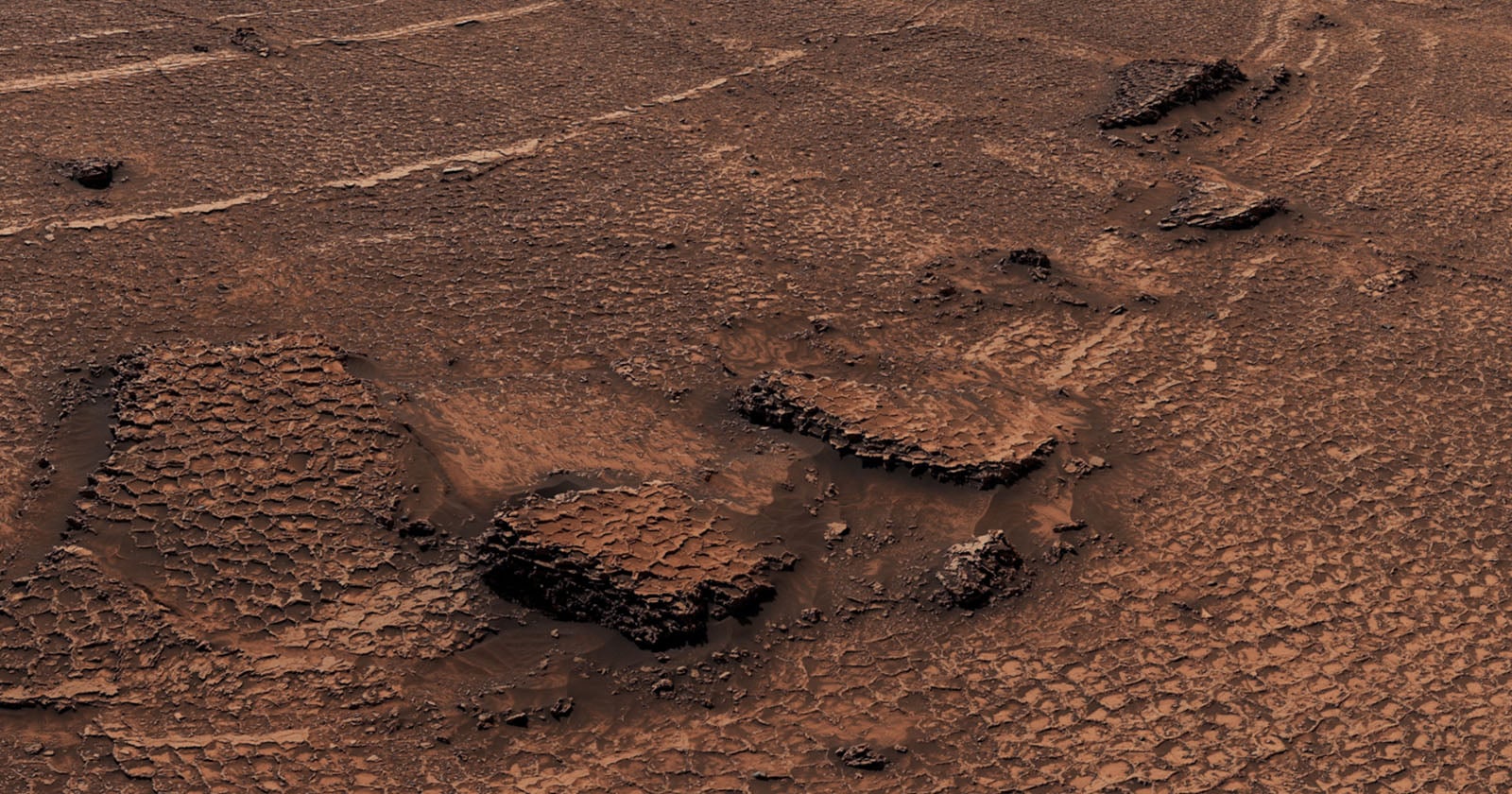
Curiosity rover finds large-scale honeycomb polygon fractures in Mars’ Valle Grande
NASA reports that its Curiosity rover is climbing a Martian valley nicknamed “Valle Grande” and has returned images show...
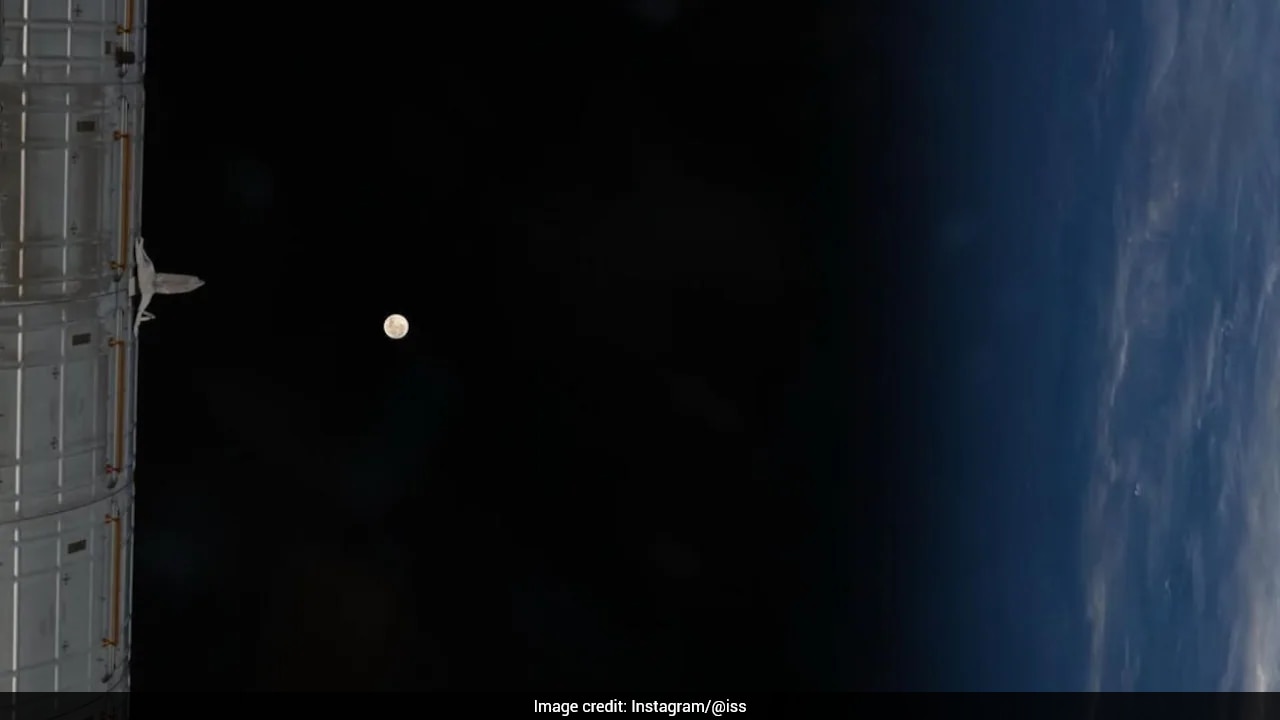
July 2026 Buck Moon Peaks July 29; Visible Worldwide With Clear-Sky Viewing Tips
The July 2026 full moon, known as the “Buck Moon,” reaches peak fullness on July 29 and is also visible on July 28, 29,...

France orders expulsion of Russian commentator Xenia Fedorova over alleged Kremlin propaganda
France orders Russian journalist and media commentator Xenia Fedorova to leave the country, the French Interior Ministry...