


Across two outlets, a combat infantryman discusses the contrast between public expressions of appreciation and the realities of what that service can entail. The accounts focus on the emotional and moral weight of decisions made in combat—standing “in the gap,” making a split-second calculation, and pulling the trigger—and the lingering consequences that may not be visible to those outside the military. Both sources highlight what they describe as a “profound, sickening duality”: people thank service members, yet they might be “horrified” by seeing what the job requires. The pieces present the service member’s perspective rather than reporting new external events, emphasizing the psychological and ethical cost of lethal action and responsibility. In doing so, the articles underscore the distance between civilian recognition and combat experience, and they frame the central question as “at what cost,” pointing to how duty, personal accountability, and the aftermath of violence shape the meaning of service. No other specific incidents, locations, or additional corroborating details are provided in the excerpts.
Infantryman reflects on gratitude, responsibility, and costs of combat service
Across two outlets, a combat infantryman discusses the contrast between public expressions of appreciation and the realities of what that service can entail. The accounts focus on the emotional and mo...
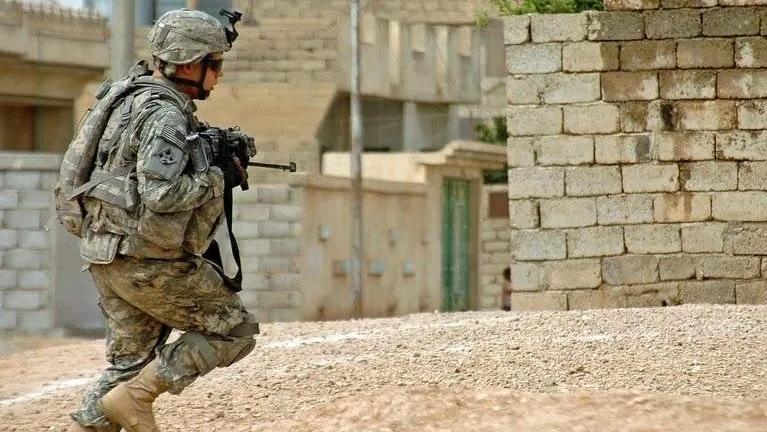
- A combat infantryman describes standing in a position to act during combat and making a calculation before firing.
- The pieces emphasize the emotional and moral cost of lethal actions and the responsibility involved.
- Both sources frame a contrast between public gratitude for service and what civilians might think if they saw combat realities.
- The articles pose the central question of “at what cost,” focusing on consequences that may extend beyond public recognition.
"There is a profound, sickening duality in being thanked for your service by people who would be horrified if they ... saw what that service required."
3 months ago"There is a profound, sickening duality in being thanked for your service by people who would be horrified if they ... saw what that service required."
3 months ago
Oyo Nyimba, Uganda’s Tooro king and former world’s youngest monarch, dies at 34
Ugandan King Oyo Nyimba, leader of the Tooro kingdom, dies at age 34, according to multiple outlets. The regional prime...

Nepal and China resume flood rescues as lake risk eases; death toll exceeds 500
Rescue teams from Nepal and China resume operations after a brief pause following concerns about an overflowing lake in...

Procam launches “HDOR – 100 Days of Running” fitness initiative to build long-term running habits
Procam launches “HDOR – 100 Days of Running,” a fitness initiative aimed at turning 100 days of running into lasting mov...