


After the COVID-19 pandemic shifted instruction online, many schools and states moved toward a “laptop or tablet for every student” approach to help children participate remotely and complete assignments. Using federal pandemic funding, districts aimed to narrow the digital divide between students with internet-capable devices and those without. As schools return to in-person learning, some outlets report that districts are reevaluating whether universal device access is still the best or most cost-effective model. Instead of assuming every student needs a personal laptop, schools are exploring more targeted strategies, such as ensuring device availability for students who need them most, using shared or classroom-based technology, and reconsidering how learning activities rely on individual take-home devices. While both sources describe the same pandemic-era rationale for widespread devices—supporting student engagement and coursework during remote instruction—they note that the post-pandemic reality is prompting a reassessment of whether the same level of per-student hardware is necessary in day-to-day in-person classrooms.
Schools reconsider one-laptop-per-student model after pandemic-era device push
After the COVID-19 pandemic shifted instruction online, many schools and states moved toward a “laptop or tablet for every student” approach to help children participate remotely and complete assignme...
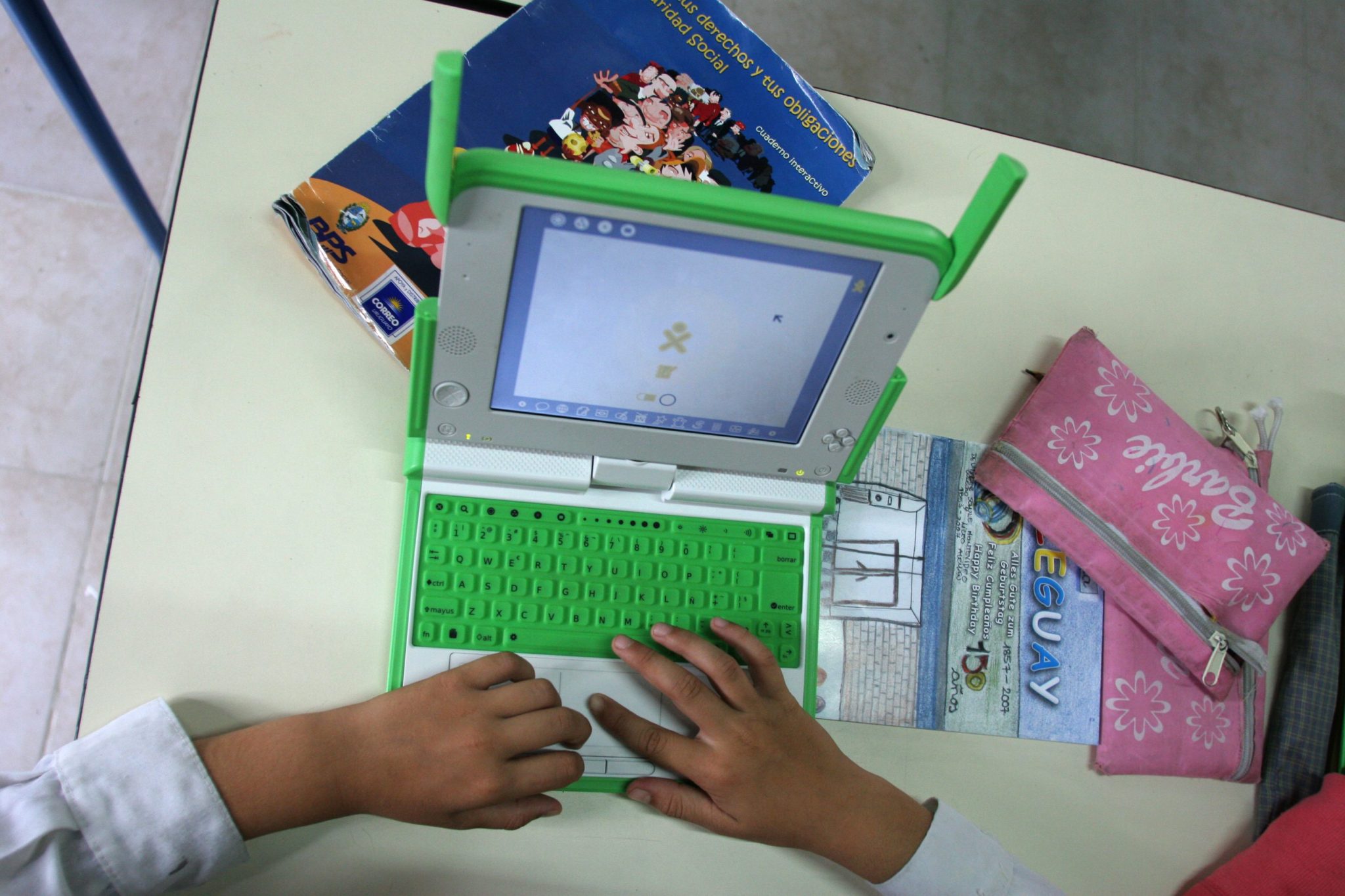
- During COVID-19 remote instruction, students often needed personal laptops or tablets to interact with teachers and complete assignments.
- Many states used federal pandemic funding to address the digital divide for students lacking devices.
- As in-person schooling resumes, some districts are rethinking whether every student still needs a personal device.
- Schools are exploring alternatives to the universal laptop-for-every-kid approach, including more targeted device support.
When the COVID-19 pandemic forced in-person classroom instruction to go virtual, students suddenly needed to have their own laptops or tablets in order to interact with teachers and complete assignments. Most states used federal pandemic funding to address the digital divide. This refers to the gap between students and families who had their own tablets, […]
3 hours agoWhen the COVID-19 pandemic forced in-person classroom instruction to go virtual, students suddenly needed their own laptops or tablets to interact with teachers and complete assignments.
1 day ago
Articles explore role of doctor Ross Cruikshank in end-of-life care
Multiple Australian outlets publish a feature on doctor Ross Cruikshank, focusing on misunderstandings about clinicians...
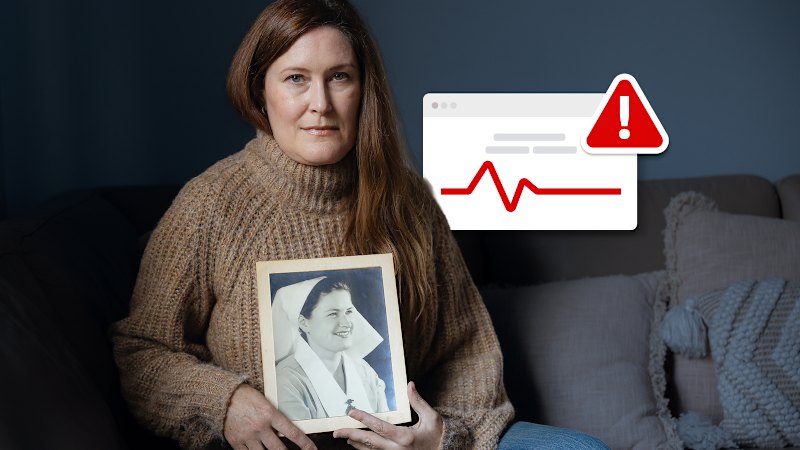
Doctors question heart-surgery device after infection deaths, as hospitals continue using it
Three Australian outlets report the death of Fiona’s mother following complications after heart surgery, with coverage f...

Calls for greater transparency around political donations and donor influence
Multiple outlets argue that Australia needs stronger public scrutiny of political donations and the influence of donors....