


A new report finds that Holocaust education, by itself, is not enough to reduce antisemitism, calling for broader and better-supported approaches in schools. Across reporting from Brisbane, Melbourne and Sydney, the study argues that educators need additional training and clearer guidance to handle sensitive or difficult classroom discussions. It also stresses the importance of helping students understand Jewish people within the context of wider multicultural Australia, rather than focusing solely on historical events. The findings point to the role of practical classroom support—such as how teachers respond when antisemitic ideas arise and how they facilitate respectful learning—rather than relying only on existing Holocaust-focused programs. The report’s message is that antisemitism is complex and requires ongoing educational strategies that equip teachers to address misconceptions and prejudice, while promoting accurate understanding of Jewish communities as part of everyday society. The sources describe the recommendations as aimed at improving how schools educate students about both the Holocaust and contemporary issues related to prejudice.
Study says Holocaust education alone is insufficient to address antisemitism in schools
A new report finds that Holocaust education, by itself, is not enough to reduce antisemitism, calling for broader and better-supported approaches in schools. Across reporting from Brisbane, Melbourne...
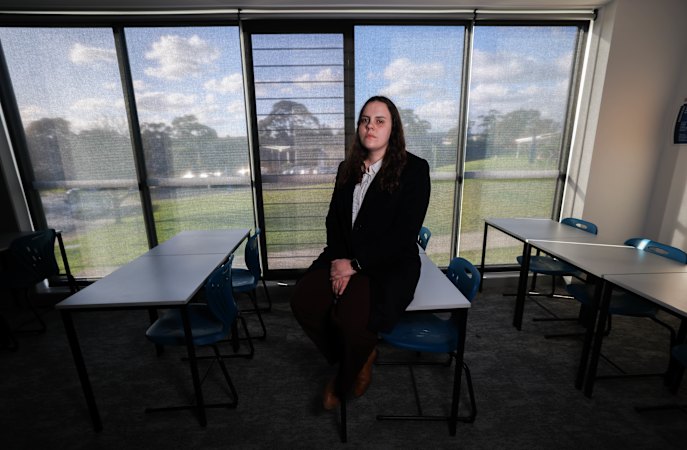
- A report concludes Holocaust education alone is not enough to address antisemitism.
- The study calls for more training for educators.
- It recommends providing guidance for how teachers handle difficult conversations.
- The report highlights helping students understand Jewish people as part of multicultural Australia.
- All sources report the findings as a need for broader, supported approaches in schools.
A report has called for more training for educators and guidance on how to tackle difficult conversations. Helping students understand Jewish people as part of multicultural Australia was also seen as key.
2 hours agoA report has called for more training for educators and guidance on how to tackle difficult conversations. Helping students understand Jewish people as part of multicultural Australia was also seen as key.
2 hours agoA report has called for more training for educators and guidance on how to tackle difficult conversations. Helping students understand Jewish people as part of multicultural Australia was also seen as key.
2 hours ago
Andrea Johnson faces Madlanga Commission follow-up and ethics complaints
IDAC head Advocate Andrea Johnson is appearing before the Madlanga Commission after earlier testimony drew scrutiny and...

WestJet flight attendants union issues 72-hour strike notice amid stalled talks
A union representing WestJet flight attendants issues a 72-hour strike notice to the airline, setting up the possibility...

Vancouver police release video after assault on 75-year-old man in Downtown Eastside
Vancouver police release video footage showing a violent robbery and assault involving a 75-year-old man in the Downtown...