


A 27-year study tracking 35 bird species across North America finds that female birds generally have lower survival rates than males. Researchers report that the pattern is consistent across a large dataset, suggesting the discrepancy is broader than previously recognized. The study focuses on how the demands of reproduction and migration may affect females more strongly, given the energy and risk involved in nesting, raising offspring, and related biological processes. The findings also highlight an apparent contrast with mammals, where females often live longer and have higher survival than males, a difference that researchers say remains difficult to explain. The study points to potential biological mechanisms, including genetic factors tied to sex chromosomes, as one possible contributor to the survival gap. Overall, the researchers describe the results as an ongoing puzzle in why, in birds, sex-based differences in survival run in the opposite direction from the common mammal pattern.
Study finds female birds have lower survival rates than males across 35 North American species
A 27-year study tracking 35 bird species across North America finds that female birds generally have lower survival rates than males. Researchers report that the pattern is consistent across a large d...

- A 27-year study finds female birds have lower survival rates than males.
- The pattern is observed across 35 bird species in North America.
- Researchers suggest reproduction and migration demands may affect females more.
- The study is described as the first to examine female survival using a large dataset.
- Sex-chromosome–linked genetic factors are proposed as a possible explanation.
A comprehensive study spanning twenty-seven years has revealed that female birds face lower survival rates compared to their male counterparts. This trend has been observed in thirty-five distinct bird species throughout North America. The challenges posed by migration and reproduction seem to disproportionately affect females. Furthermore, genetic factors related to sex chromosomes may play a role in this issue.
2 hours agoBirds have a lot to do in their short lives: defend territories, build nests, raise chicks and feed themselves. But the toll of these activities may be greater for female birds than for male birds. A new study by UCLA ornithologists has found that female birds have lower survival rates than males. The research is the first to study female bird survival in a large dataset and shows that the phenomenon is more widespread than previously recognized. In mammals, females generally have higher survival rates, and why birds, which are not mammals, show the inverse is a puzzle the researchers are trying to solve.
16 hours ago
Oral semaglutide trial finds fewer heavy drinking days in people with alcohol use disorder
A small randomized clinical trial suggests that a daily oral GLP-1 medication may reduce heavy drinking among people wit...

Ancient DNA from Chilean mummies provides first genomic evidence smallpox came from Europe
Researchers analyzing ancient DNA from mummies in Chile identify smallpox virus genetic material, reported as the earlie...
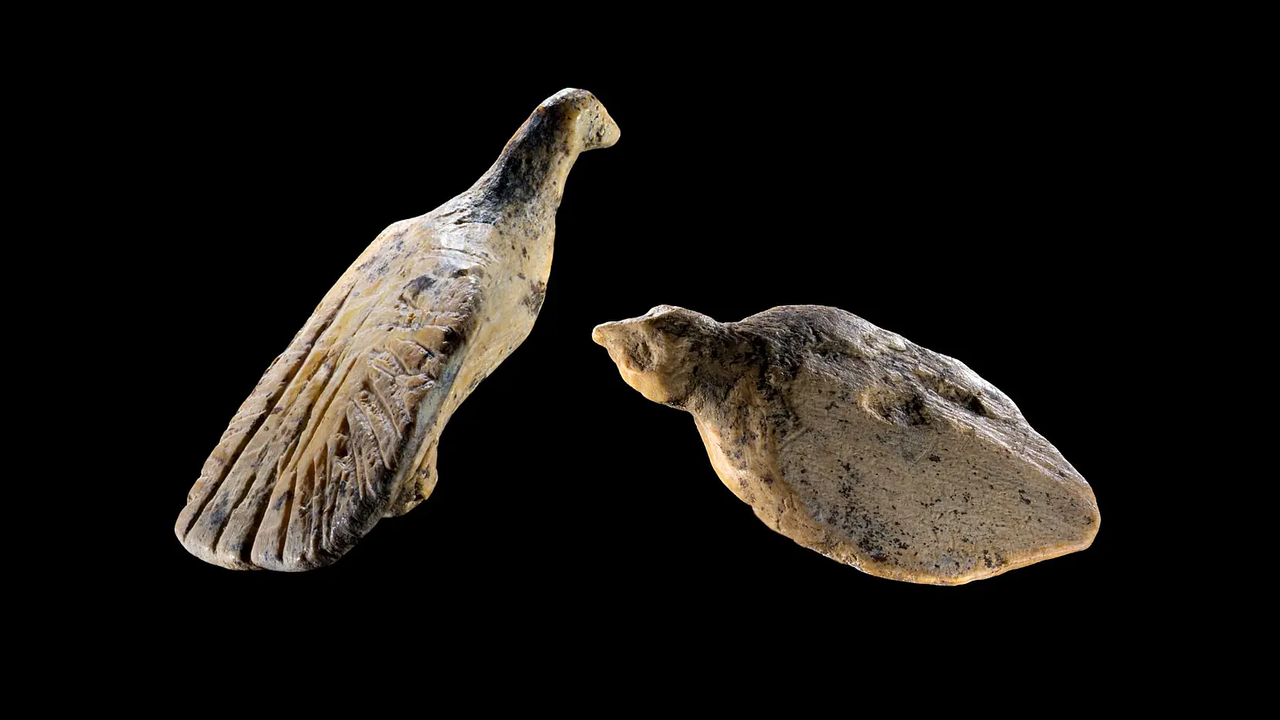
40,000-year-old thumbnail-size bird figurines carved from mammoth ivory found in German cave
Archaeologists report the discovery of two small bird figurines dated to about 40,000 years ago from Hohle Fels Cave in...