


Multiple outlets discuss how popes address major shifts in technology by drawing on a long-standing Catholic social teaching principle known as subsidiarity. The articles describe Pope Leo as one example among several popes who frame modern technological upheavals—ranging from earlier industrial-era developments to contemporary advances such as artificial intelligence—through the same underlying idea. Subsidiarity, as presented in the sources, emphasizes that decisions should be made at the most local or immediate level capable of handling them, rather than being absorbed by larger institutions when that is unnecessary. The coverage links this approach to Catholic social teaching and notes that the principle has guided how the Church evaluates the social impacts of technological change for decades. One source highlights that an encyclical invokes subsidiarity as a core concept, portraying it as a continuity point between responses to new technologies and the Church’s broader moral and social framework. Overall, the reports characterize subsidiarity as a guiding lens popes use to assess how technology affects communities and governance, while keeping authority and responsibility appropriately distributed.
Catholic social teaching of subsidiarity guides popes’ responses to technological change
Multiple outlets discuss how popes address major shifts in technology by drawing on a long-standing Catholic social teaching principle known as subsidiarity. The articles describe Pope Leo as one exam...
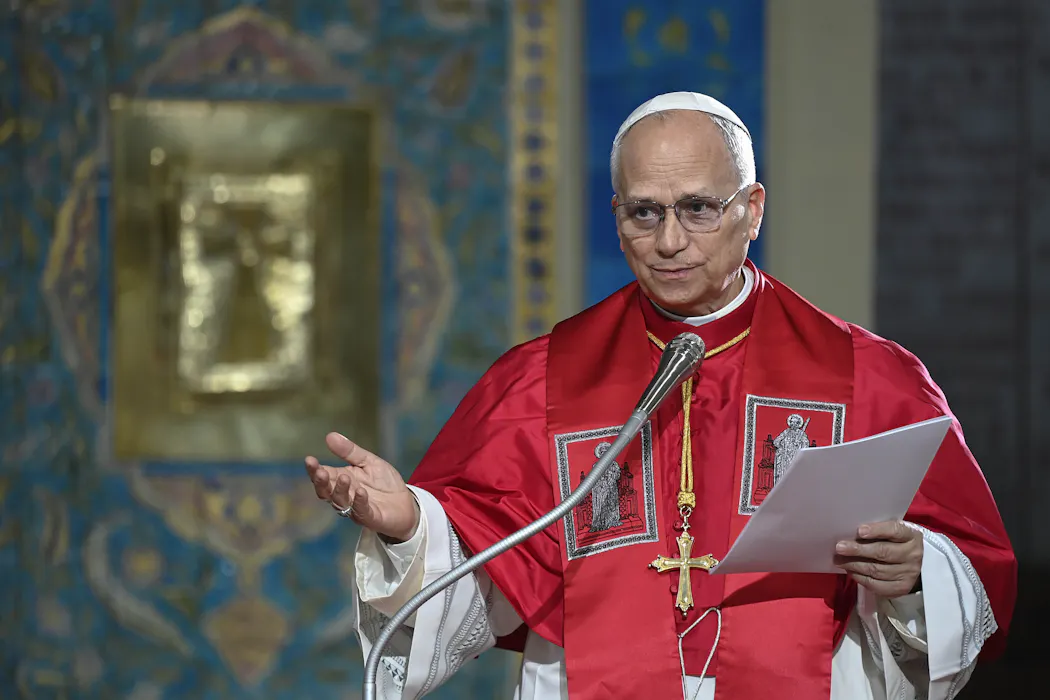
- Pope(s) use the Catholic social teaching principle of subsidiarity to respond to technological change.
- Subsidiarity is described as a long-standing tenet guiding Catholic perspectives from earlier technological shifts to newer ones.
- An encyclical is cited as invoking subsidiarity as a core concept.
- The principle emphasizes decision-making at the most local level capable of handling it.
- Sources link the Church’s use of subsidiarity to assessments of technology’s social impacts over recent decades.
While the technology might be new, the principles guiding the pope's perspectives have deep roots. In particular, the encyclical invokes the concept of "subsidiarity," a core tenet of Catholic social teaching that has guided the church's response to technological upheavals for almost a century.
6 hours agoPope Leo is one of many popes to respond to technological change by drawing on a Catholic principle called ‘subsidiarity.’
6 hours ago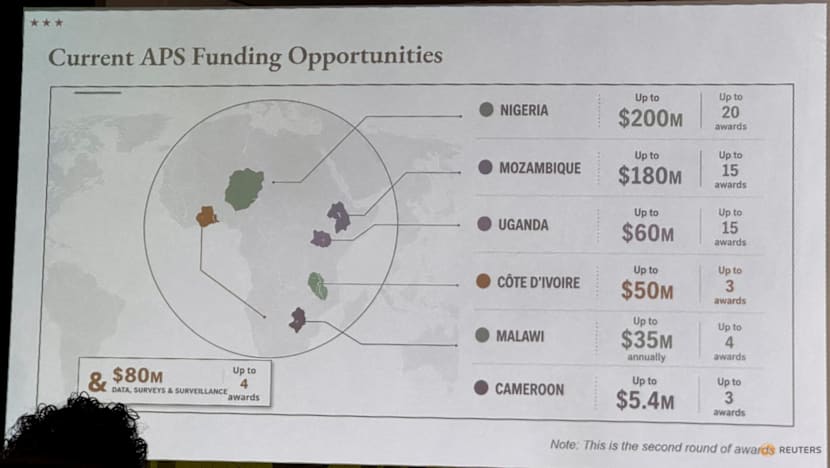
US government presentation map of Africa mislabels countries at global AIDS conference
Multiple outlets report that a map of Africa used in a US government presentation at a global AIDS conference is widely...

Shazam launches first artist sticker pack for Ariana Grande’s new album
Shazam has announced its first artist sticker pack, released through a Shazam app update. The pack is available for free...

Tencent-backed studio ends Lightspeed’s ‘Last Sentinel’ despite years of development
Tencent’s efforts to turn the game “Last Sentinel” into a “Grand Theft Auto”-style title fail, according to reports from...