


Ukraine is reassessing how it regulates exports of domestically produced weapons as it balances frontline demands with concerns about transparency and oversight. Multiple reports say Kyiv has been cautious about allowing local defense manufacturers to sell abroad after years of difficulty equipping a large active-duty force, estimated at about one million personnel. The debate is shaped by concerns that export activities can create opportunities for corruption or weak compliance, including the risk of diversion of weapons and materials to unauthorized parties. Officials are also navigating the use of blacklists and vetting mechanisms intended to prevent sales to sanctioned or otherwise prohibited end users. At the same time, the government faces pressure to ensure weapons production and delivery timelines prioritize battlefield needs, while also maintaining industrial capacity and funding. The reported review focuses on creating a workable arms-export framework that can support domestic industry without undermining supply for the front. While details of specific policy changes are still being worked through, the sources converge on the core challenge: establishing controls that address corruption and compliance risks while meeting urgent operational requirements.
Ukraine reviews arms-export rules amid corruption concerns and frontline procurement needs
Ukraine is reassessing how it regulates exports of domestically produced weapons as it balances frontline demands with concerns about transparency and oversight. Multiple reports say Kyiv has been cau...
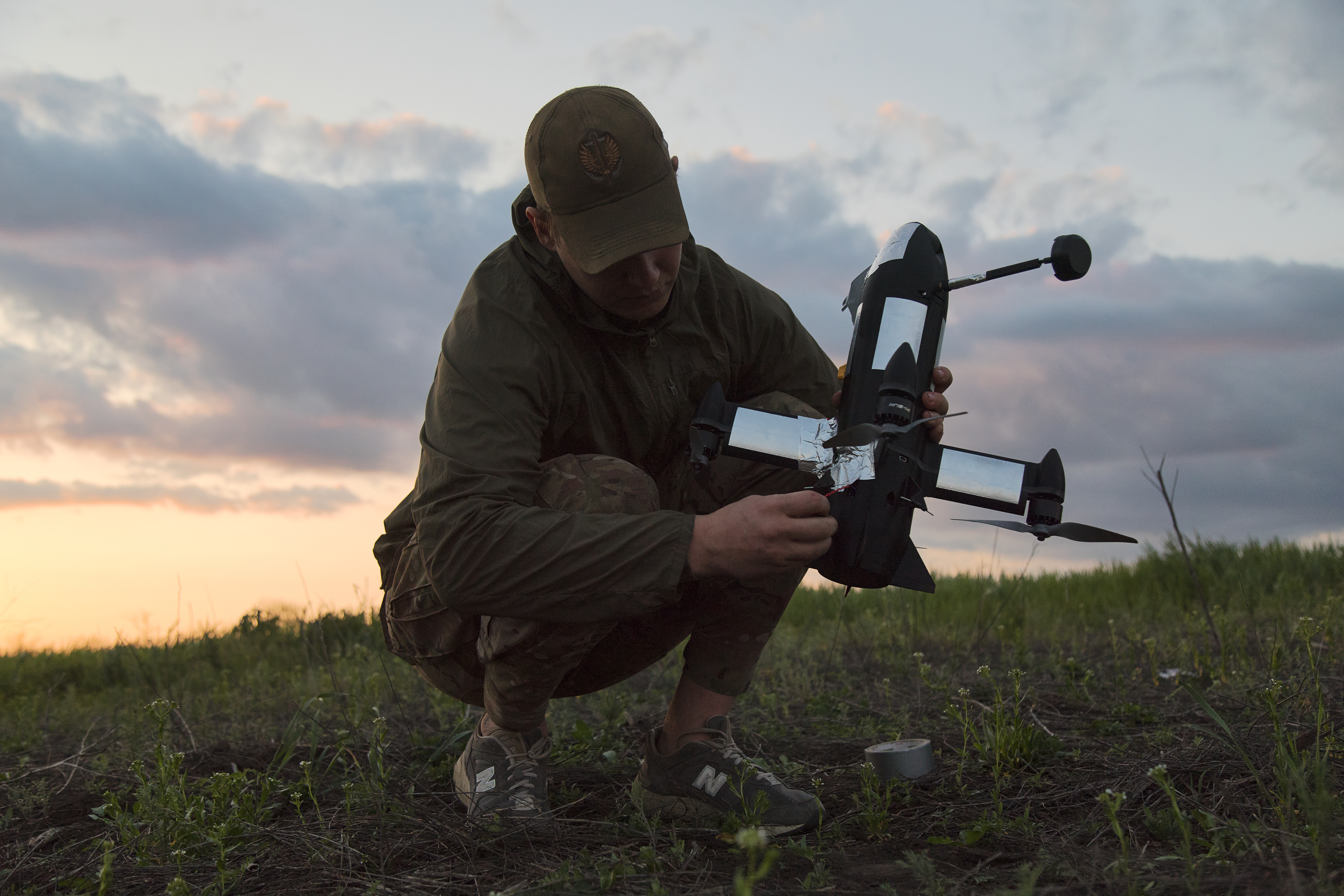
- Ukraine is reviewing its approach to exporting domestically produced arms.
- Kyiv has been cautious about exports due to corruption and compliance concerns.
- Reports cite the use of blacklists and end-user vetting mechanisms as part of oversight.
- Ukraine’s frontline procurement needs remain a central factor in export policy decisions.
- The country’s large active-duty force is described as roughly one million personnel.
After years of struggling to arm its one million active-duty soldiers, Kyiv has been wary of allowing its domestic producers to sell their weapons abroad.
3 months agoAfter years of struggling to arm its one million active-duty soldiers, Kyiv has been wary of allowing its domestic producers to sell their weapons abroad.
3 months ago
Police rescue two Colombian women held captive in Lagos after alleged trafficking plot
Nigeria Police Force operatives rescue two Colombian women held captive in Lagos, after authorities say the women were l...

TestMu AI’s 2026 TestMu Conference highlights progress in agentic engineering and quality
TestMu AI hosts its 2026 TestMu Conference, presented as the company’s flagship event and a milestone for the field of a...

SF Holding reports solid first-half 2026 results, citing international growth and returns
SF Holding reports solid financial performance for the first half of 2026, highlighting progress in international operat...