


Multiple outlets frame Karim Khan’s dismissal from the International Criminal Court (ICC) as a major development with wider implications for how the ICC is viewed and how international law operates. Coverage emphasizes that the dismissal is being interpreted by some as a “turning point” for the court, particularly in debates about whether the ICC applies impartial justice across countries and regions. At the same time, other reporting notes that the decision triggers broader questions about the ICC’s legitimacy, effectiveness, and future role in enforcing international law. The articles also connect the dismissal to ongoing political and legal controversies surrounding the ICC, including concerns that the institution may be perceived as biased or inconsistent. While perspectives differ on what the dismissal means, the common thread across the reporting is that it intensifies scrutiny of the ICC’s conduct and its standing among states and communities, especially those in the Global South. The coverage does not present a single uniform interpretation of the dismissal’s impact, but it consistently portrays it as consequential for the ICC’s next steps and for debates about fairness and international accountability.
Karim Khan dismissal renews debate over ICC impartiality and role in international law
Multiple outlets frame Karim Khan’s dismissal from the International Criminal Court (ICC) as a major development with wider implications for how the ICC is viewed and how international law operates. C...

- Karim Khan is dismissed from the ICC, prompting renewed scrutiny of the court.
- The dismissal is widely described as a significant development for the ICC’s perceived role in international law.
- Some coverage links the decision to concerns about fairness and alleged bias within the ICC.
- The dismissal triggers questions about the ICC’s future legitimacy and effectiveness.
- Commentary around the dismissal focuses particularly on perspectives from the Global South.
Karim Khan's recent dismissal from the ICC is seen as a significant victory for the Global South, highlighting ongoing biases within the court and raising questions about its future role in international law.
4 hours ago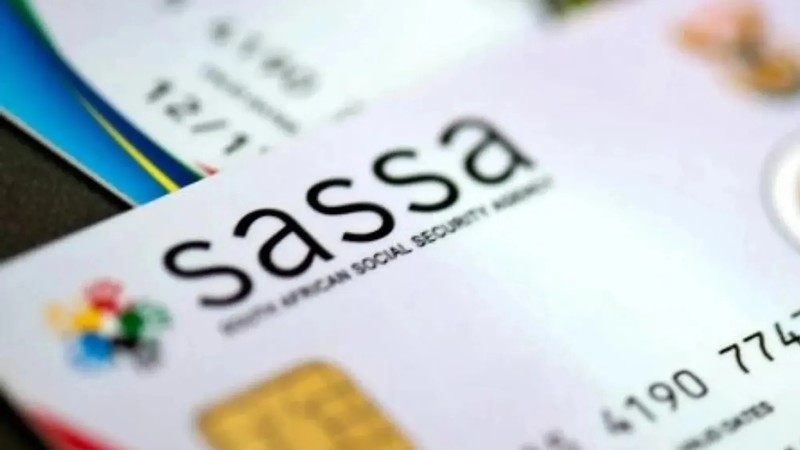
Over 10 million SRD grant applications rejected in 2025/26 financial year
Government reports that more than 10 million applications for South Africa’s Social Relief of Distress (SRD) grant are r...

Princess of Wales’ espadrille wedges reportedly appear in John Lewis sale
Multiple reports say the Princess of Wales’ preferred summer footwear—espadrille wedges—has been listed as part of a sal...

Article Lists Smart Kitchen Gadgets Including Quiet Coffee Machines and Invisible Hobs
Two editions of the Daily Mail publish a lifestyle list of smart and upgraded kitchen products, presenting them as ways...