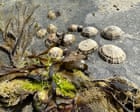
In a country diary piece from Lyme Regis in Dorset, Sara Hudston observes that popular summer beaches can be harmful to wildlife, particularly limpets. She describes how her favourite spot, reached via a steep walkway of many steps down to the shore at low tide, is surrounded by scrub, wild plants and coastal vegetation. From there, visitors encounter shellfish living in the intertidal zone—animals that can be mistaken for rocks or assumed to be dead.
Hudston argues that when children are curious and unfamiliar with live creatures on the shore, limpets may be stepped on or otherwise smashed, especially during periods when beaches are busier. The piece calls for education and awareness so that beachgoers can recognize limpets as living animals and handle the shoreline responsibly.
While focused on one location and seasonal visitor patterns, the central message is that summertime beach activity increases the risk of damage to intertidal shellfish, and that simple knowledge about what is alive on the rocks can help reduce harm.