


Record-low water levels on Bulgaria’s stretch of the Danube River, linked to prolonged heat and insufficient rainfall, expose fossil remains in the riverbed near the village of Ryahovo. Multiple reports describe the find as belonging to a young woolly mammoth (Mammuthus primigenius), identified by the condition and morphology of the bones revealed by the unusually dry conditions. A local resident notices the remains as the water falls, and experts then examine the exposed material. Reported parts include the jaw and tusks, as well as additional elements such as the femur and other major bones from the animal’s skeleton. The discovery adds new information about Ice Age fauna in the region. Scientists say further fieldwork and excavation are likely, as more of the skeleton may remain buried or be revealed as water levels continue to change. The exposed bones are in the Danube’s riverbed, emphasizing how the river’s current low flow conditions make prehistoric remains visible.
Danube at record lows exposes remains of young woolly mammoth in Bulgaria
Record-low water levels on Bulgaria’s stretch of the Danube River, linked to prolonged heat and insufficient rainfall, expose fossil remains in the riverbed near the village of Ryahovo. Multiple repor...

- The Danube in Bulgaria reaches record-low water levels due to heat and lack of rainfall.
- Exposed bones are found in the riverbed near the village of Ryahovo.
- Experts identify the remains as those of a young woolly mammoth (Mammuthus primigenius).
- Reported fossil parts include the jaw and tusks, as well as bones such as the femur.
- Further excavation is planned because more of the skeleton may be buried.
Record-low water levels have exposed the bones of a large mammoth in the riverbed near the village of Ryahovo in Bulgaria. Experts believe it is a woolly mammoth (Mammuthus primigenius).
6 hours agoExtreme drought along Europe's Danube River revealed fossilized remains of a young woolly mammoth. Low water levels exposed parts of the riverbed, allowing a local resident to spot the bones. Scientists identified the jawbone, tusk, shoulder blade, and femur from the Ice Age creature. This significant find offers insights into the region's prehistoric past and Ice Age fauna. Further excavations are planned as more of the skeleton may lie hidden.
23 hours ago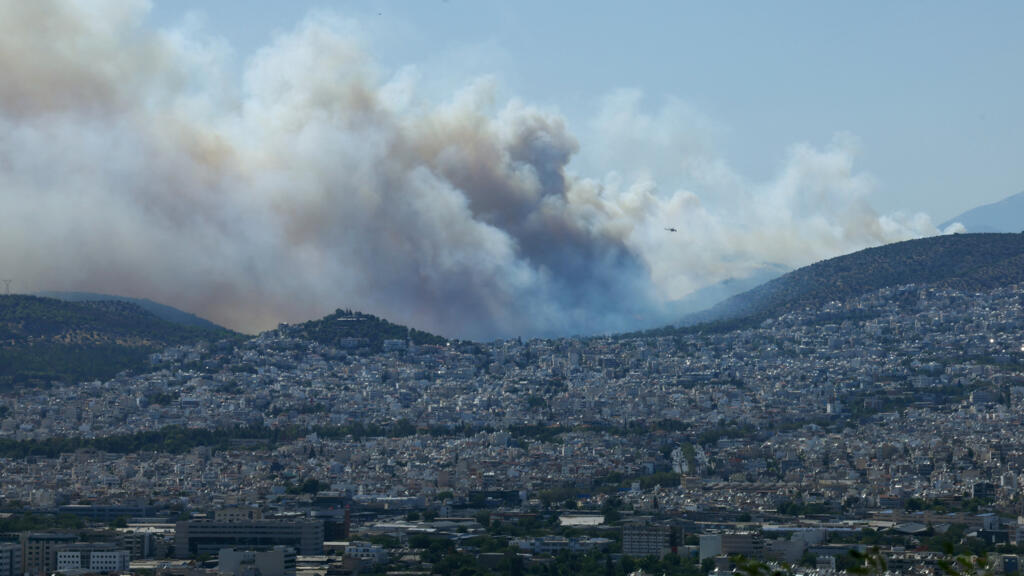
Wildfires burn across Greece while France and Spain continue firefighting
Wildfires continue to affect several parts of southern Europe, with Greece facing blazes across multiple locations and F...
IMF says Guyana’s economy remains among the world’s fastest growing
The International Monetary Fund (IMF) says Guyana’s economy continues to rank among the world’s fastest-growing economie...

South Africa warns youth about fake overseas job scams using social media
South Africa’s Department of Social Development warns that young people are being targeted by fake overseas job offers p...