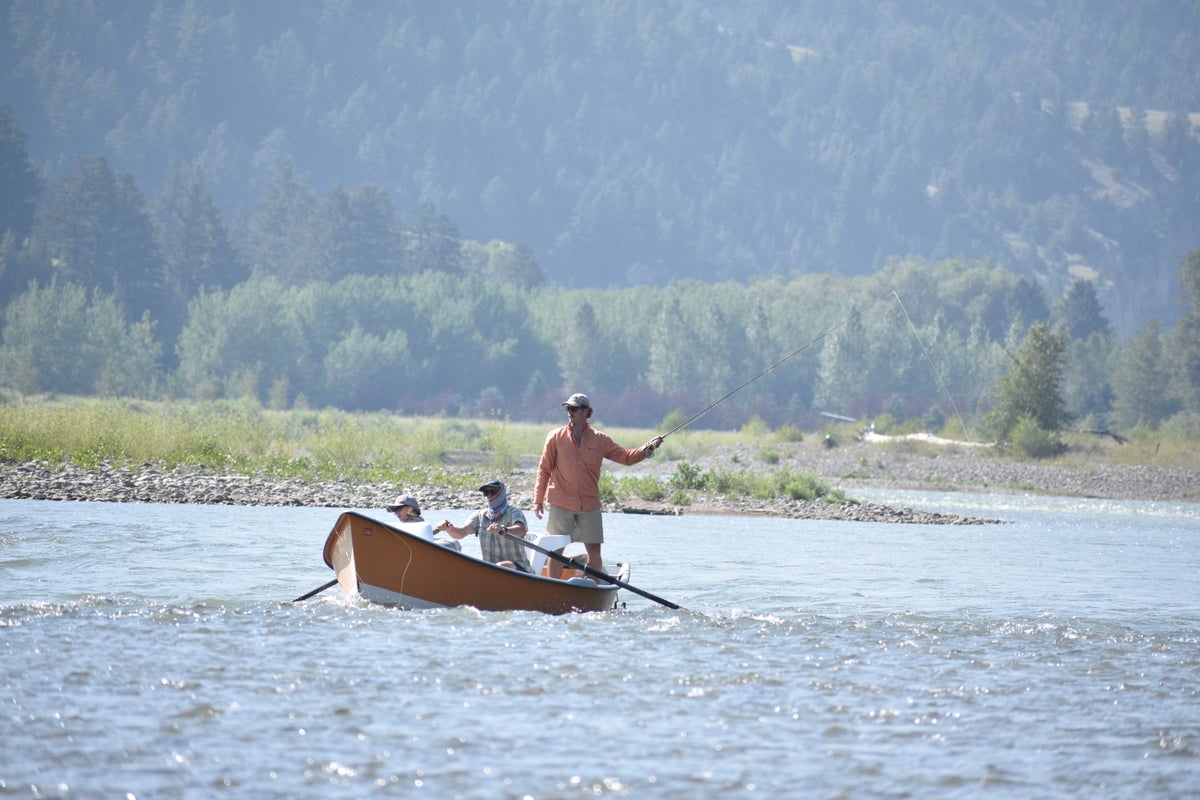
Multiple outlets report that sustained record-breaking heat in the U.S. West is warming rivers and leading to increasingly frequent fishing closures. The primary issue is that some fish, particularly trout, depend on cool water to survive and to maintain healthy conditions. As summer temperatures rise, water temperatures in parts of these river systems reach levels described as dangerous or lethal for fish, reducing their ability to cope with heat stress. In response, resource managers and state agencies impose closures to protect fish populations and limit additional strain from angling pressure during critical periods.
The reporting characterizes these closures as becoming routine, suggesting a pattern emerging as heat intensifies and warm-water conditions persist. While details on specific rivers, jurisdictions, and closure lengths are not provided in the supplied excerpts, the overall message across sources is consistent: unusually hot weather elevates river temperatures, and authorities respond by restricting fishing to reduce harm to trout and other sensitive species.