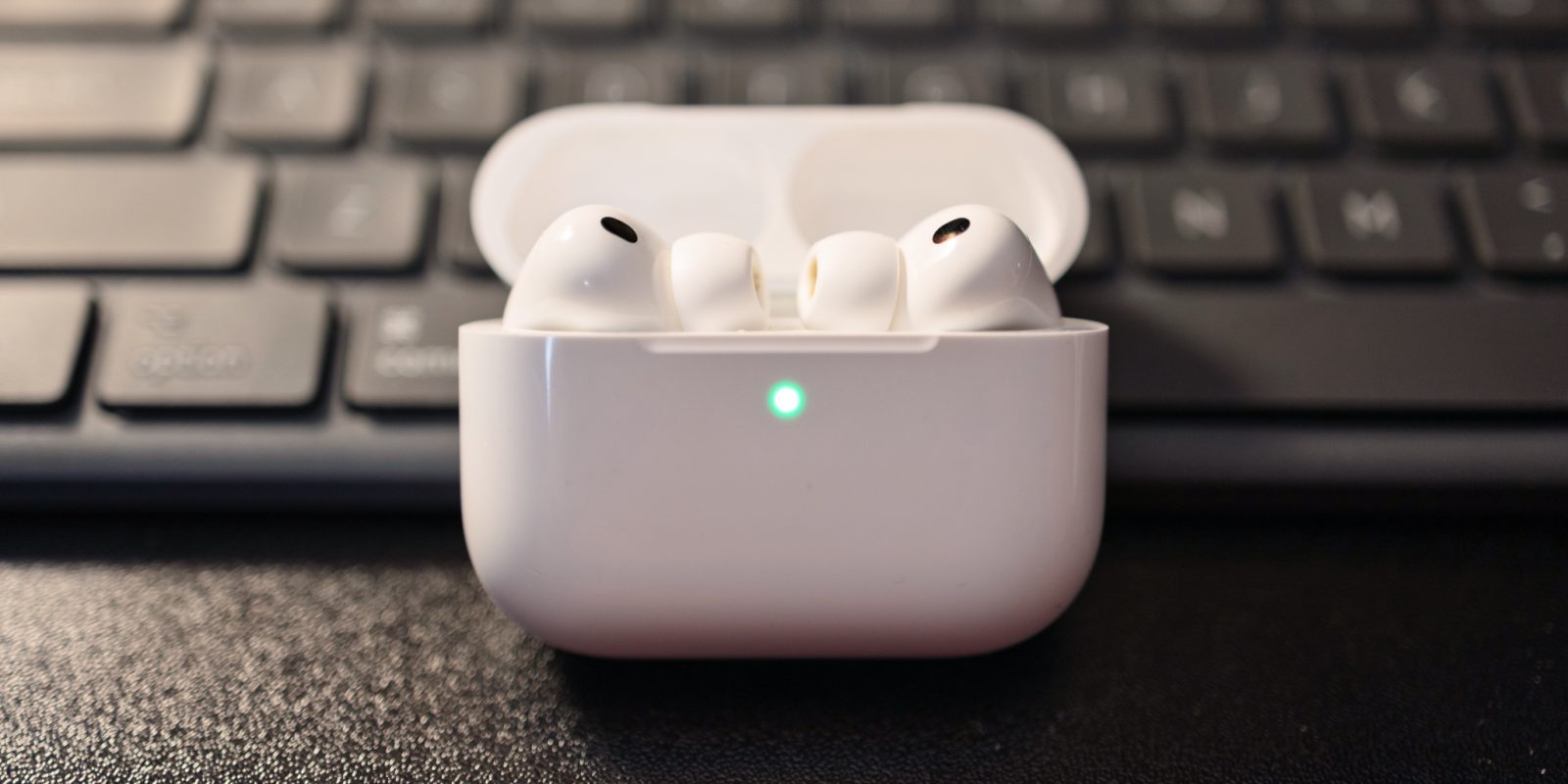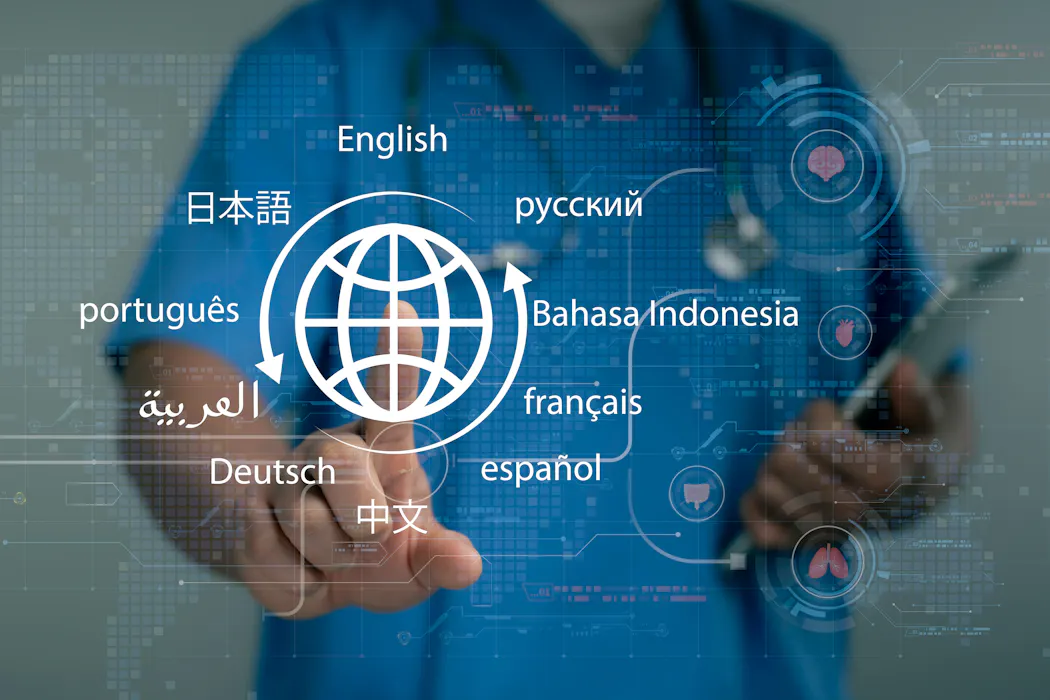
AI-powered speech translation systems are becoming faster and more fluent, letting users speak into a phone and see or hear a translation within seconds. Multiple outlets note that this improved performance makes cross-language communication more convenient and can reduce delays that previously made real-time translation difficult. However, all sources emphasize that fluency alone does not ensure comprehension. Accurate translation of individual words and sentences is only one part of communication; meaning also depends on context, speaker intent, cultural references, and how the translated output matches the listener’s expectations and knowledge.
As AI translation grows more natural-sounding, misunderstandings can still occur when systems misinterpret context, handle ambiguity poorly, or fail to convey pragmatic meaning—such as politeness, emphasis, or implied information. The reports collectively suggest that effective communication requires attention to factors beyond linguistic substitution, including shared context between speakers and how translations are used in real-world settings.