


Reports citing Gulf officials and analysts say Iran is widening its pressure campaign in an effort to compel U.S. concessions. The strategy is described as using pressure points across the Middle East, including major trade routes, shipping lanes, and energy infrastructure. Rather than aiming for a single decisive military outcome, Tehran is portrayed as pursuing “calibrated escalation,” a step-by-step approach intended to expand tensions while lowering the risk of triggering a full-scale war. According to the analysis, Iran is effectively trying to raise the overall cost of confrontation over time, banking on the idea that it can endure longer than Washington. Gulf officials and analysts referenced in the coverage describe the campaign as part of a broader effort to influence U.S. policy by increasing operational and economic pressure in the region. The accounts emphasize that the approach is focused on sustained leverage rather than immediate battlefield victory. The coverage does not provide detailed, independently verified operational specifics in the text provided, but it consistently frames the campaign as a widening effort to apply incremental pressure to force negotiations or adjustments from the United States.
Iran expands pressure campaign targeting regional trade, shipping and energy routes
Reports citing Gulf officials and analysts say Iran is widening its pressure campaign in an effort to compel U.S. concessions. The strategy is described as using pressure points across the Middle East...
- Iran is widening a pressure campaign aimed at forcing U.S. concessions.
- The approach targets regional trade routes, shipping lanes, and energy infrastructure.
- The strategy is described as calibrated escalation rather than seeking a decisive military victory.
- Gulf officials and analysts say Iran is trying to raise the cost of confrontation over time.
- The campaign is portrayed as designed to avoid triggering full-scale war.
By Samia NakhoulBEIRUT, Aug 3 (Reuters) - Iran is betting it can outlast Washington by turning the Middle East's trade routes, shipping lanes and energy infrastructure into pressure points that steadily raise the cost of confrontation, according to Gulf officials and analysts.Rather than seeking a decisive military victory, Tehran is pursuing a strategy of calibrated escalation aimed at widening the conflict without triggering full-scale war.
2 hours ago
Bitget to exit Japan, restricting accounts and closing positions by Dec. 31
Crypto exchange Bitget says it will exit Japan and close its remaining operations in the country by the end of the year....
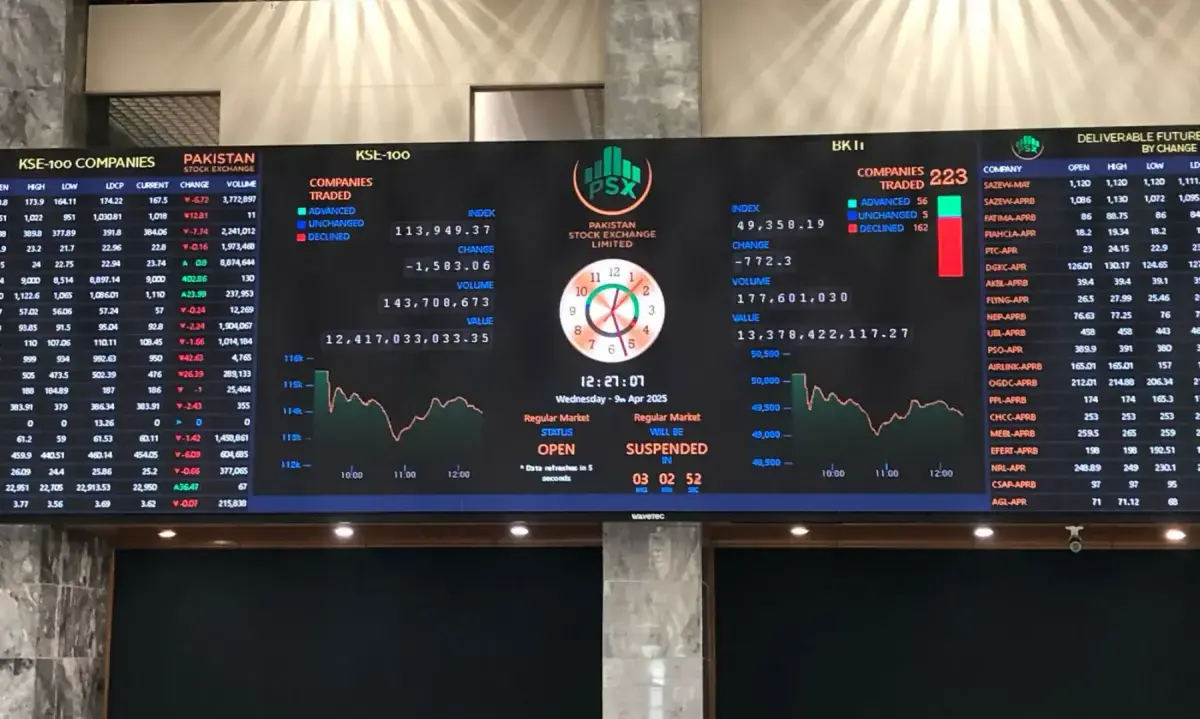
PSX sees sharp swings as US-Iran tensions drive oil prices and investor sentiment
Pakistan’s stock market, the KSE-100 index on the PSX, experiences large, fast-moving declines and rebounds over multipl...
US makes visa bond program permanent for people from dozens of countries
The United States makes a visa bond program permanent for travelers from dozens of countries, according to multiple repo...