


Multiple outlets discuss research on tropical butterflies—especially Heliconius species—that can live far longer than typical butterflies. The Conversation notes that these butterflies feed on pollen rich in proteins and suggests this diet may be linked to slower aging. Phys.org likewise highlights that certain tropical butterflies show unexpectedly long lifespans and asks whether their unusually high-protein intake plays a role. Across the coverage, the central idea is that longevity in these insects may be associated with dietary composition, particularly the protein content of the pollen they consume. The articles frame the question as ongoing scientific investigation rather than a definitive conclusion, pointing to the possibility that nutrition could influence health and aging. While the sources emphasize the striking longevity and the high-protein pollen diet, they do not present a single, universally accepted explanation in the provided excerpts. Overall, the reporting focuses on the relationship between diet and longevity in tropical butterflies, with Heliconius butterflies highlighted as a key group for further study.
Study explores why some tropical butterflies live unusually long lives
Multiple outlets discuss research on tropical butterflies—especially Heliconius species—that can live far longer than typical butterflies. The Conversation notes that these butterflies feed on pollen...
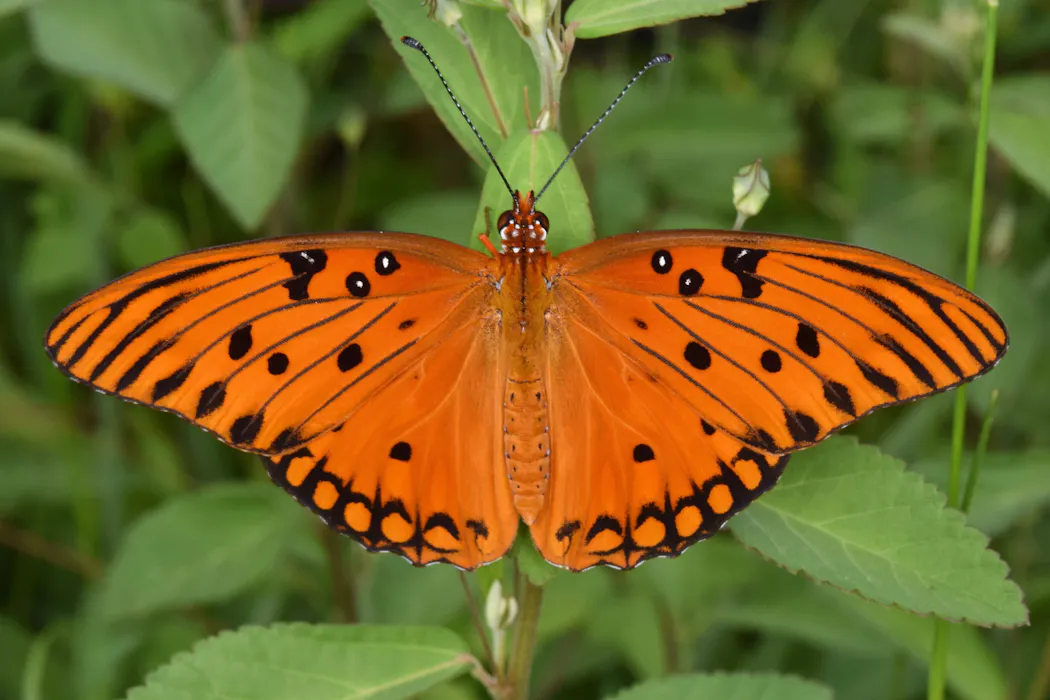
- Some tropical butterflies, including Heliconius species, live significantly longer than expected.
- Research coverage focuses on Heliconius butterflies’ pollen-based diet.
- Heliconius butterflies consume pollen that is relatively high in protein.
- The reports suggest high-protein pollen may be linked to slower aging.
- The diet-longevity connection is presented as an investigated possibility rather than a confirmed cause.
Butterflies are charismatic, colorful and cherished around the world. One of the most diverse groups of insects, with more than 19,000 described species, they inspire international organizations such as the North American Butterfly Association and the Xerces Society, as well as countless websites devoted to their identification, monitoring and natural history.
2 hours agoHeliconius butterflies eat high-protein pollen and seem to age well.
6 hours ago
Major retailer ordered to repay €8.87m in Covid wage subsidy claims
A major Irish retailer is ordered to repay €8.87 million to the Revenue Commissioners after losing a challenge related t...

Aung San Suu Kyi meets International Committee of the Red Cross after years in detention
Myanmar’s detained former leader Aung San Suu Kyi meets with a representative of the International Committee of the Red...

Vikings QB battle continues as Kyler Murray and J.J. McCarthy split first-team reps in camp
Minnesota’s quarterback competition is underway at training camp, with Kyler Murray and J.J. McCarthy receiving first-te...