


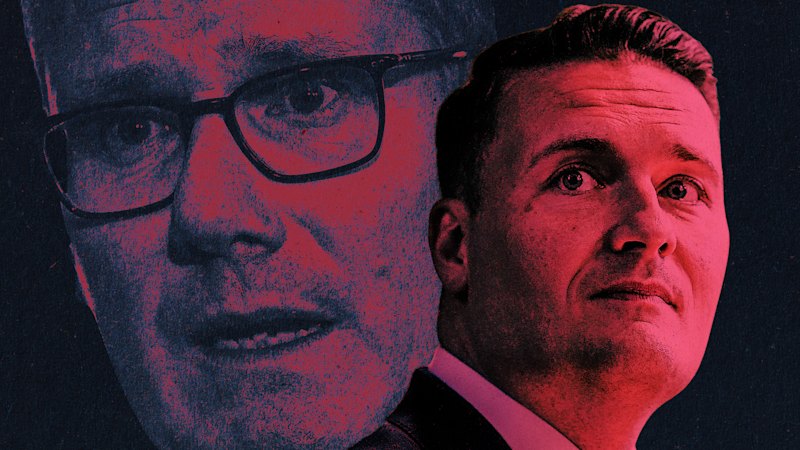
Multiple outlets report that Labour’s internal conflict involving potential leadership contenders continues, with commentary suggesting the disputes are unlikely to resolve broader governance challenges facing the UK. Coverage characterises the contest around Prime Minister Keir Starmer’s role as a period of factional tension, in which would-be leaders present competing plans for handling the country’s economic and political difficulties. However, the articles argue that the leadership rivals are also implicated in the conditions driving public concern, pointing to ongoing dysfunction within the party as a factor that may limit Labour’s ability to project unity and effectiveness.
While the pieces focus on the implications of Labour’s infighting, they do not present a single agreed solution among the candidates. Instead, they describe a field of contenders who each claim policy answers to the “unfolding crisis,” contrasted against the view that internal strife is undermining Labour’s credibility and capacity to act. Overall, the reporting frames the leadership turmoil as occurring alongside wider UK pressures, with scepticism about whether the leadership process will translate into improved outcomes for voters.


