


China’s long-running trade surplus and a relatively weak yuan are driving debate among economists over what Beijing should do next. Most accounts agree on the basic facts: China produces more than it consumes and therefore maintains a persistent surplus in its external trade. Where opinions diverge is the emphasis and method of any “fix.” Some economists argue for policy steps that directly address the currency, suggesting that changes in the yuan’s value could help narrow trade imbalances. Others contend that focusing on exchange rates is insufficient without deeper structural reforms within China’s economy. These analysts point to domestic factors such as production and consumption patterns, competitiveness, and the broader economic framework as key drivers of the surplus. The dispute therefore centers on whether Beijing should prioritize a stronger yuan as the primary lever or instead undertake structural measures that would shift demand and reduce reliance on export-led growth. Overall, outlets describe a wider disagreement about the balance between near-term currency adjustments and longer-term reforms.
Economists spar over how China should address persistent trade surplus and yuan weakness
China’s long-running trade surplus and a relatively weak yuan are driving debate among economists over what Beijing should do next. Most accounts agree on the basic facts: China produces more than it...
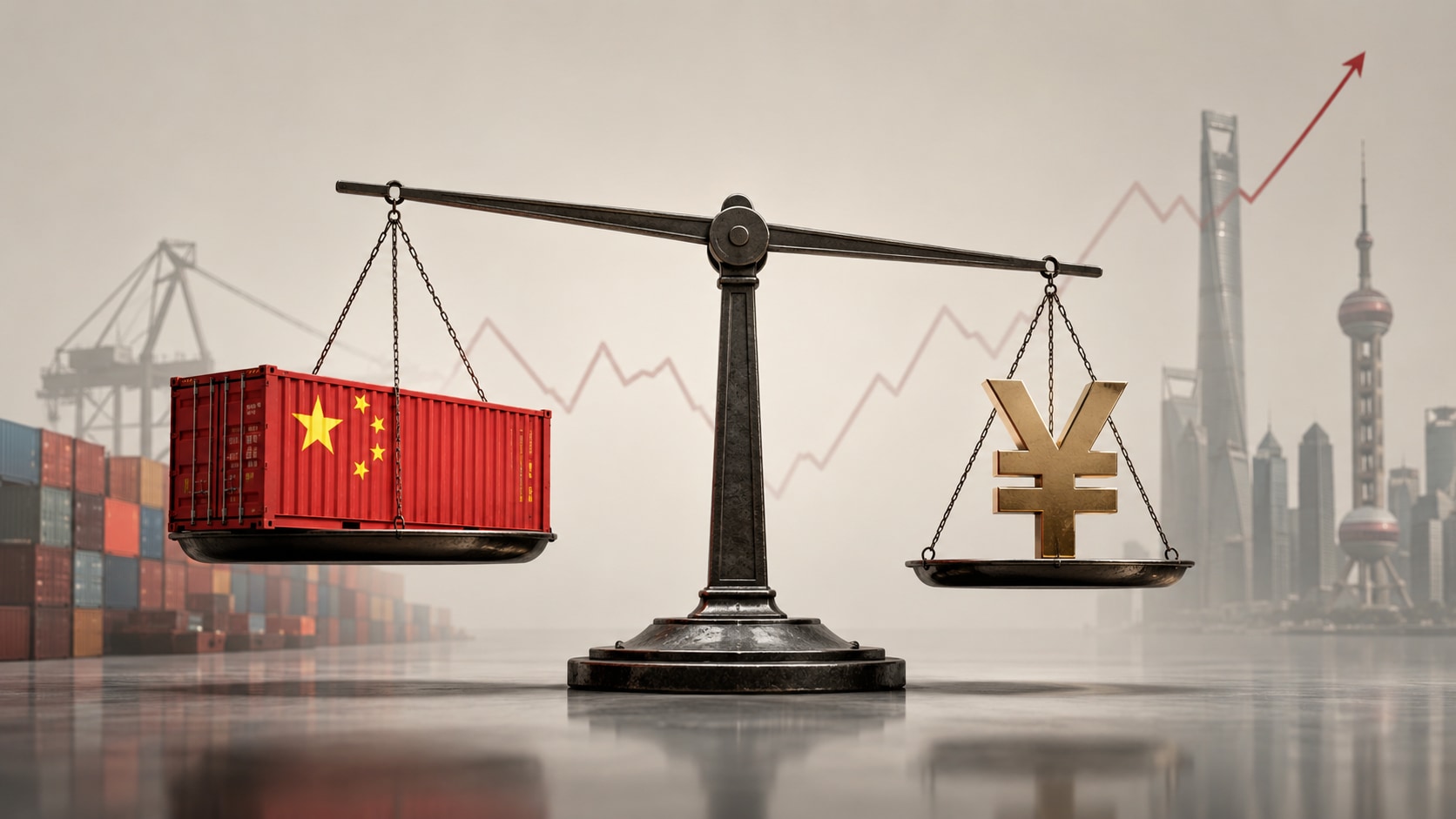
- China runs a persistent trade surplus because it produces more than it consumes.
- Economists broadly agree the trade imbalance exists.
- Debate centers on whether a stronger yuan should be the main policy response.
- Some economists argue structural economic reforms are necessary beyond currency changes.
- Different views focus on the timing and role of exchange-rate policy versus domestic reform.
China produces more than it consumes and runs a persistent trade surplus. Economists agree on the imbalance, but a stronger yuan versus structural reform has opened a deeper debate over how Beijing...
4 hours agoChina produces more than it consumes and runs a persistent trade surplus. Economists agree on the imbalance, but a stronger yuan versus structural reform has opened a deeper debate over how Beijing should respond.
6 hours ago
Kelly Osbourne posts cryptic messages after ex Sid Wilson’s Slipknot departure
Kelly Osbourne, 41, posts cryptic messages on social media that appear to reference her ex-fiancé, Sid Wilson, 49, after...

LIC shares fall after government launches ₹31,000 crore OFS selling up to 6.5% stake
LIC shares decline after the Indian government launches an offer for sale (OFS) to reduce its stake in the state-owned i...

South Africa proposes draft rules for cross-border crypto transactions
South Africa’s lawmakers have proposed draft regulations governing cross-border cryptocurrency transactions. The proposa...