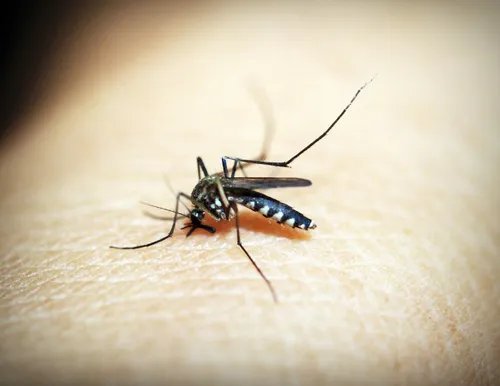
A new study concludes that climate change is likely to reshape where malaria transmission occurs across Africa, potentially increasing exposure in areas that are currently cooler. The research, published in Nature, finds that by the end of the century malaria risk could rise in parts of Africa, including coastal southern regions, where cases could increase as much as 20%. The findings point to the role of shifting temperatures and rainfall patterns in expanding the range of conditions that allow malaria transmission.
The broader context is the continued high burden of the disease. The World Health Organization estimates that malaria caused about 579,000 deaths in Africa in 2024, with roughly three-quarters of those deaths among children under five. Taken together, the study and the WHO figures highlight the potential for climate-driven changes in transmission to affect public health planning, including where prevention and control efforts may need to be focused in the future.