


New research examines how social vulnerability evolves in communities after tropical cyclones. Across impacted areas, the study finds that the social vulnerability index typically rises at first after the storm, reflecting immediate disruption and increased hardship. As disaster response efforts begin, the research reports that communities generally recover in ways that reduce social vulnerability. The analysis suggests that areas with fewer resources before the cyclone experience higher vulnerability to outside stresses and related consequences, including insecurity affecting housing and health. While the overall pattern shows decreasing vulnerability after response starts, the work also indicates there is a “catch”: the improvement does not necessarily return vulnerability to pre-storm conditions in a straightforward way. Instead, the trajectory reflects a transition from acute post-disaster impacts toward partial recovery, with residual effects that can persist. The findings are published in GeoHealth and are reported by outlets summarizing work by Jiang and colleagues.
Study tracks social vulnerability changes after tropical cyclones
New research examines how social vulnerability evolves in communities after tropical cyclones. Across impacted areas, the study finds that the social vulnerability index typically rises at first after...
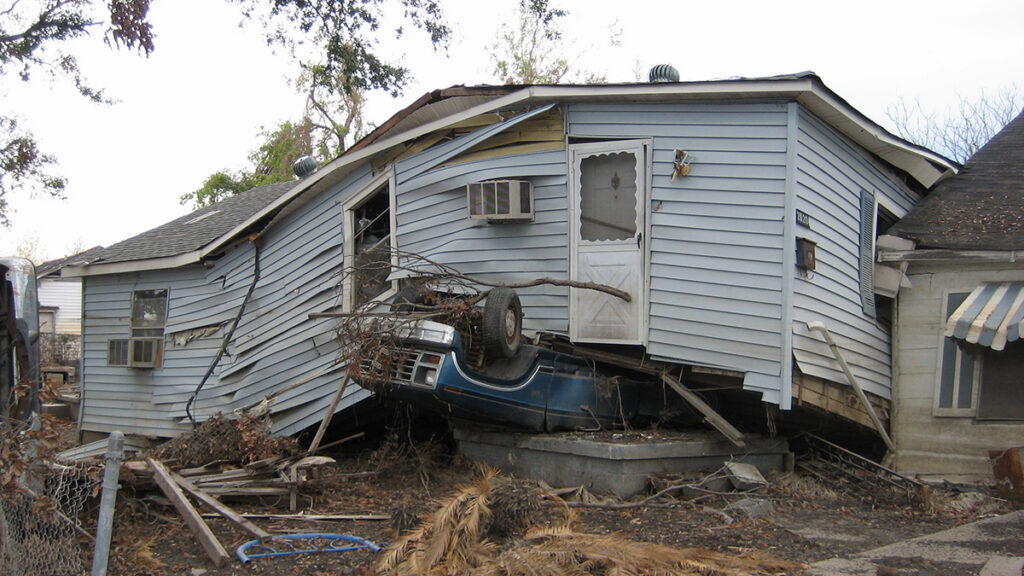
- Researchers analyze how a social vulnerability index changes after tropical cyclones.
- Social vulnerability typically increases initially following the cyclone.
- Once disaster response begins, communities generally become less socially vulnerable than immediately after the storm.
- Communities with fewer resources beforehand are more vulnerable to additional external stress.
- The decrease after response comes with lingering impacts that prevent a simple return to earlier conditions.
After tropical cyclones, communities are often left in upheaval. Those that had few resources to begin with tend to be especially vulnerable to external stresses, and people often experience homelessness, health problems and other forms of insecurity as a result. But once the disaster response gets underway, communities recover and tend to become less socially vulnerable than they were before the disaster, new research by Jiang and team suggests. The findings are published in the journal GeoHealth.
4 hours agoAn initial rise in the social vulnerability index is followed by a decrease, but that decrease comes with a catch.
11 hours ago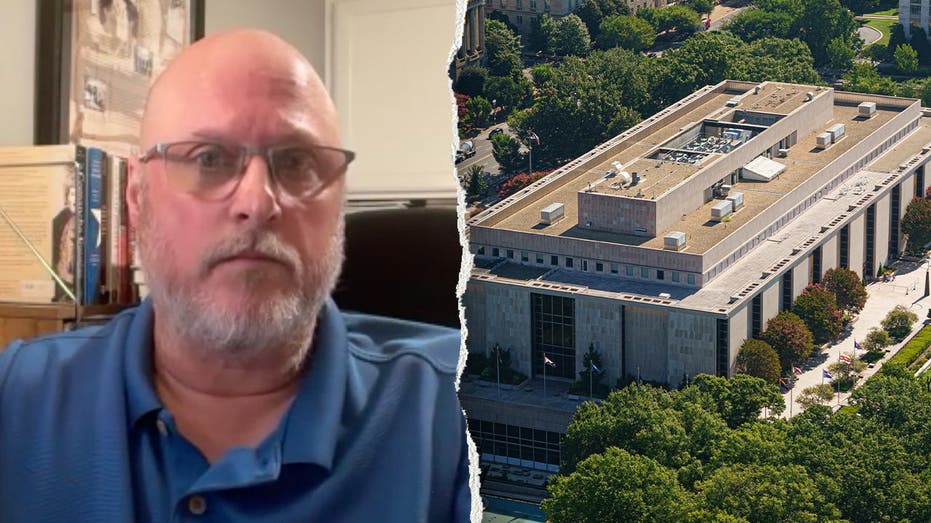
Historian criticizes Smithsonian’s museum focus after first visit in over a decade
Historian Dr. Jody Edward Ginn says the Smithsonian National Museum of American History has changed in ways he views as...

Discarded SpaceX Falcon 9 stage set for accidental Moon impact Wednesday
A discarded upper stage from a SpaceX Falcon 9 rocket is scheduled to unintentionally collide with the Moon on Wednesday...
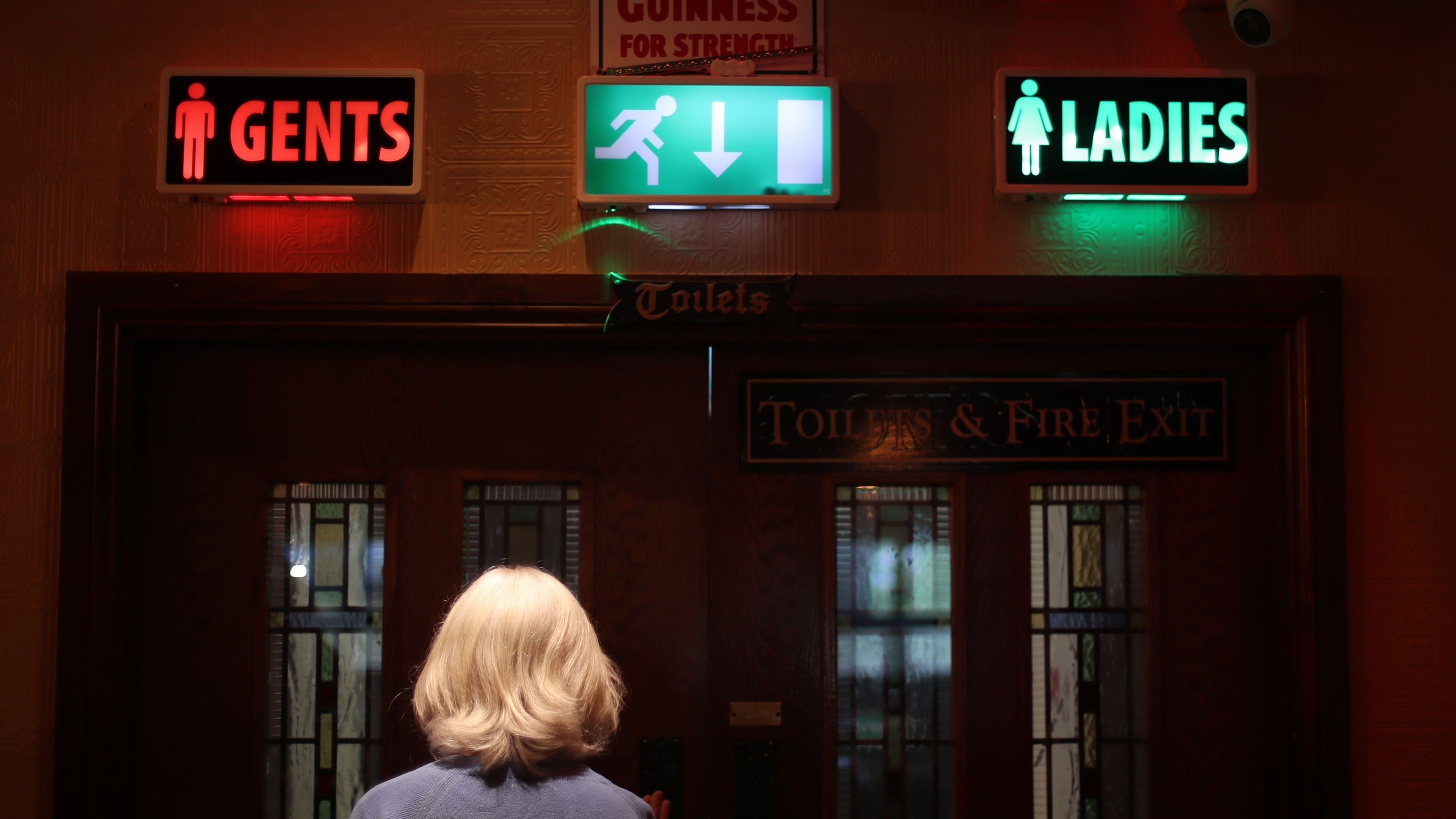
Single-sex spaces code takes effect more than a year after Supreme Court ruling
A single-sex spaces code comes into force more than a year after a Supreme Court ruling, according to multiple outlets....