


Calls to “decolonize economics” argue that the discipline’s widely taught ideas are often presented as universal but come from a limited historical and geographic context. The Conversation and Phys.org both describe economics as influencing everyday life, including prices consumers face and government policy decisions. They say that mainstream concepts taught as general principles have not been sufficiently scrutinized for how they reflect particular origins rather than broader global experiences. The decolonial perspective, as described in both sources, involves questioning foundational assumptions about how development works, how markets operate, and why inequality persists. Rather than accepting standard frameworks as neutral, supporters argue these approaches need reevaluation in light of colonial histories and their continuing effects. Both outlets also frame decolonizing economics as not only critique but also imagination—encouraging economists to consider alternative theories and methods that better account for diverse contexts and knowledge traditions. Overall, the coverage focuses on examining where economic ideas come from and widening the intellectual foundations of the field.
Calls to decolonize economics challenge core assumptions and propose new approaches
Calls to “decolonize economics” argue that the discipline’s widely taught ideas are often presented as universal but come from a limited historical and geographic context. The Conversation and Phys.or...

- Economics influences everyday outcomes such as prices and government policies.
- Critics say many core economic ideas are treated as universal despite arising from a narrow historical context.
- The decolonial lens involves questioning assumptions about development, markets, and inequality.
- Both sources argue that mainstream frameworks have rarely been examined for colonial influences.
- Decolonizing economics includes imagining new approaches, not only critique.
Economics shapes many aspects of our daily lives, from the prices we pay to the policies governments adopt. Yet many of the ideas taught as universal principles of economics emerged from a narrow historical context and have rarely been examined through a decolonial lens.
4 hours agoCalls to decolonize economics challenge the discipline’s foundational assumptions about development, markets and inequality.
13 hours ago
Iran and Oman near deal on managing Strait of Hormuz amid US-Iran tensions
Iran and Oman are holding talks on management arrangements for the Strait of Hormuz, with Iranian officials saying negot...
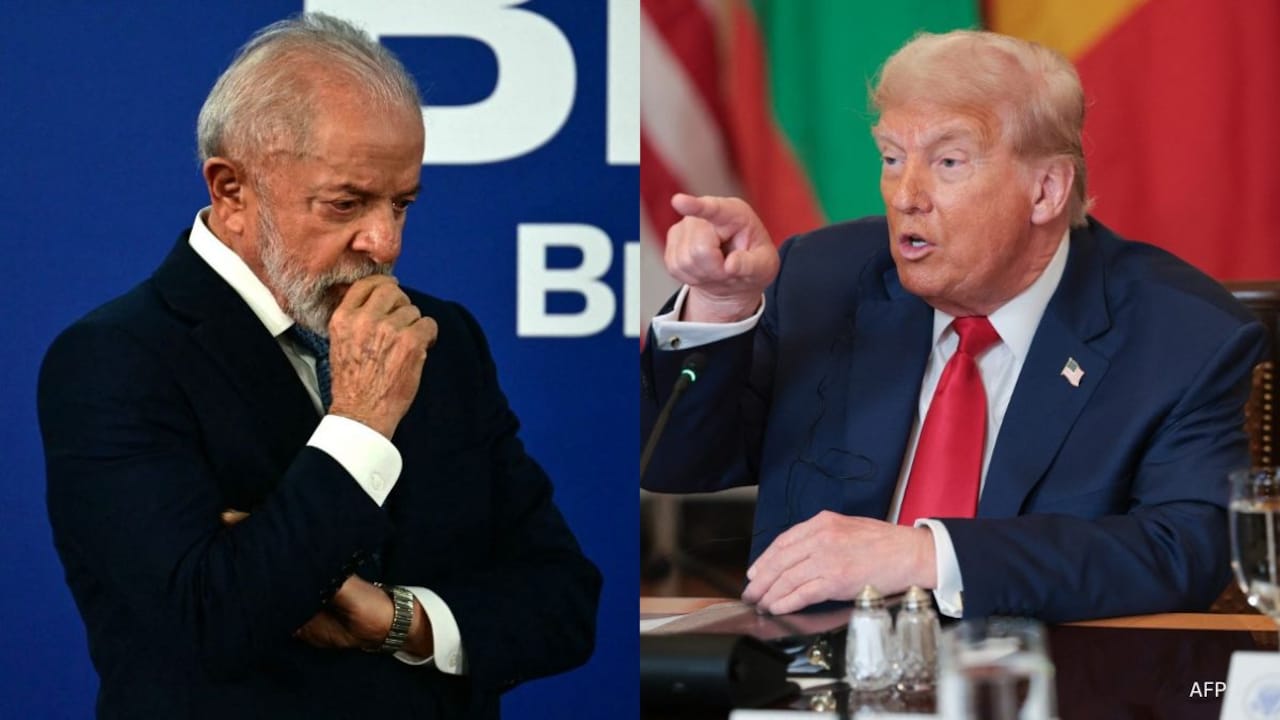
US revokes visa of Brazil’s ambassador amid widening dispute with President Lula
The Trump administration revokes the visa of Brazil’s ambassador to the United States, escalating a diplomatic dispute w...

Astros beat Blue Jays 7-2 as Taylor Trammell homers and Jose Altuve drives in runs
The Houston Astros defeat the Toronto Blue Jays 7-2 in a game highlighted by a Taylor Trammell home run and two RBI from...