


A reader reports receiving a TV Licensing letter claiming they watched BBC iPlayer without a valid TV licence, despite saying they do not watch live TV and do not know what iPlayer looks like or how to use it. According to the accounts, the letter states that the recipient is being targeted for payment based on an assumption of iPlayer viewing, and the reader describes the experience as repeated pressure to pay the licence fee. The articles focus on the reader’s confusion and the steps they want to take in response, framing the situation as an example of why some people may receive enforcement correspondence even when they believe they have not watched iPlayer. Both sources present the same core claim: the individual receives a letter from TV Licensing referencing alleged iPlayer activity and seeks advice on what they can do to resolve the matter. The coverage does not provide outcomes or verification of the alleged viewing; it centers on the complaint and the process the reader is asking about after receiving the demand.
Reader says TV Licensing sent demands after alleged BBC iPlayer use
A reader reports receiving a TV Licensing letter claiming they watched BBC iPlayer without a valid TV licence, despite saying they do not watch live TV and do not know what iPlayer looks like or how t...

- The reader says TV Licensing sent them a letter claiming alleged BBC iPlayer viewing without a licence.
- The reader says they do not watch live TV and do not know how to use iPlayer.
- Both reports present the same allegation from TV Licensing and the reader’s stated confusion.
- The articles describe the correspondence as pressure to pay the TV licence fee.
- No confirmed resolution or evidence of viewing is provided in the reports.
TV licensing sent me a letter saying I watched BBC iPlayer without a licence. But I don't know what iPlayer looks like, never mind how to use it...
1 day agoTV licensing sent me a letter saying I watched BBC iPlayer without a licence. But I don't know what iPlayer looks like, never mind how to use it...
1 day ago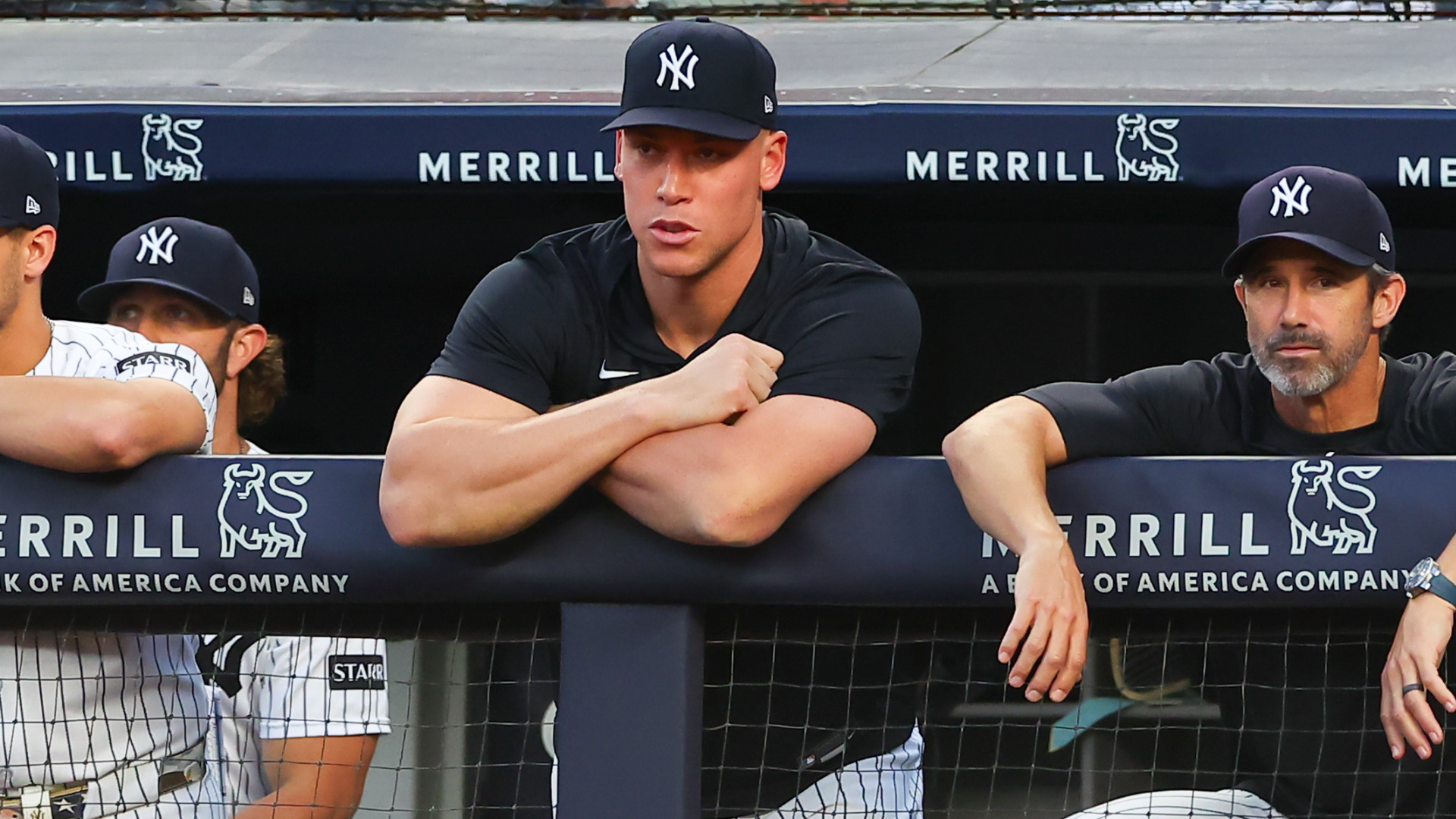
Aaron Judge cleared for light activity as Yankees continue rib injury rehab
New York Yankees captain Aaron Judge is cleared to begin light physical activity as he continues recovery from a rib inj...

Florida Pastor Timothy Chaneyfield Accused of Sexual Abuse and HIV Disclosure Violations
Florida officials allege that Timothy Chaneyfield, 42, sexually abused a 14-year-old boy and failed to disclose that he...

Fifth person dies after fiery head-on outback highway crash
A head-on collision between two cars on an outback highway has resulted in five deaths, with authorities confirming the...