


Australia is facing a new outbreak of highly pathogenic avian influenza (H5N1), with detections reported in wild birds across the mainland. According to reporting cited by Phys.org, as of Monday the virus has been found in 78 wild birds, and officials had not previously identified evidence of a large-scale outbreak. Separately, The Conversation discusses why this H5N1 strain is considered especially threatening to wildlife, including marine mammals, drawing on broader evidence from outbreaks elsewhere. The article notes that H5N1 can affect multiple animal groups beyond birds, and that seals and other marine mammals can be vulnerable when the virus spreads through food chains or environmental exposure linked to infected birds. Together, the sources frame the current Australian detections as an escalating development and emphasize the potential for impacts that extend beyond birds if the virus spreads further. Both pieces also implicitly point to the need for careful monitoring and preparedness, given the known risks associated with H5N1.
Australia reports H5N1 bird flu in wild birds as experts warn of wider wildlife risks
Australia is facing a new outbreak of highly pathogenic avian influenza (H5N1), with detections reported in wild birds across the mainland. According to reporting cited by Phys.org, as of Monday the v...
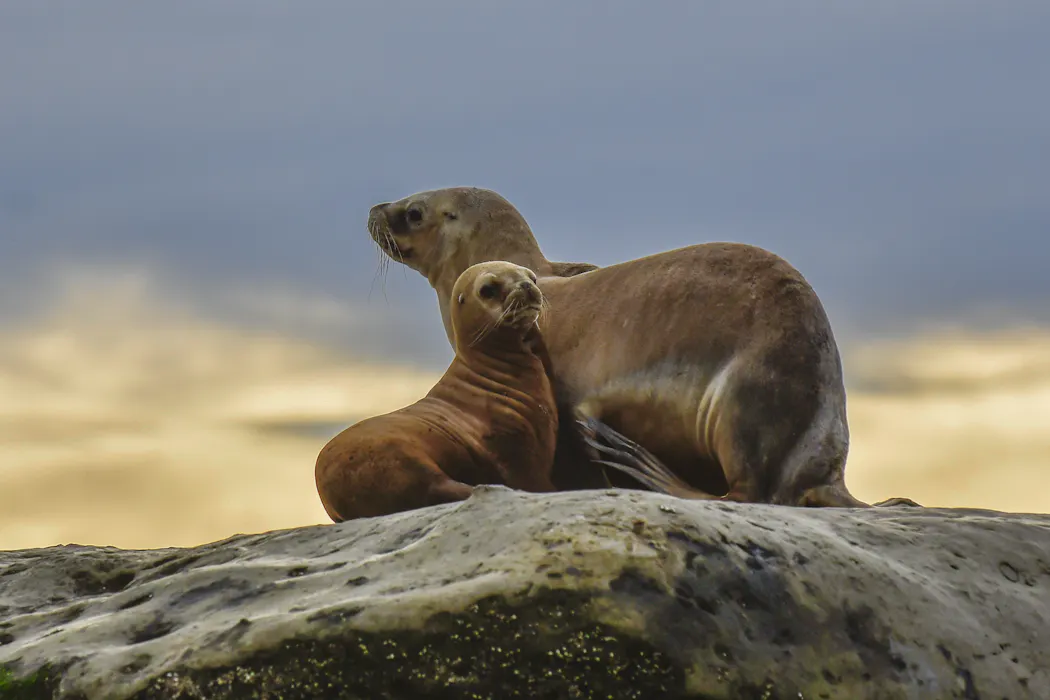
- Australia reports highly pathogenic H5N1 detections in wild birds across the mainland.
- The virus has been detected in 78 wild birds as of Monday, according to Phys.org.
- Prior to these reports, there was no evidence in Australia of a large-scale H5N1 outbreak.
- Experts describe H5N1 as a serious threat to wildlife, including marine mammals such as seals.
- The Conversation discusses broader reasons H5N1 can spread beyond birds, raising concern for wider animal impacts.
Australia is now confronting an outbreak of a deadly bird flu strain. As of Monday, the highly pathogenic H5N1 virus had been detected in 78 wild birds across mainland Australia. Until now, there had been no evidence of a large-scale outbreak.
3 hours agoAn expert explains why the H5N1 strain is such a threat to seals worldwide.
19 hours ago
Mudryk doping ban resolved: Chelsea winger cleared to return to football
Chelsea’s winger Mykhailo Mudryk is cleared to return to play after a doping case involving the prohibited substance mel...

Infantino holds emergency FIFA meeting in Rabat amid growing resignation pressure
FIFA president Gianni Infantino calls an emergency meeting of senior FIFA officials in Rabat, Morocco, as pressure build...

Manchester United Women appoint Eva Olid as new head coach
Manchester United Women are set to appoint Eva Olid as their new head coach, following the departure of Marc Skinner. Mu...