


Netflix releases “Big Chicken: A Fast Food Conspiracy,” a documentary in which comedian Mo Gilligan follows a chicken-shop diet for 28 days to examine the “dark side” of a large fast-food and poultry industry. Across the period, he eats large quantities of fried chicken while investigating how the industry operates, including how chickens are reared and the broader impacts of industrial farming. In the film, Gilligan’s experiment shows physical and mental effects: after roughly 84 fried chicken meals, he gains weight, feels less healthy, and reports changes in mood. The documentary also visits animal welfare activists and discusses conditions and practices linked to chicken farming. It addresses environmental consequences, including harm associated with farming that affects rivers, and explores cultural and social narratives connected to fried chicken. Critics describe the film as combining light, accessible humor with documentary-style reporting, and note that it draws comparisons to earlier food-experiment documentaries. The overall account presents Gilligan’s findings as a blend of personal observation and interviews focused on ultra-processed food and industrialized production.
Mo Gilligan documents fast-food chicken industry in Netflix film ‘Big Chicken: A Fast Food Conspiracy’
Netflix releases “Big Chicken: A Fast Food Conspiracy,” a documentary in which comedian Mo Gilligan follows a chicken-shop diet for 28 days to examine the “dark side” of a large fast-food and poultry...
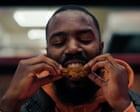
- Mo Gilligan hosts the Netflix documentary “Big Chicken: A Fast Food Conspiracy.”
- He follows a chicken-shop-only diet for 28 days, eating large amounts of fried chicken.
- Accounts describe him eating about 84 fried chicken meals during the period.
- The film explores animal welfare and discusses environmental impacts linked to chicken farming.
- Sources describe the documentary as mixing humor with investigation into the industrialized fast-food and ultra-processed food industry.
The British comic chows on fast food for a month while investigating the dark side of a booming industry.
1 hour agoThe ultra-likable comedian decides to go on a chicken shop diet for 28 days, but like a gen-Z Super Size Me uncovers some dark truths behind this billion-dollar industry‘I think you’re going to die,” says a teenager bluntly to comedian Mo Gilligan when he tells her about his plan to eat only from chicken shops for one month. Spoiler: he lives. But after 84 fried chicken meals, Gilligan is heavier, unhealthier and starting to feel depressed. In this funny, slick and accessible Netflix documentary he takes on “Big Chicken”, the industrialised poultry farming industry. Flavouring doc-journalism with his brand of ultra-likable humour, he’s gen Z’s answer to Michael Moore or Morgan Spurlock (who pulled a similar trick 20 years ago, eating nothing but McDonald’s for one month in his 2004 documentary Super Size Me).At the start of the film, there is no guilt in Gilligan’s pleasure walking into a chicken shop (“Bring on the wings!”). Growing up in a low-income household in London, a bucket of KFC was a family treat. He’s even done voiceover work for a Nando’s advert; “It’s just chickens, right?”. What works so well in the film is that Gilligan’s shock as he digs deeper into the industry doesn’t look manufactured for the camera. The UK rears one billion chickens a year and, in Lincolnshire, Gilligan meets animal welfare activists in balaclavas (“This is like Call of Duty. I’m scared!”). He learns about the environmental harm to rivers that chicken farming causes, and explores racist ideas around black people and fried chicken. Continue reading...
23 hours ago
Cambridge professor Jason Arday resigns after questions over background
Jason Arday resigns from the University of Cambridge, according to reporting that follows his appointment in 2023. Arday...

Monica Barbaro and Callum Turner Star in ‘One Night Only,’ Rom-Com With One-Day Sex Window
“One Night Only” is a romantic comedy set in New York City that uses a dystopian premise to shape its plot: premarital s...
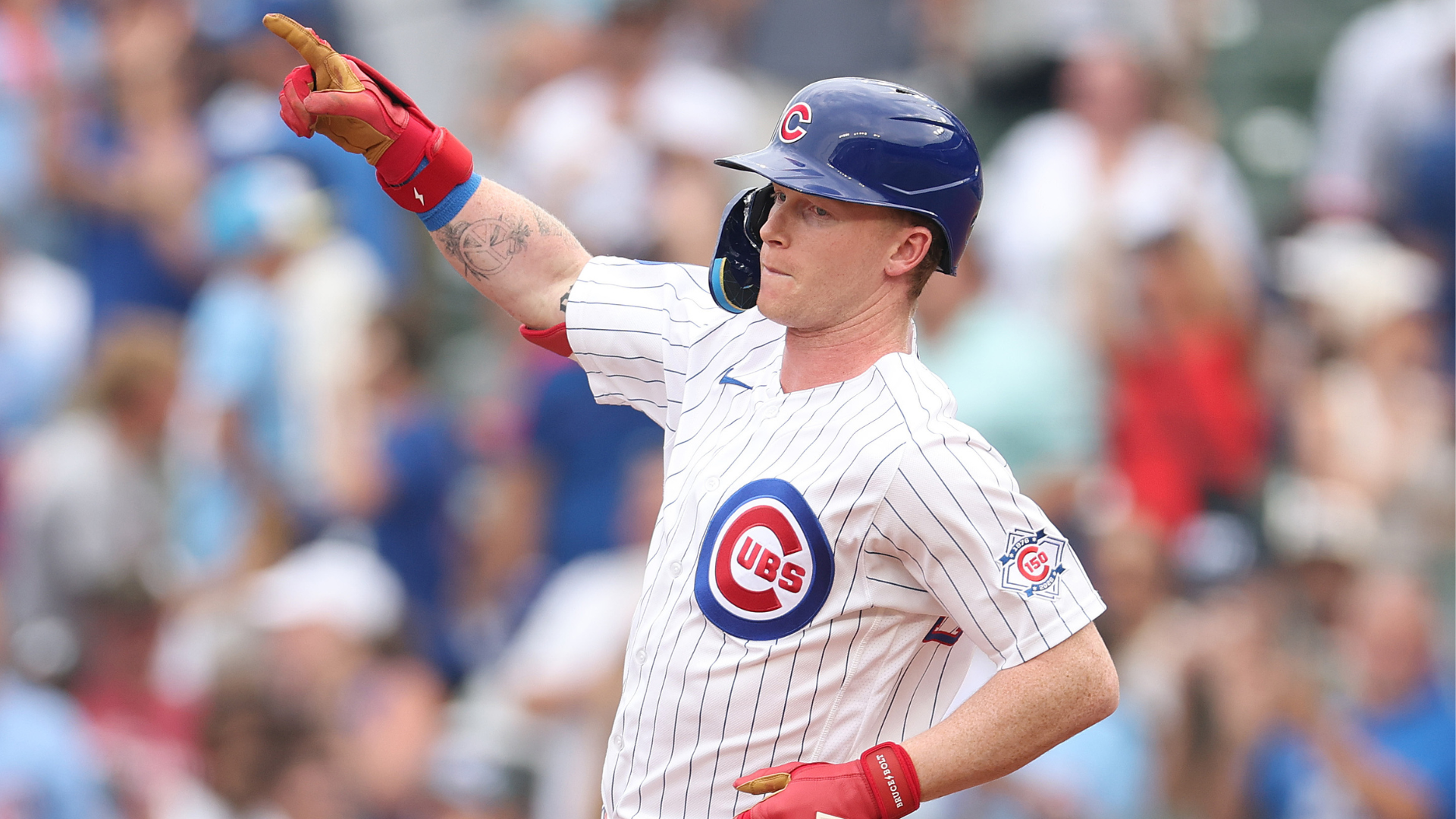
Cubs sweep Dodgers as Pete Crow-Armstrong and Shohei Ohtani each homer twice
The Chicago Cubs complete a sweep of the Los Angeles Dodgers in a game highlighted by homers from both sides. Pete Crow-...