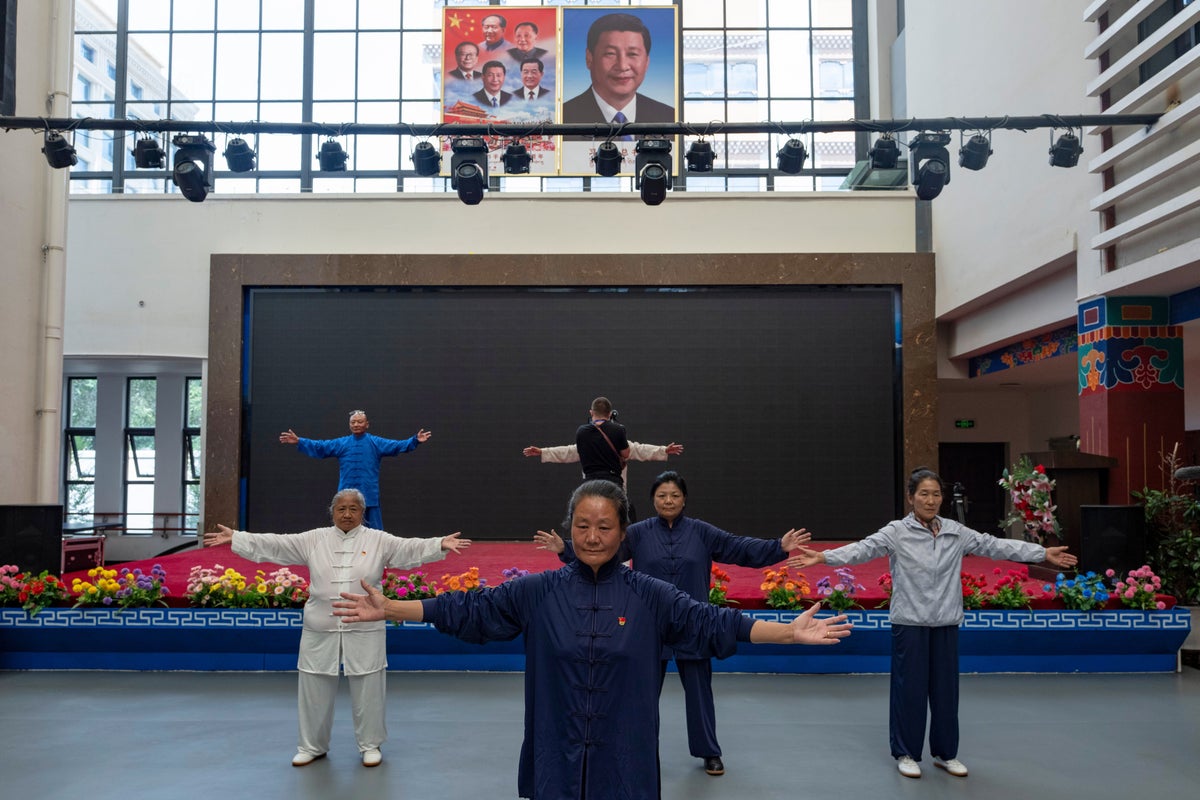
Reports from Winnipeg and The Independent describe how some residents in Tibet are increasingly embracing the Tibetan language, including learning to read and write, even as China promotes a new “ethnic unity” law. One account focuses on a 73-year-old retired nurse who says she has spoken Tibetan throughout her life but had not previously learned to write it. After the law’s introduction, she begins studying the language in writing, framing it as a personal effort to connect with her heritage.
The coverage highlights a broader pattern in which language use can vary by generation and setting, with many Tibetans relying on spoken Tibetan while formal literacy in the script has been limited for some. The reports do not describe a single uniform response across the region; instead, they present individual stories showing that some people choose to increase their proficiency despite the policy environment.
Together, the sources portray the law as part of wider state efforts affecting ethnic and cultural expression, while also showing that language learning and cultural practice continue to occur at the individual level.