


A total solar eclipse on August 12 is expected to provide scientists with an opportunity to study the Sun in greater detail, as the Moon blocks the solar disk. Multiple research teams plan to use the brief event to observe features of the Sun that are difficult to examine under normal daylight conditions. The focus of the observations includes the Sun’s magnetic field and its atmosphere, where solar activity can generate energetic phenomena. Researchers also aim to better understand the Sun’s “furious weather,” referring to dynamic solar processes that can vary over time. Such activity can affect near-Earth space and may lead to disruptions on Earth, making the eclipse observations relevant to both fundamental solar science and space-weather research. The eclipse timing triggers coordinated observing efforts, with instruments expected to capture data during totality and surrounding phases. Scientists say the event offers a rare window to collect targeted measurements that can help improve models of solar behavior. Outcomes from the campaign are expected to contribute to a clearer understanding of how solar magnetic activity drives changes in the Sun’s outer layers.
Total solar eclipse on Aug. 12 to enable new solar atmosphere research
A total solar eclipse on August 12 is expected to provide scientists with an opportunity to study the Sun in greater detail, as the Moon blocks the solar disk. Multiple research teams plan to use the...

- A total solar eclipse occurs on August 12 when the Moon blocks the Sun.
- Scientists plan observations during the eclipse to study the Sun in detail.
- Planned research focuses on the Sun’s magnetic field and its atmosphere.
- Researchers aim to study dynamic solar processes that can affect conditions on Earth.
- The eclipse campaign is coordinated to collect data during the brief period of totality.
When the Moon blots out the Sun on August 12, teams will leap into action studying its magnetic field, atmosphere
8 hours agoOn Aug 12, teams will leap into action studying its magnetic field, atmosphere and furious weather that sometimes causes disruptions back here on Earth.
14 hours ago
India and Meghalaya launch conservation plans to protect clouded leopards in Northeast India
India marks International Clouded Leopard Day by announcing conservation efforts aimed at protecting the clouded leopard...

Shanghai Jiao Tong University investigates death of 6-year-old in gene-editing trial
Shanghai Jiao Tong University School of Medicine says it is investigating the death of a six-year-old girl following an...
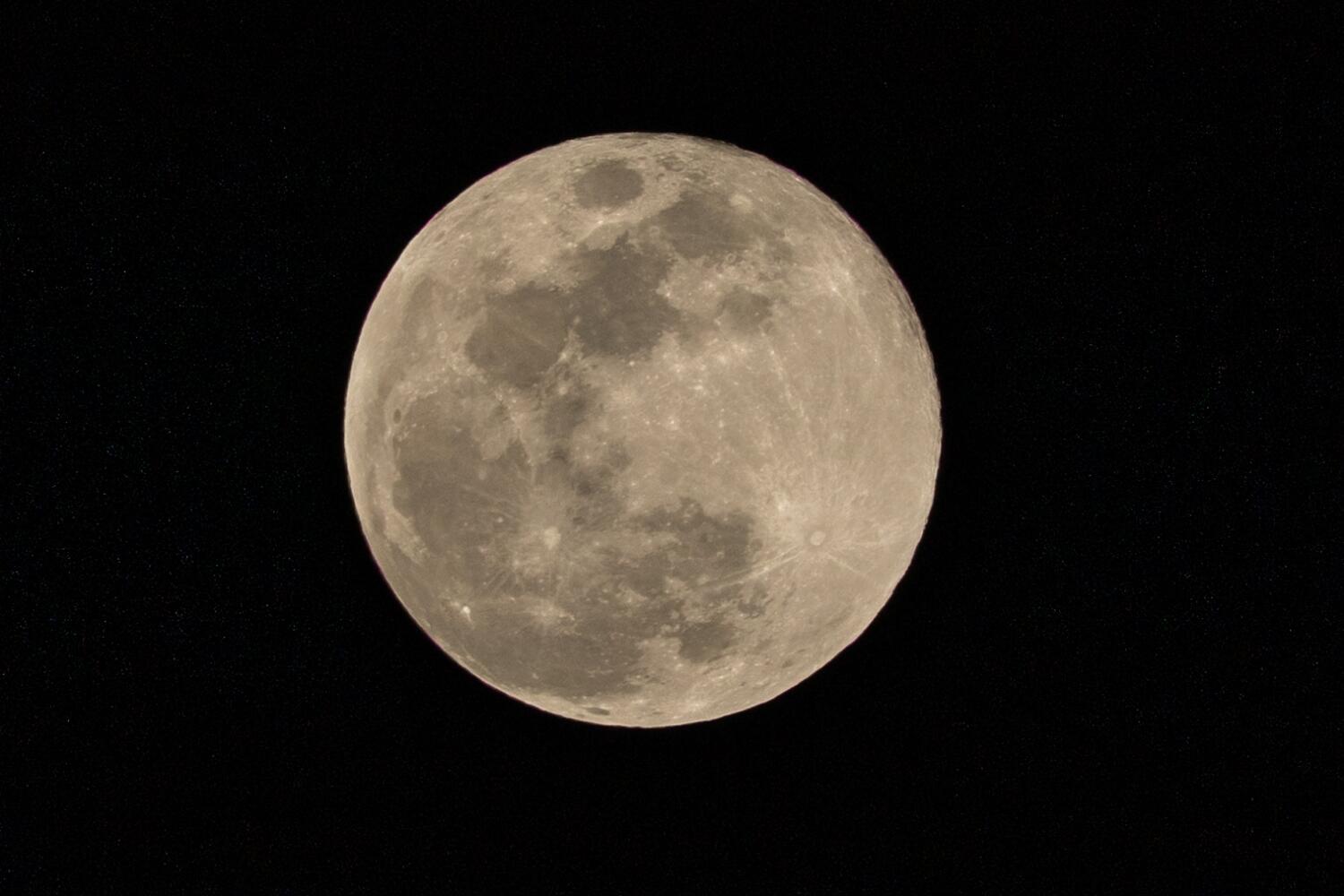
SpaceX rocket fragment appears to crash into the Moon, scientists plan tracking
Independent scientists say a SpaceX rocket fragment—described as roughly the size of a school bus—appears to crash into...