


India is set to introduce its first polymer (plastic) currency notes in the ₹10 and ₹₹20 denominations following field trials, Reserve Bank of India (RBI) Governor Sanjay Malhotra says. The government has authorised the RBI to print up to 2 billion polymer notes—1 billion notes each in ₹10 and ₹20—intended specifically for testing in circulation. Malhotra links the move to the faster wear of lower-denomination paper notes, which see higher circulation and therefore need more frequent replacement. He says the RBI is evaluating how polymer notes perform during the trials before deciding on wider issuance. Sources also note that the RBI does not plan to replace paper currency entirely. Existing cotton-based paper banknotes are expected to remain in circulation, and polymer notes would initially be introduced only in selected denominations. The proposal follows earlier discussions that did not progress and has gained momentum after the government approved the trial order, with RBI-related steps including procurement for polymer substrates used to manufacture the test notes. The rollout timeline depends on the outcome of the field trials and the RBI’s subsequent assessment.
RBI plans India’s first polymer notes in ₹10 and ₹20 after field trials
India is set to introduce its first polymer (plastic) currency notes in the ₹10 and ₹₹20 denominations following field trials, Reserve Bank of India (RBI) Governor Sanjay Malhotra says. The government...
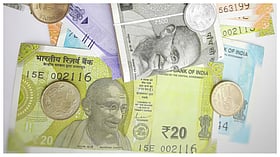
- The RBI plans to introduce polymer (plastic) banknotes in India in the ₹10 and ₹20 denominations.
- Government authorisation covers printing up to 2 billion polymer notes: 1 billion each for ₹10 and ₹20 for field trials.
- The rollout depends on completing field trials and evaluating their performance before regular issuance.
- The RBI does not plan a full replacement of paper currency; cotton-based paper notes will remain in circulation.
- RBI officials say polymer notes are expected to be more durable, addressing the faster wear of frequently used lower-denomination paper notes.
India could see the introduction of plastic-based polymer currency notes from the beginning of the next financial year if ongoing field trials are completed successfully, Reserve Bank of India Governor Sanjay Malhotra said on Wednesday.Speaking after the Monetary Policy Committee (MPC) meeting, Malhotra said the RBI is aiming to bring polymer banknotes into circulation as per schedule after evaluating their performance during trials. The central bank has proposed introducing polymer notes in ₹10 and ₹20 denominations, following approval from the government.The move revives an earlier proposal that was first discussed more than a decade ago but did not move ahead. The RBI believes polymer notes can improve currency durability, especially for lower denominations that experience frequent usage in daily transactions.Explaining the need for the change, Malhotra said ₹10 and ₹20 notes have a higher circulation velocity compared with larger denominations, causing them to wear out faster. RBI Plans To Introduce Polymer Currency Notes As Cash Circulation Tops ₹42 Trillion Despite Digital Payments Growth Polymer notes, made from a durable plastic substrate, are expected to last significantly longer than conventional paper-based currency.Last month, the government approved the RBI’s proposal to introduce one billion polymer notes each in ₹10 and ₹20 denominations for field testing. If the trials produce satisfactory results, the central bank may proceed with regular issuance.The initiative gained momentum after Bharatiya Reserve Bank Note Mudran Private Limited (BRBNMPL), an RBI subsidiary responsible for currency printing, issued a tender for polymer substrates required for manufacturing the trial notes. The RBI has clarified that the proposal does not involve replacing all existing paper currency with polymer notes. Existing cotton-based paper notes will continue to remain in circulation, and polymer currency will initially be introduced only in selected denominations.The RBI believes the technology is particularly suitable for low-value denominations such as ₹10 and ₹20, which are frequently used by consumers and require more frequent replacement under the existing currency system.
2 hours agoThe government has authorised the Reserve Bank of India to print up to 2 billion polymer (plastic) notes - 1 billion each in the Rs 10 and Rs 20 denominations for field trials. At present, there is no proposal to replace paper currency entirely.
3 hours ago
South Africa hires advisers for creditor talks on Eskom transmission spin-off plan
South Africa is preparing to begin negotiations with lenders over a plan to spin off Eskom Holdings’ transmission subsid...
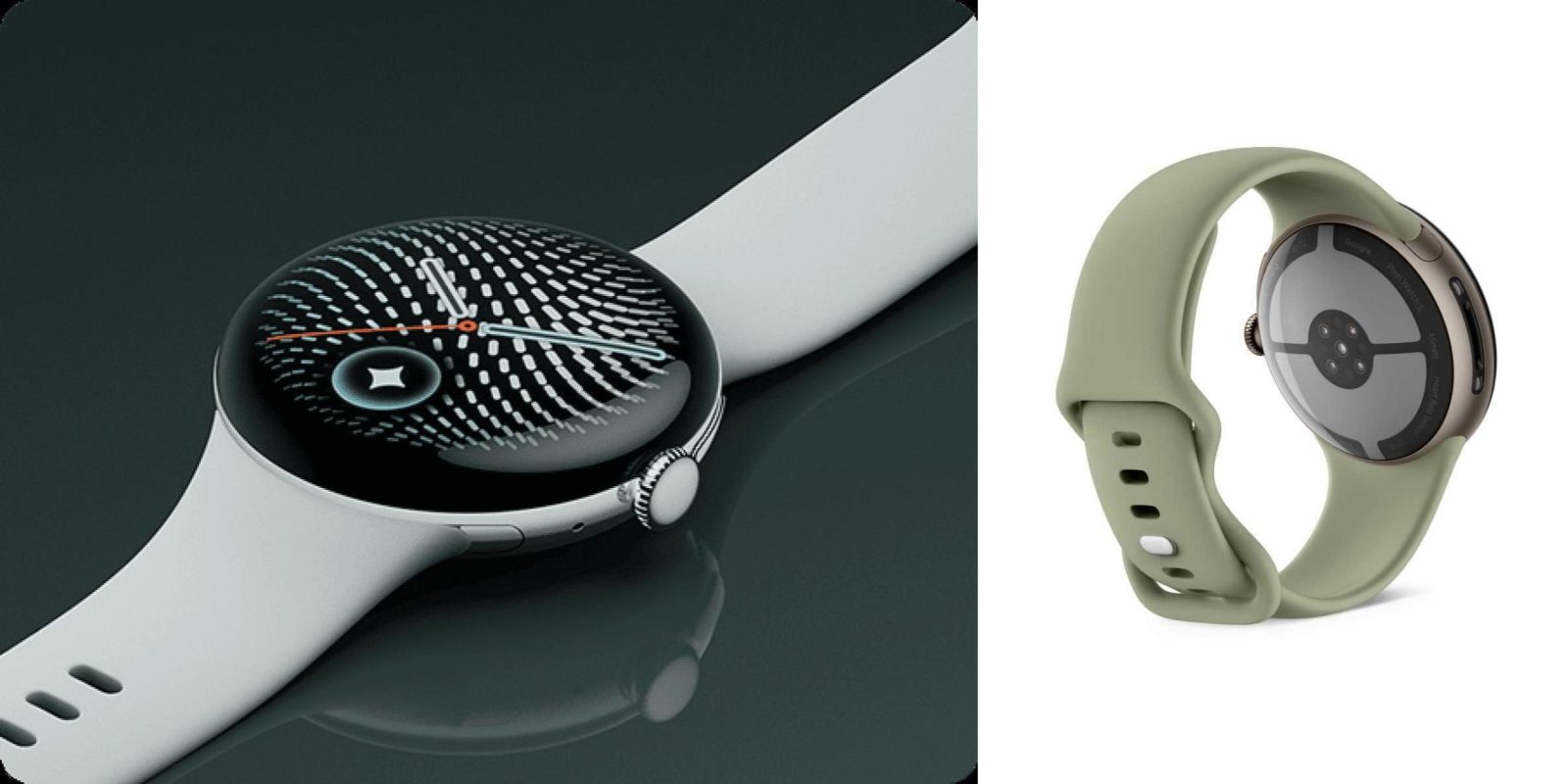
Pixel Watch 5 price and color options leak ahead of August 12 launch
Multiple reports ahead of Google’s expected August 12 “Made by Google” event say the Pixel Watch 5 will debut with highe...

China targets U.S. firms and drone exports after U.S. regulatory and Xinjiang actions
China announces measures targeting U.S. firms and restricting certain drone-related exports after U.S. moves involving t...