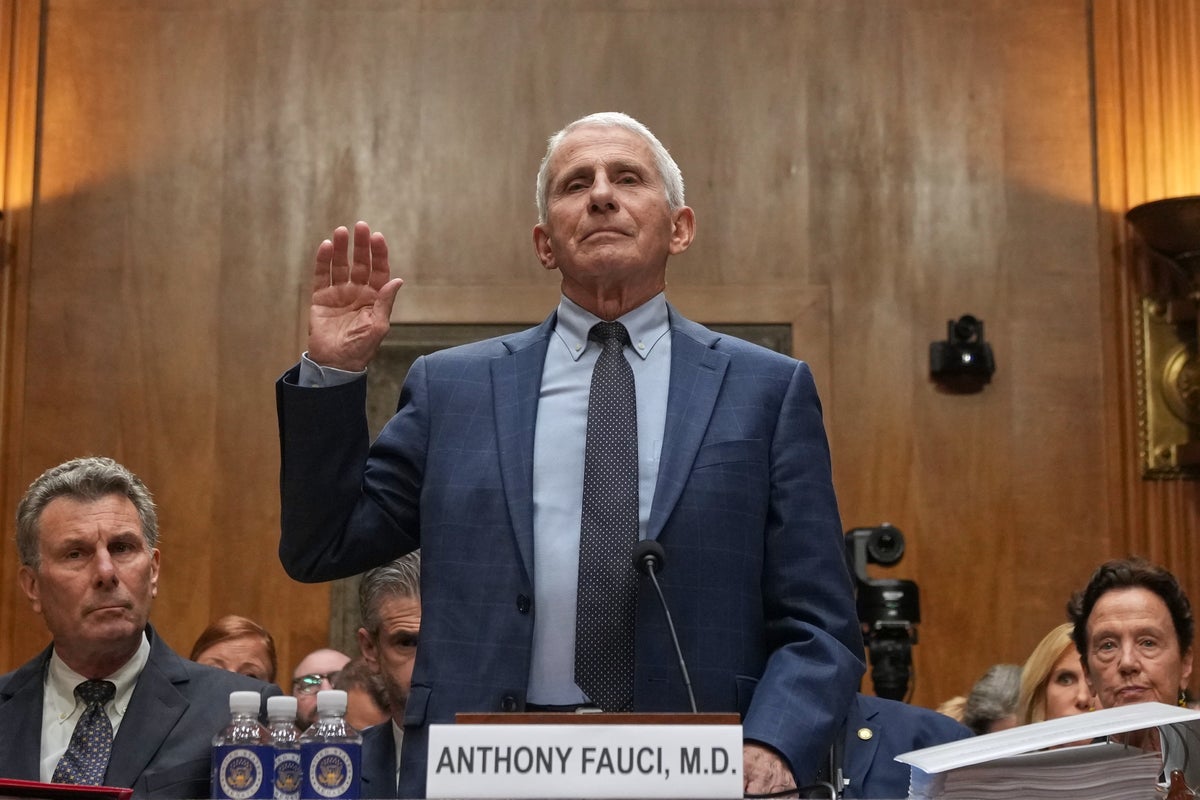
Dr. Anthony Fauci invokes the Fifth Amendment when questioned during a U.S. congressional hearing, setting up a legal dispute and the possibility of a contempt vote. Multiple outlets report that the decision will be tested in the coming week as lawmakers consider whether Fauci’s refusal to answer is constitutionally valid. The articles note that a contempt finding could have consequences beyond the hearing itself, including whether lawmakers may pursue additional scrutiny or related actions.
Legal experts cited across the reports say the decision to invoke the Fifth Amendment is not uncommon in situations where testimony could create legal exposure. They point to potential risks such as the possibility of future state prosecutions and the need to avoid self-incrimination. Some commentary also highlights that questions raised by the Trump administration about the validity or effect of President Joe Biden’s pardons could contribute to the legal context Fauci is weighing.
Overall, the sources agree that the key issue is whether Fauci can lawfully refuse to answer specific questions under the Fifth Amendment, and that Congress is likely to respond procedurally through consideration of contempt.