


Multiple reports describe economist commentary supporting Federal Reserve nominee Kevin Warsh’s approach to limit or remove policy guidance offered to markets. The articles say Warsh’s proposal is aimed at preventing markets from over-relying on forward-looking statements from the central bank, rather than on incoming economic data and actual policy decisions. The economist cited in the coverage argues there are three main reasons Warsh is correct to “nix” or scale back Fed guidance, though the reports keep the specific reasoning broad. The commentary also identifies a potential action Warsh could take to help calm markets, suggesting that while reducing guidance may create uncertainty in the short term, clear communication tied to observable policy intentions could mitigate volatility. Across the sources, the common theme is that Warsh would change how the Fed communicates about future policy, shifting emphasis away from signaling and toward outcomes. The reports do not describe a final decision by the Fed, but they frame the comments as an argument for why altering guidance could better support the central bank’s policy credibility.
Economist backs Kevin Warsh’s move to reduce Fed policy guidance
Multiple reports describe economist commentary supporting Federal Reserve nominee Kevin Warsh’s approach to limit or remove policy guidance offered to markets. The articles say Warsh’s proposal is aim...
- Kevin Warsh is discussed as steering the Federal Reserve away from providing market policy guidance.
- An economist cited in the coverage supports reducing or removing Fed guidance.
- The coverage attributes three reasons for the economist’s view, though details are not fully specified in the excerpts.
- The articles suggest Warsh could take at least one step to help calm markets despite reduced guidance.
- The reports present the discussion as commentary and do not describe a confirmed Fed policy change.
Kevin Warsh is steering the Fed away from providing the market with policy guidance. A top economist says it's the right move.
5 hours ago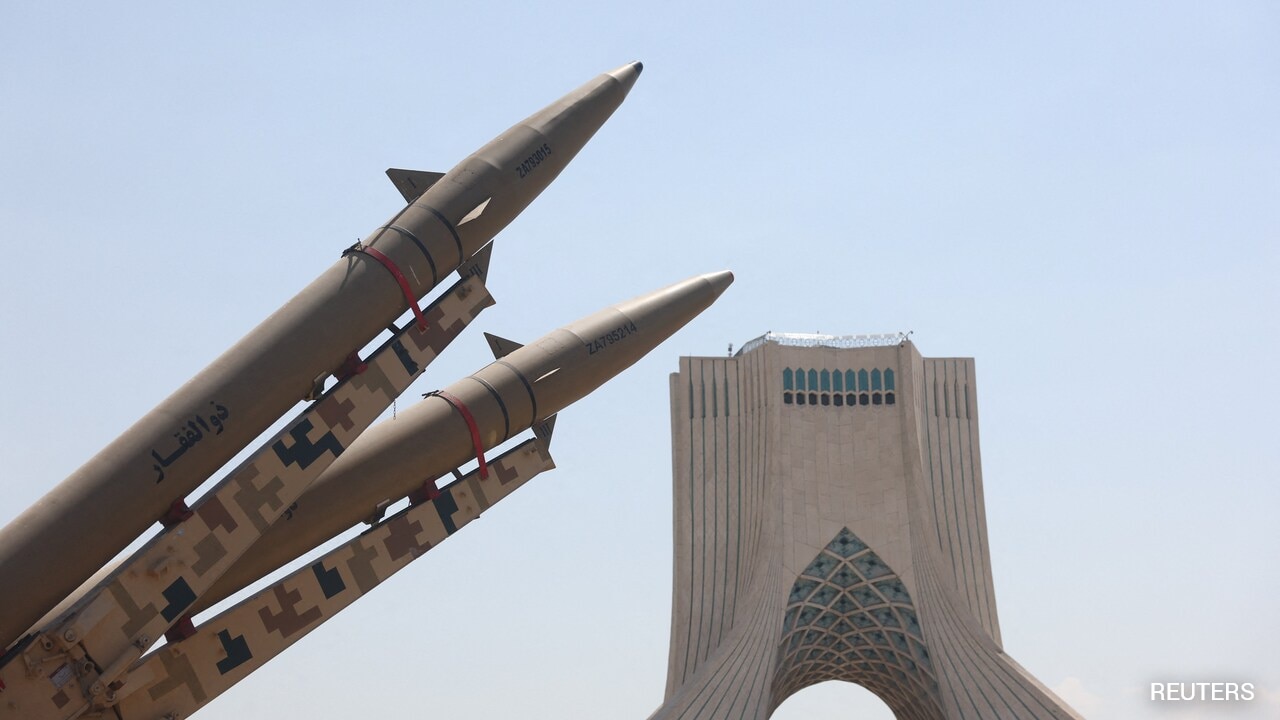
Iran warns Gulf states it will retaliate against regional energy infrastructure if U.S. strikes
Iran warns Gulf states that any new U.S. military attack on Iranian territory would trigger retaliation targeting critic...

Poll Finds Most Americans Say War With Iran Not Worth Fighting
New polling finds broad public opposition to continued U.S. involvement in the conflict involving Iran. An Associated Pr...
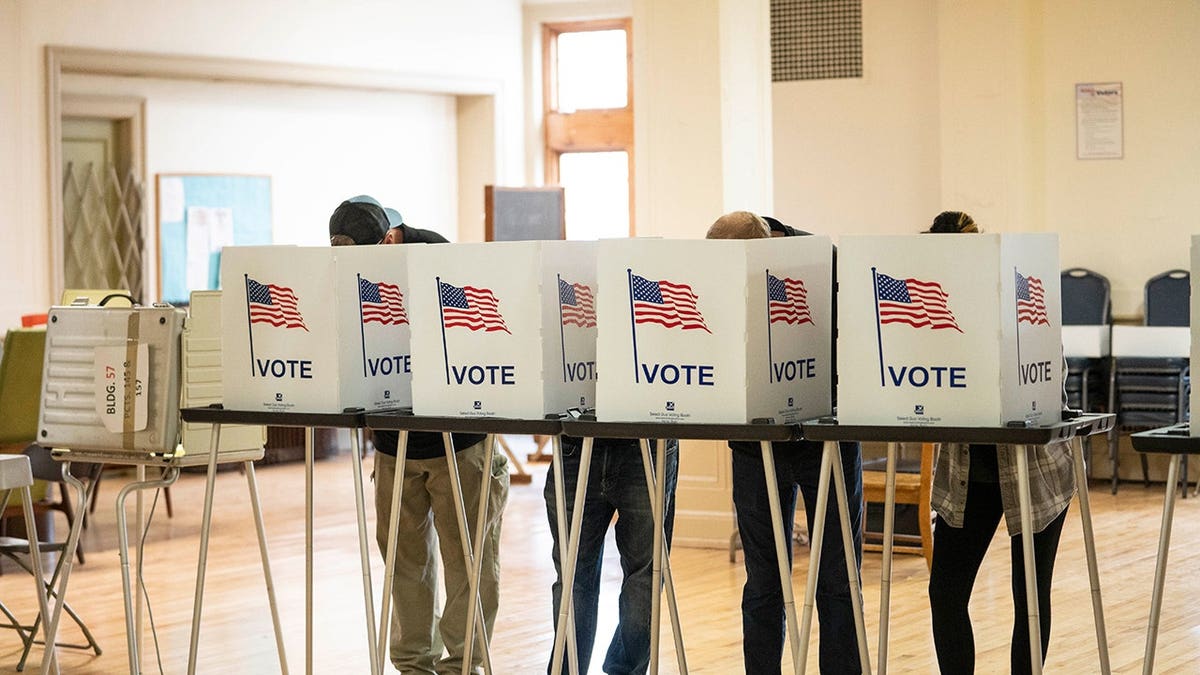
Abdul El-Sayed narrowly defeats Haley Stevens in Michigan Democratic Senate primary
Progressive candidate Abdul El-Sayed narrowly defeats moderate U.S. Rep. Haley Stevens in Michigan’s Democratic Senate p...