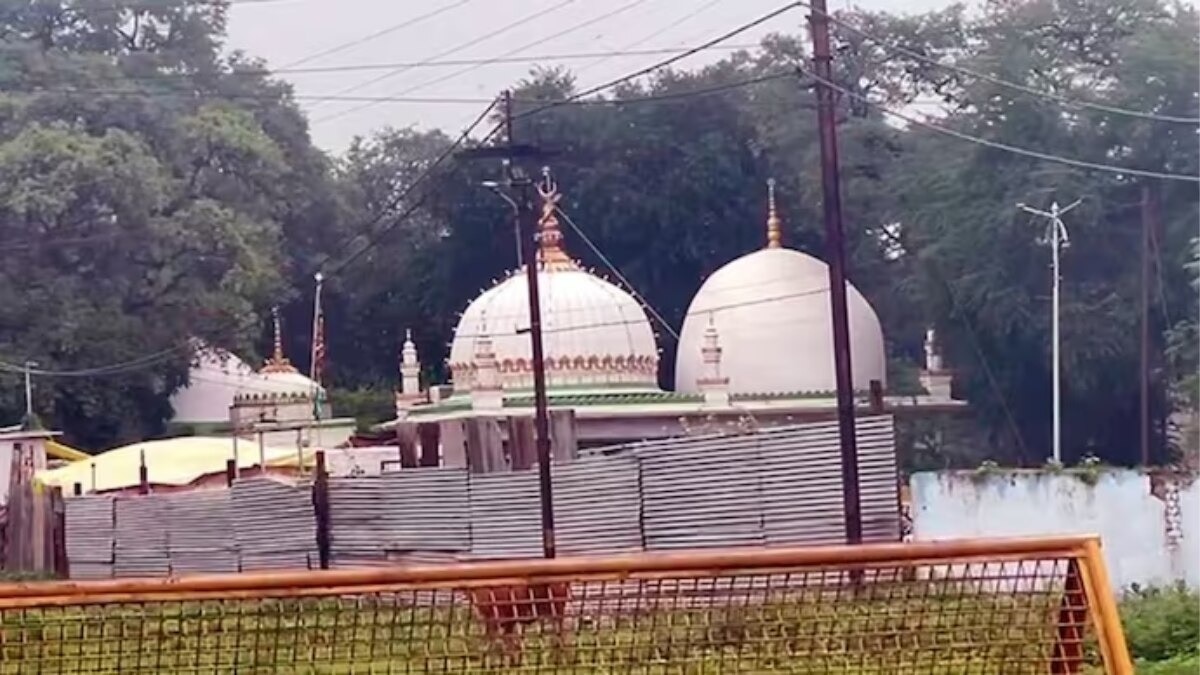
The Madhya Pradesh High Court in Dhar rules that the disputed Bhojshala-Kamal Maula complex is a temple dedicated to Goddess Saraswati. Multiple outlets report that the court bases its decision on an Archaeological Survey of India (ASI) survey and also quashes an earlier 2003 ASI order. Coverage notes that the complex contains elements associated with both Hindu and Muslim worship, including a mosque linked to a medieval-era Sufi saint, according to some reports.
Following the verdict, Hindu petitioners file fresh applications seeking broader access for devotees, additional excavation, and the opening of a locked room. They also demand removal of what they describe as “unauthorised Islamic symbols,” arguing that the ruling requires unrestricted access to the site.
Muslim representatives and petitioners challenge the findings, alleging that the survey and court outcome were predetermined. Some reporting also highlights renewed constitutional and political debate over how the legal status of places of worship is determined and how earlier administrative arrangements are treated.
The case remains contested, with appeals and further legal steps expected as both sides continue to dispute the site’s history and the implications of the court’s order.