


The article describes how a woman living with Parkinson’s disease slowly loses abilities, leaving family members to fear the illness will take her away in ways they can’t prevent. As the disease affects her day to day life, the family searches for ways to keep her connected to familiar routines and conversations. They turn to poker, a card game that has personal meaning for them. By playing together, the woman can briefly re-engage with memory, conversation, and shared enjoyment, providing moments of recognition amid the gradual decline. The piece focuses on the emotional impact on the family as they watch her condition worsen, and on how a simple, familiar activity can create a sense of continuity even when other parts of her life are changing. Across outlets, the story centers on the same theme: Parkinson’s alters a person’s capacities over time, but participation in a well-known game helps restore connection and bring short periods of closeness. The report does not change the central account, portraying poker as a bridge during a difficult medical journey.
Family plays poker as Parkinson’s disease progresses
The article describes how a woman living with Parkinson’s disease slowly loses abilities, leaving family members to fear the illness will take her away in ways they can’t prevent. As the disease affec...
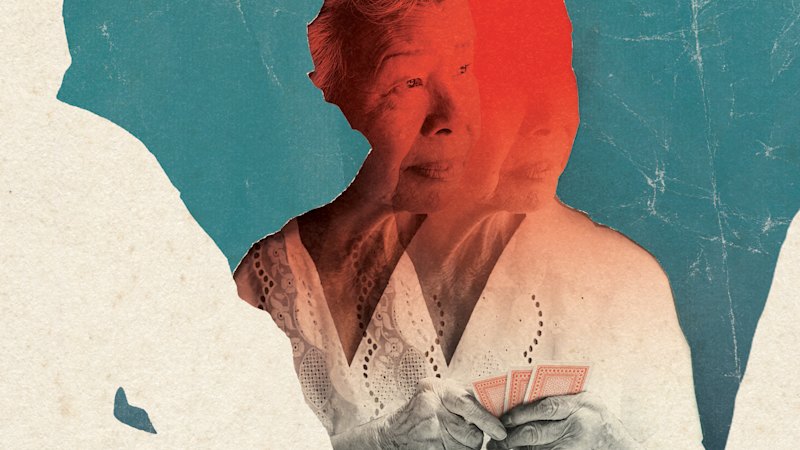
- A woman has Parkinson’s disease and her abilities decline over time.
- Family members fear the illness will take her away.
- The family begins playing poker together during the progression of the disease.
- Playing poker creates brief moments of connection and familiarity for the woman.
- The story emphasizes the emotional impact on the family and the role of a shared, familiar activity.
Even as disease strips a woman piece by piece, a deeply familiar card game brings her briefly back.
1 hour agoEven as disease strips a woman piece by piece, a deeply familiar card game brings her briefly back.
1 hour agoEven as disease strips a woman piece by piece, a deeply familiar card game brings her briefly back.
1 hour ago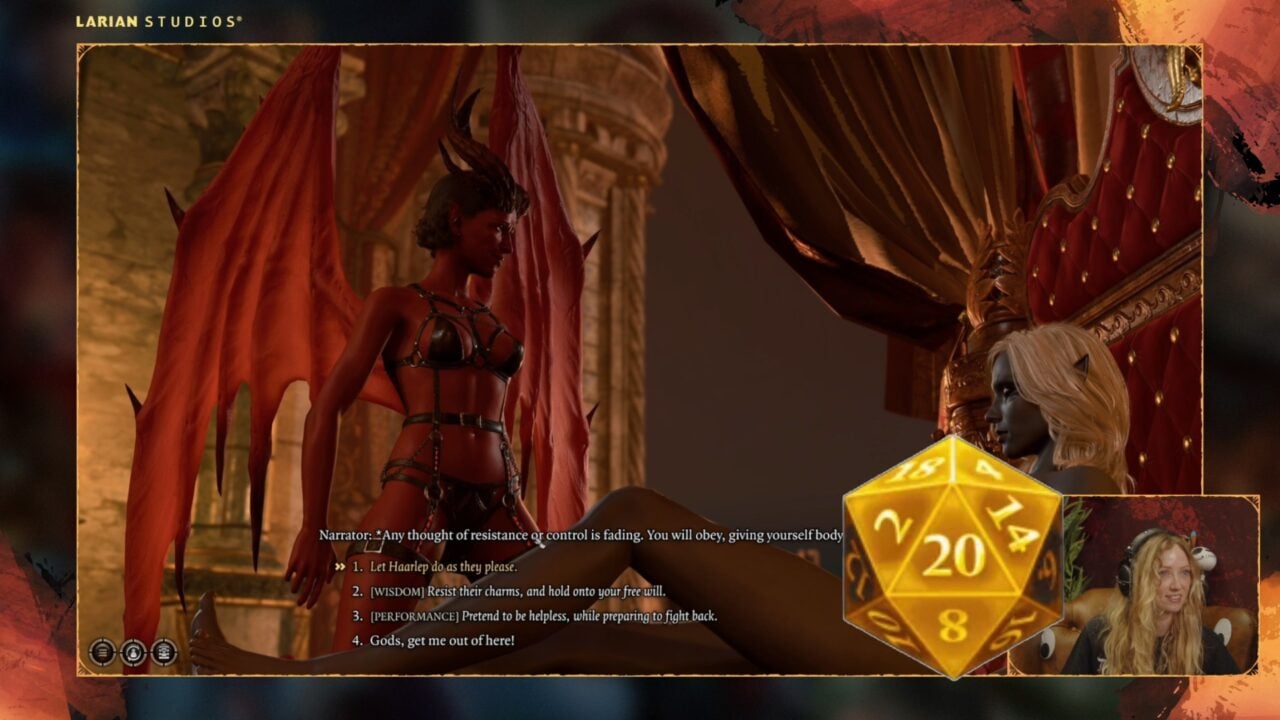
YouTube and TikTok shut down Larian’s Baldur’s Gate 3 livestream for sex content
Larian Studios’ official “Baldur’s Gate 3” livestream is disrupted after platforms remove the broadcast due to sex-relat...

Scott Drinkwater kicks 40/20 in Cowboys clash with Titans
Scott Drinkwater plays a key role in the North Queensland Cowboys’ clash with the Brisbane Titans by kicking a 40/20 ear...

Nirmal Purja among 10 missing after avalanche on Pakistan climbing expedition
An avalanche in northern Pakistan leaves ten climbers missing, including renowned Nepali mountaineer Nirmal Purja. The A...