


Scientists train an artificial intelligence system on existing DNA data libraries and then use it to generate “recipes” for viral genomes, according to multiple reports. The researchers feed the AI large collections of genomic sequences and related information, then prompt it to propose new viral genome designs. The study finds that a subset of the generated genomes are viable—meaning they can produce functional viruses—rather than being merely theoretical designs. Across the accounts, sixteen of the AI-generated viral genomes are described as viable, resulting in new viruses. The reports also emphasize that the viruses correspond to genetic forms not found in nature, implying the model is able to generate genome sequences that do not match known naturally occurring viruses in the researchers’ reference datasets. The outlets describe the work as lab-based creation of viruses using AI-generated genome designs, rather than naturally isolated pathogens. While the sources agree on the overall experimental approach and the number of viable genomes reported, they provide limited additional methodological detail in the excerpts provided.
AI model designs viable viral genomes not previously found in nature
Scientists train an artificial intelligence system on existing DNA data libraries and then use it to generate “recipes” for viral genomes, according to multiple reports. The researchers feed the AI la...
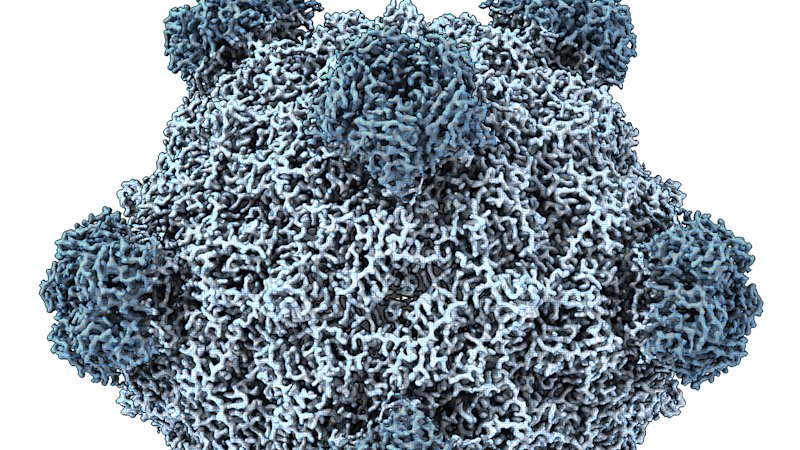
- Researchers train an AI system on DNA or viral genome sequence libraries.
- The AI is used to generate proposed viral genome “recipes” or designs.
- Some AI-generated viral genomes are experimentally viable in the lab.
- Sixteen AI-designed genomes are reported as viable, producing new viruses.
- The resulting viruses are described as not previously found in nature.
Scientists trained artificial intelligence on libraries of DNA and then asked the model to create recipes for viral genomes. Sixteen of them were viable, yielding new viruses.
1 hour agoScientists trained artificial intelligence on libraries of DNA and then asked the model to create recipes for viral genomes. Sixteen of them were viable, yielding new viruses.
1 hour agoScientists trained artificial intelligence on libraries of DNA and then asked the model to create recipes for viral genomes. Sixteen of them were viable, yielding new viruses.
6 hours ago
Blue Origin traces New Glenn explosion to valve in BE-4 engine
Blue Origin says it has identified the cause of the New Glenn rocket’s explosion during a static-fire test in May, linki...

Venezuela earthquake death toll rises to 6,125, officials report
Venezuela’s death toll from twin earthquakes in late June continues to rise, with multiple outlets citing updated figure...

SRT develops eBoost Air electric compressor system to reduce turbo lag
Stellantis’ Street and Racing Technology (SRT) division is developing a prototype powertrain add-on called “eBoost Air,”...