


Three outlets publish a similar explainer about how certain CAPTCHA challenges can function as machine-training tools. The articles focus on common CAPTCHA formats that ask users to complete image-based tasks, including selecting or identifying traffic lights. They describe these interactions as a form of “reverse centaur” activity, in which people effectively provide labels or corrections for machine-learning systems, rather than machines simply verifying humans. In this framing, the human user acts as part of the training loop: by making choices in the CAPTCHA, the system collects information about what the user perceives in the images. The outlets present this as an explanation for why such tasks work and what they can achieve beyond access control. While each publication uses the same example and core idea, all sources align on the central point that completing these CAPTCHAs contributes data that can help computers learn to recognize objects—specifically traffic lights—in future automated tasks.
Articles explain how CAPTCHA “reverse centaur” tasks train computers to recognize traffic lights
Three outlets publish a similar explainer about how certain CAPTCHA challenges can function as machine-training tools. The articles focus on common CAPTCHA formats that ask users to complete image-bas...
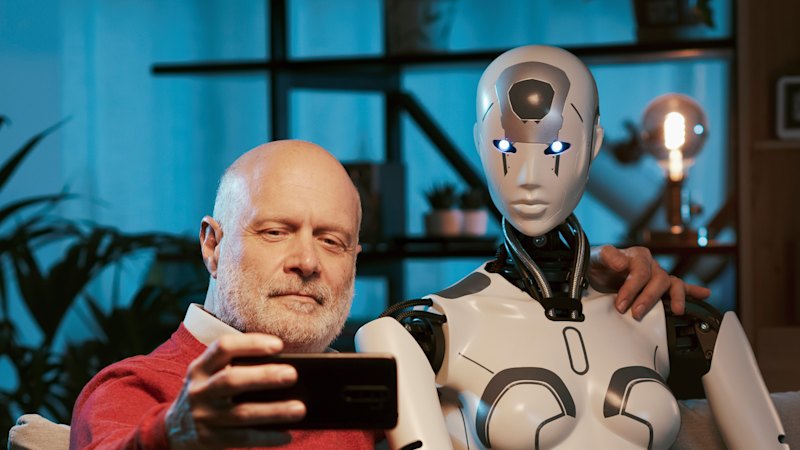
- The articles describe image-based CAPTCHAs where users select or identify traffic lights.
- They explain these tasks as helping train machine-recognition systems using human input.
- The concept is presented as a “reverse centaur,” where humans support model learning rather than only proving humanity.
- All sources focus on the same core example: traffic-light CAPTCHAs.
- The central claim is that user interactions can generate labeling data for future recognition.
Those CAPTCHA tasks where you select the traffic lights? Well, that’s you training a machine to recognise traffic lights.
4 hours agoThose CAPTCHA tasks where you select the traffic lights? Well, that’s you training a machine to recognise traffic lights.
4 hours agoThose CAPTCHA tasks where you select the traffic lights? Well, that’s you training a machine to recognise traffic lights.
4 hours ago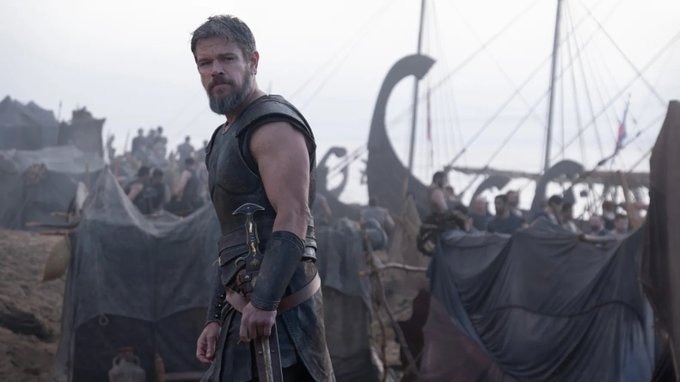
Christopher Nolan’s The Odyssey earns early praise for epic scale and filmmaking craft
Early reviews for Christopher Nolan’s “The Odyssey” largely describe the film as a large-scale adaptation of Homer’s epi...
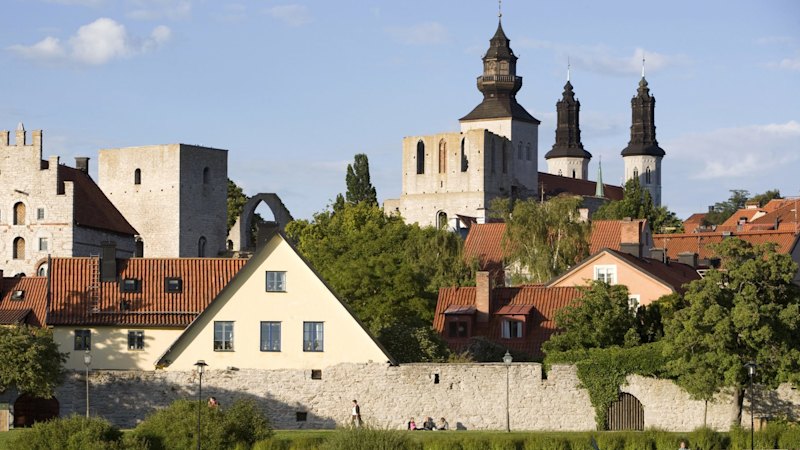
Port guide highlights Visby, Sweden’s medieval town character and visitor appeal
Several outlets publish a “port guide” for Visby, Sweden, describing the town as one of northern Europe’s best-preserved...
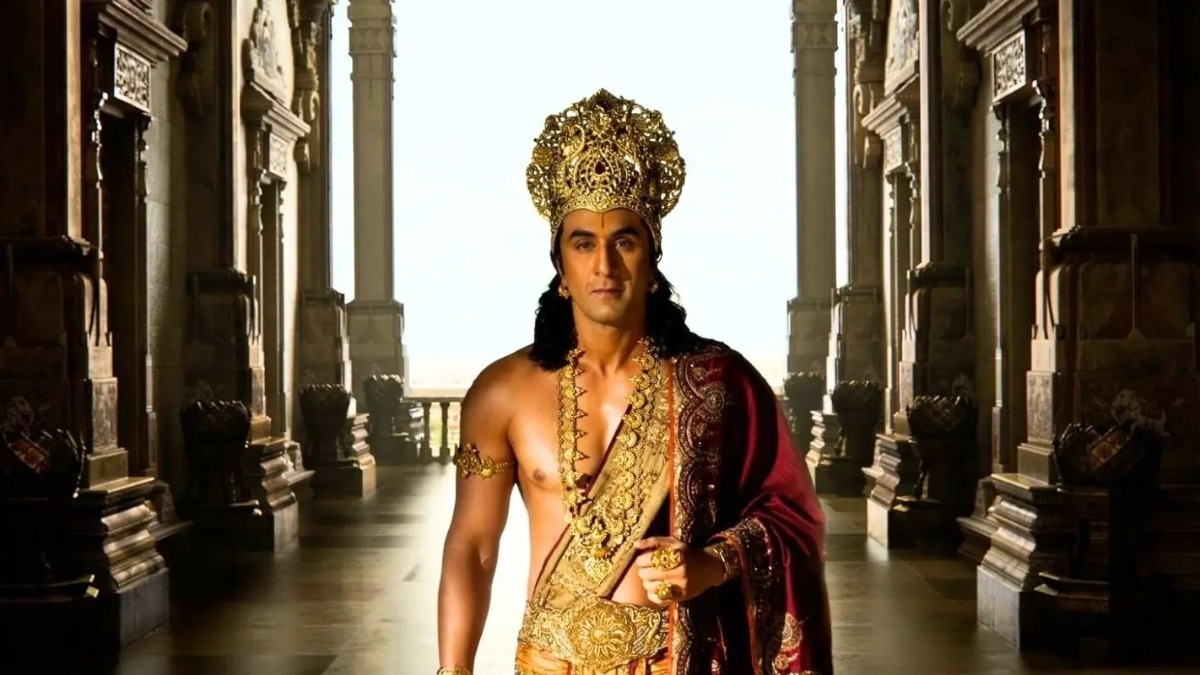
Ramayana trailer draws global buzz as two-part film planned for Diwali 2026
Nitesh Tiwari’s mythological epic “Ramayana,” starring Ranbir Kapoor as Lord Ram and Yash as Ravana, continues to build...