


The article shared by multiple outlets presents a personal account of a shopping mistake at Bunnings. The writer says they have already spent $150 on an item they do not need, describing how the store’s retail environment can encourage impulse buying. The piece focuses on how the writer recognized the problem and took steps to avoid spending even more money. According to the account, the writer’s decision-making process changes after noticing the unnecessary purchase, and they use practical methods to stop themselves from buying additional items that would increase the total beyond what they planned to spend. While the headline and text are framed as “lessons” learned from being “sucked in,” the reporting does not describe broader company policies or external events. Instead, it emphasizes the writer’s experience and self-correction during the shopping trip, presenting the $150 figure as the starting point that prompted the change in behaviour. Overall, the outlets publish the same story and message: an individual overbuys, reflects, and then prevents further unnecessary spending.
Writer says Bunnings shopping trip led to $150 unnecessary purchase
The article shared by multiple outlets presents a personal account of a shopping mistake at Bunnings. The writer says they have already spent $150 on an item they do not need, describing how the store...

- The story is a personal account about shopping at Bunnings.
- The writer says they already spent $150 on an item they do not need.
- The writer describes getting drawn into unnecessary spending.
- The article explains how the writer stops themselves from spending double.
- The outlets present the same message across their publications.
I’ve already spent $150 on something I don’t need. Here’s how I stopped myself from spending double.
2 hours agoI’ve already spent $150 on something I don’t need. Here’s how I stopped myself from spending double.
2 hours agoI’ve already spent $150 on something I don’t need. Here’s how I stopped myself from spending double.
2 hours ago
Houthi attack on Saudi Arabia wounds 11 civilians as kingdom warns of further threats
Saudi Arabia says a Houthi attack on southern Saudi Arabia wounds 11 civilians on Thursday. A Saudi military official sa...
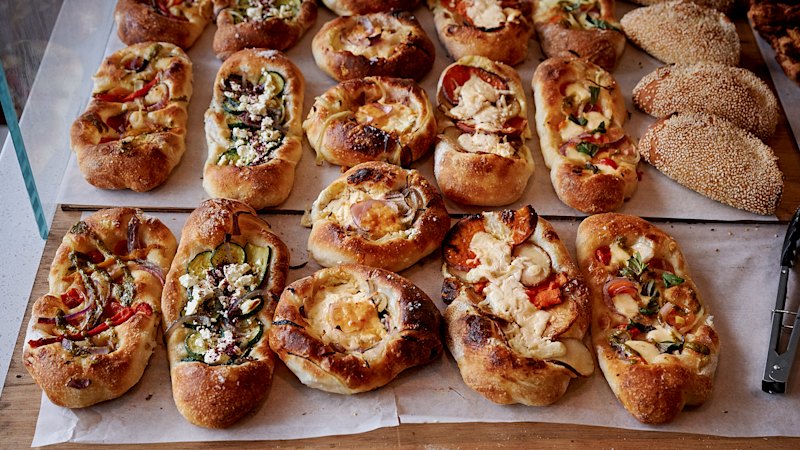
Little Sister Bakery blends Jewish and Middle Eastern baking traditions
Multiple outlets describe Little Sister Bakery as a business that combines Jewish and Middle Eastern culinary traditions...

Houthis kill dozens of Yemeni government troops in missile and drone attacks
Missile and drone attacks by Yemen’s Iran-backed Houthis kill dozens of Saudi-backed government forces on Thursday, in o...