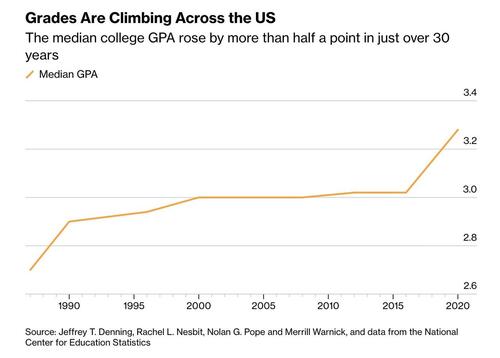
Harvard faculty begin voting Tuesday on a proposal aimed at curbing grade inflation, following years of rising top grades and renewed pressure for higher-education reforms. Multiple reports say the plan would limit the share of undergraduate A grades to no more than 20% of students, plus four additional students, with a possible implementation date in fall 2027 if approved. Supporters cite a large increase in A grades at Harvard: about 60% of grades were A’s in the 2024–25 academic year, down from a peak period after a previous push for stricter grading, when the share fell to about 53%. The proposal also seeks to restore the definition of an A as “extraordinary distinction,” and additional measures are under consideration, including course opt-outs via satisfactory/unsatisfactory grading and changes to academic honors that would replace GPA with percentile rank.
Student and some faculty responses are mixed. Students largely oppose the cap, with reporting that most surveyed undergraduates oppose it, arguing it could increase stress and discourage taking challenging classes. Some faculty warn the policy could reduce opportunities for ambitious students and affect Harvard’s attractiveness to top applicants. Reports also note that similar efforts at other elite schools faced backlash or reversal, including examples at Princeton and Wellesley, and mention that Yale has considered even stricter options.