


Researchers in Bengaluru report that chemical compounds present in big-cat scent can provide information about an animal’s age, sex and breeding-related condition, and may help improve monitoring tools for wild populations. According to the report, the study focuses on analyzing scents to identify biological signals rather than relying only on visual identification or invasive methods. The researchers say their findings can support the development of a new tracking approach that uses scent chemistry to infer key attributes of individual animals. This could make it easier for wildlife teams to understand population structure, including the distribution of males and females, age classes, and reproductive status, which are important for conservation planning. The work is presented as a step toward more effective, field-usable monitoring of big cats, where non-invasive data collection is often crucial. The outlet frames the research as showing how scent-based indicators can “reveal secrets” about health and breeding, with the ultimate goal of building a tracking tool grounded in these biological cues.
Bengaluru researchers study big-cat scent to estimate age, sex and breeding
Researchers in Bengaluru report that chemical compounds present in big-cat scent can provide information about an animal’s age, sex and breeding-related condition, and may help improve monitoring tool...
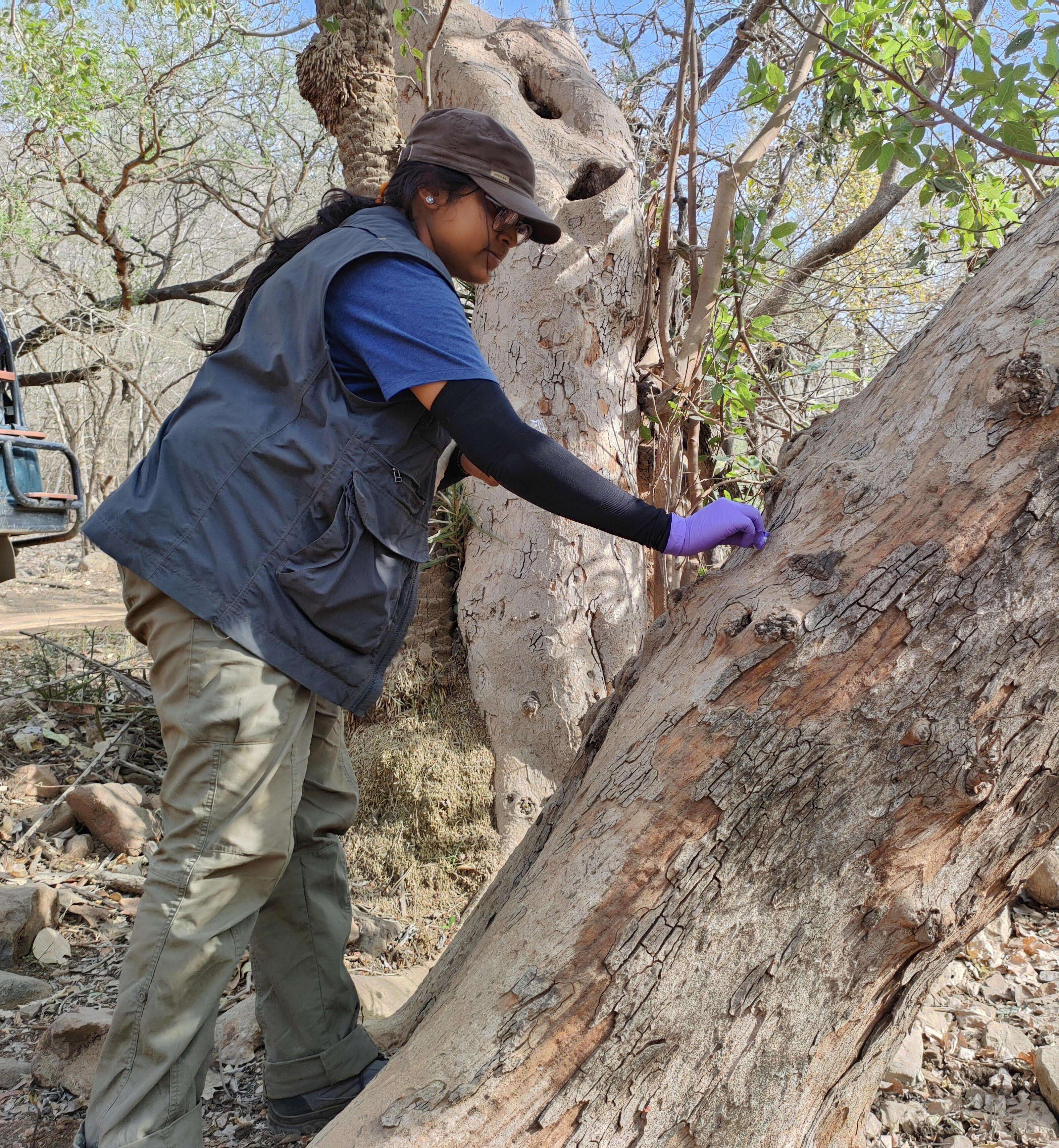
- Bengaluru researchers study big-cat scent to extract biological information.
- The reported scent signals can indicate age and sex.
- The findings relate scent to breeding-related or reproductive condition.
- Researchers say scent analysis can support development of a new big-cat tracking tool.
- The approach is described as non-invasive monitoring based on chemical cues.
Big cat scents reveal secrets of age, sex & breeding, help researchers build new tracking tool
3 hours ago
Elon Musk’s net worth falls below $1 trillion as SpaceX shares drop after IPO
Elon Musk’s net worth falls back below the $1 trillion mark as SpaceX shares retreat after a strong IPO-related surge. M...

Fortnite Chapter 7 Season 4 confirms Sprite return with new powers and collection access
Epic Games confirms that Fortnite Sprites will remain available through at least the end of Chapter 7. Multiple outlets...

Researchers confirm tornado touchdown in Repentigny, Quebec on Aug. 2
Researchers confirm that a storm that damaged trees and buildings in Repentigny, north of Montreal, on Sunday, Aug. 2, w...