


Military identification tags, commonly known as “dog tags,” become a lasting connection between service members and the families who receive news of their deaths. Multiple accounts trace the tags’ origin to the early 1900s, when an Army chaplain is described as raising concerns about how fallen soldiers were identified and communicated to loved ones. The tags are portrayed as standard issue for U.S. troops after that request, serving as official identifiers that can be used to confirm a service member’s identity. Other descriptions emphasize the emotional meaning attached to the tags once a soldier dies, with family members often holding or keeping them as tangible evidence of the person who is gone. The articles also note that the tags matter beyond identification: they function as a bridge between military communities and bereaved families, helping people connect names on records to real individuals. Taken together, the reporting frames dog tags as both a practical tool for identification and an enduring keepsake that reinforces family and military ties after a death in service.
How U.S. dog tags evolved into a link between troops, families, and the fallen
Military identification tags, commonly known as “dog tags,” become a lasting connection between service members and the families who receive news of their deaths. Multiple accounts trace the tags’ ori...
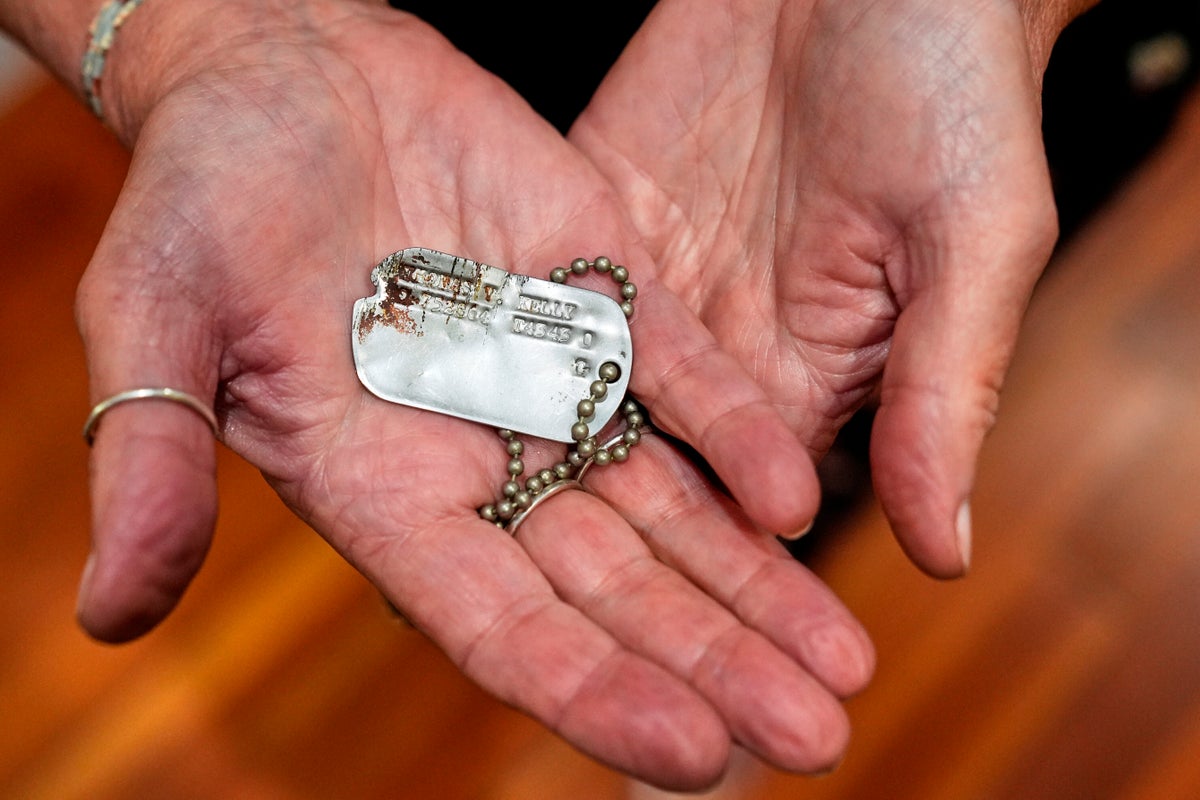
- U.S. military identification tags (“dog tags”) become standard issue in the early 20th century.
- An Army chaplain is cited as raising concerns about identifying fallen soldiers.
- Dog tags function as official identifiers for service members.
- Family members keep or hold the tags after a death, treating them as a tangible link to the loved one.
- The tags are described as helping connect military families to troops and the fallen.
Family members often clench them as if they were still clasping their fallen loved one's hands. Companions-in-arms have broken down reading them.
3 months agoMilitary identification tags — popularly known as dog tags — became standard issue for U.S. troops at the request of an Army chaplain concerned about identifying fallen soldiers at the beginning of the 20th century
3 months ago
Idaho judge grants Bryan Kohberger new hearing to withdraw guilty plea
Bryan Kohberger, who pleaded guilty last year to the murders of four University of Idaho students, has been granted a ne...

Julián Álvarez says he wants to leave Atlético Madrid amid Barcelona links
Julián Álvarez tells Atlético Madrid he wants to leave in the summer transfer window to “fulfil” his dream. Multiple rep...

Sacha Baron Cohen seen chatting in Notting Hill after Ali G trailer release
Sacha Baron Cohen is seen outside a bar in London’s Notting Hill chatting with a woman following the release of a new Al...