


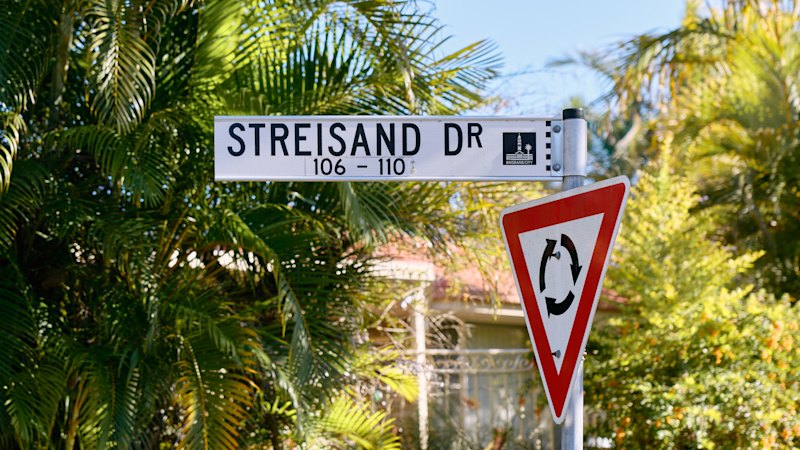
Residents in a leafy suburb describe it as a “public transport black spot,” saying local access to trains and other services is limited. The articles present the neighbourhood as being far from major transport corridors, with day-to-day travel posing challenges for some residents.
Alongside concerns about connectivity, the outlets highlight a contrasting detail: the suburb’s streets have playful or “fun” names, which residents link to an earlier, more glamorous reputation. The sources agree on the central framing—limited public transport and a distinct, characterful street-naming theme—while differing only in how they set the scene or emphasize the neighbourhood’s character.
Together, the reports combine complaints about service availability with a cultural aside about the suburb’s naming heritage, offering a neighbourhood-level perspective rather than a broader policy assessment. No single outlet presents new data about transport performance or service changes in the provided material; the focus stays on residents’ lived experience and local colour.


